

Reviewed · PAMUKKALE & HIERAPOLIS TOURS
Antalya: Pamukkale Hot Springs & Hierapolis Small Group Tour
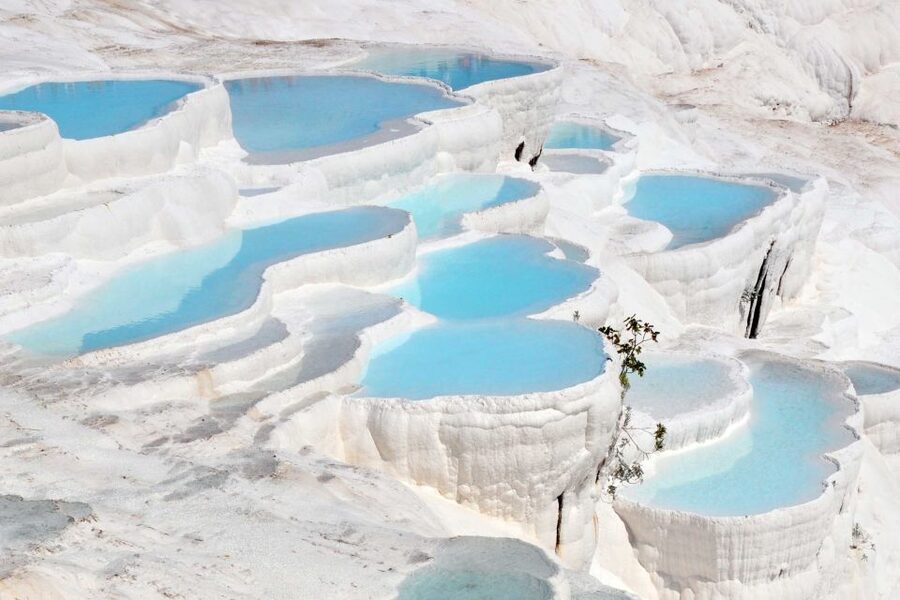
Pamukkale looks like a snowy fortress poured across the hillside, but its white terraces are made by warm mineral water, not ice. This full-day trip from Antalya pairs that natural wonder with Hierapolis, an ancient spa city spread across the ridge above it.
I like the combination of scenery and archaeology, and I like that you get a proper guided walk rather than a quick photo stop. The buffet lunch and hotel pickup also add real value at $50, though the €30 entrance fee is extra, and the long road journey makes this a serious day out.
In This Review
- Key points before you book
- Why Pamukkale is worth a day from Antalya
- The Antalya pickup and the long road south
- Walking the white travertines at Pamukkale
- Hierapolis, the ancient spa city above the springs
- The Necropolis and Gate of Domitian
- Apollo’s Temple and the city’s sacred side
- The theater, museum, and the rewards of slowing down
- Cleopatra’s Antique Pool: check the current situation
- Lunch, shopping, and what the $50 price really covers
- The guide can shape the whole day
- Who should book this Antalya day trip?
- Should you book the Pamukkale and Hierapolis tour?
- FAQ
- How long is the tour from Antalya?
- How far is Pamukkale from Antalya?
- Is hotel pickup included?
- Is lunch included?
- Are drinks included with lunch?
- How much is the entrance fee?
- Can I swim in Cleopatra’s Antique Pool?
- What should I bring?
- Is the tour conducted in English?
Key points before you book
- The drive takes about three hours each way: You spend much of the 12-hour day on the road, but the route opens the door to one of Turkey’s most unusual sights.
- Pamukkale means cotton castle: Walk across the bright calcium terraces and see warm water flowing through shallow pools.
- Hierapolis adds substance: The ancient theater, Roman streets, Necropolis, city gates, and Apollo’s Temple give the visit more depth than scenery alone.
- Cleopatra’s Antique Pool is currently closed: Renovation means you cannot swim there at present, despite older tour descriptions mentioning it.
- Lunch is included: Expect a buffet with several choices, though drinks cost extra and vegetarian selection may be more limited.
- The entrance fee changes the true price: Add €30 per person for Pamukkale and Hierapolis, plus any optional swimming charge when facilities reopen.
Why Pamukkale is worth a day from Antalya
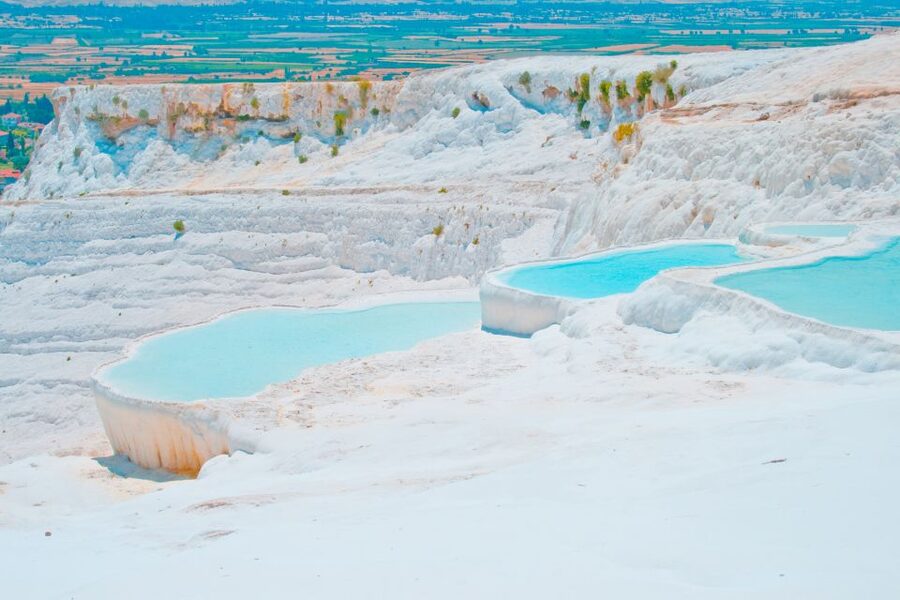
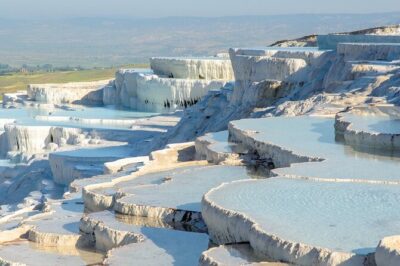
Antalya is a fine base for the Mediterranean coast, but Pamukkale belongs on a different kind of Turkey itinerary. Here, the main attraction is not a beach or a medieval fortress. It is a hillside coated in white travertine, formed over thousands of years as mineral-heavy spring water cooled and hardened.
The result is striking from a distance. The terraces seem to spill down the slope like frozen waterfalls. Up close, the surface is uneven, bright, and surprisingly tactile. Warm water gathers in shallow basins, although the amount of water in each section can vary with weather and site conditions.
The name Pamukkale translates as cotton castle, a good description of its soft, chalky appearance. The springs have also made this a bathing center for centuries. There are 17 hot springs in the wider area, with temperatures ranging from about 30 to 100 degrees Celsius. The pools you can access are not all the same, and some may be closed or dry depending on conditions.
You will hear traditional claims that the water can help with ailments including rheumatism, skin problems, circulation, digestion, and breathing. Treat those as local belief rather than medical advice. The real pleasure is simpler: warm water, unusual rock formations, and the feeling of standing in a place shaped by nature and people together.
More Pamukkale & Hierapolis Tours in Antalya
- Pamukkale Hierapolis and Cleopatra’s Pool Tour with lunch from Antalya
★ 5.0 · 2,188 reviews - From Antalya/Kemer: Pamukkale and Hierapolis Tour with Lunch
★ 4.6 · 1,853 reviews - From Antalya/Kemer: Pamukkale & Hierapolis Day Trip w/Meals
★ 4.7 · 1,387 reviews
The Antalya pickup and the long road south
Pickup is available from hotels in Antalya, including the Konyaaltı area. The tour lasts about 12 hours, and a typical day can begin around 6:30 AM and return to Antalya around 6 PM. Exact departure times depend on availability and pickup arrangements.
The distance is about 230 to 235 kilometers. In practical terms, you should plan on roughly three hours in the vehicle each way. That is the main cost of making Pamukkale a day trip rather than an overnight stop.
The upside is that you do not need to arrange a separate transfer, find a bus connection, or worry about returning to Antalya. The driver handles the long route, while the English-speaking guide fills the day with explanations about the sites and Turkish culture. Guides named Mery, Baran, Fatima, Melissa, Sunay, Gamzee, and Simiat have led recent departures, although your guide will depend on the date.
Wear comfortable shoes and bring water, sunglasses, a sun hat, swimwear, a towel, and a camera. Even if you do not plan to swim, the sun can be strong on the exposed white terraces. The walking areas are broad, but you will spend time on uneven ground and moving between several parts of the ancient city.
Walking the white travertines at Pamukkale
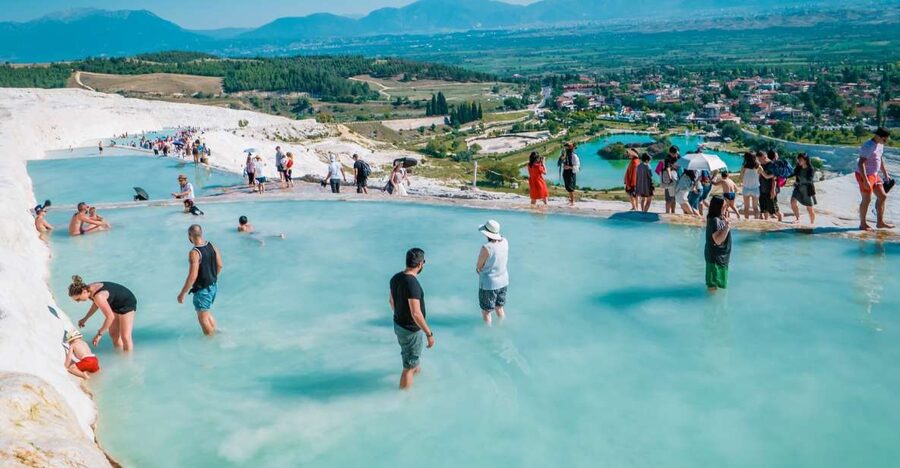
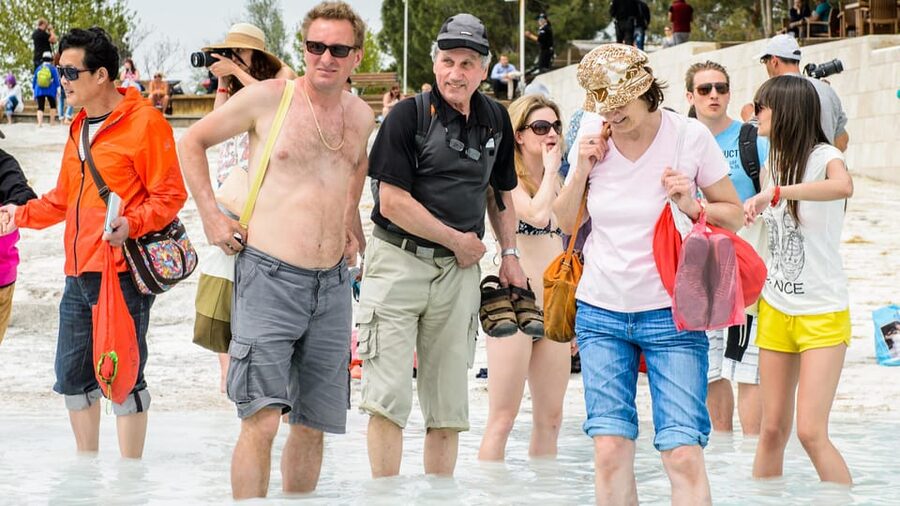
The travertines are the visual centerpiece. You walk along the white slope, stopping for photographs and looking across the shallow pools. The bright surface reflects the sun strongly, so sunglasses are not just a fashion accessory here.
You do not simply wander anywhere you please. Pamukkale is a protected UNESCO World Heritage site, and access is managed to help preserve the formations. Follow your guide and site instructions, especially around the water channels and delicate edges.
The terraces are best understood from more than one angle. From below, they look like a white cascade. From the upper sections, you can look across the mineral pools toward the plain and see why the site has drawn people for so long.
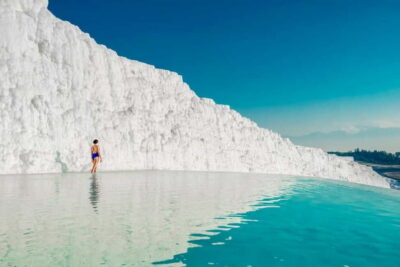
The water is warm, but do not assume every pool is open for bathing. The tour information notes several smaller thermal pools, with access affected by weather and current conditions. A foot bath may be possible in permitted areas, but the available water can change.
This is also where sensible expectations matter. Pamukkale is not a private spa. It is a major archaeological site visited by large numbers of people, and the white terraces can feel busy at popular times. The scenery is still remarkable, but you should not expect a quiet mountain retreat.
Hierapolis, the ancient spa city above the springs
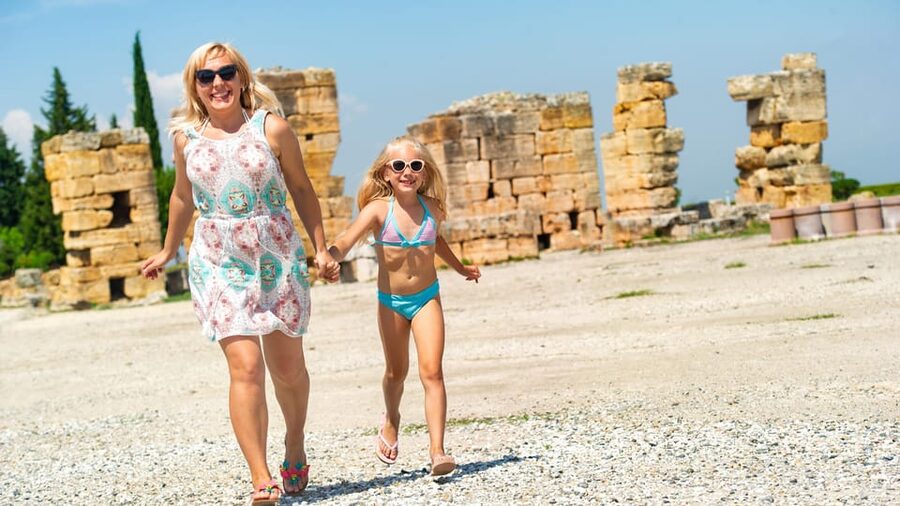
Hierapolis gives the day its historical weight. The city was built beside the springs in the 2nd century BC by the king of Pergamon, then became part of the Roman province of Asia after Attalus III handed his kingdom to Rome.
The name means Holy City. Its location was no accident. Ancient people came for the thermal waters, and the city grew around the business and ritual life of a spa center. The ruins spread across a large area, so the visit involves real walking rather than a single compact monument.
Your guide helps connect the stones to the city that once occupied the ridge. Main streets, public buildings, baths, and religious sites appear in different sections. Some areas are open and exposed, while others are enclosed or partly restored.
The city’s history also includes a change in name. Hierapolis was linked to bronze coin minting in the 2nd century BC, with the earlier form Hieropolis later becoming Hierapolis. Details like this are small, but they help turn a collection of ruins into a place with an economic and political past.
Same city, a completely different kind of day:
- Antalya: Ziplining, Rafting, Jeep Tour & Quad Safari w/Lunch
★ 4.6 · 3,260 reviews - Antalya/Kemer: Old City, Waterfalls, Olympos Cable Car, Boat
★ 4.5 · 2,896 reviews - Suluada Boat Tour From Antalya (Maldives of Turkey) with Lunch & Hotel Transfer
★ 4.5 · 2,300 reviews - Antalya Luxury Old Town Tour with Cable Car & Boat Trip
★ 4.5 · 1,880 reviews
The Necropolis and Gate of Domitian
The Gate of Domitian marks one of the clearest entrances into the Roman city. It is a useful point for understanding the scale of Hierapolis, since the road beyond it leads toward the Necropolis.
The Necropolis is one of the most memorable parts of the site. Tombs line the route outside the city, reflecting the importance of Hierapolis as a place where people came for treatment, worship, and eventually burial.
You will see different types of funerary structures, spread across a long area. The sheer number of tombs makes the ancient population feel more real than a single isolated monument would. It also shows that the city was more than a resort for the living.
This section can be hot and exposed. Bring your hat and water, and listen carefully when the guide gathers the group. The wide ruins make it easy to walk ahead or fall behind.
Apollo’s Temple and the city’s sacred side
The Temple of Apollo brings a religious dimension to the visit. Hierapolis was not only a spa town. It was also a sacred center, and the temple area shows how healing, worship, and the natural springs were closely linked.
The Apollo complex is connected with the ancient beliefs surrounding the hot waters and underground gases. The site includes the Plutonium, a place associated with the underworld in ancient tradition. You do not need to accept the old religious explanations to appreciate the setting. The area shows how people tried to make sense of powerful natural forces.
Your guide is especially useful here because the remains can be hard to interpret on your own. A row of stones may look ordinary until you understand its purpose, date, or link to the city’s rituals.
The theater, museum, and the rewards of slowing down
The theater is one of Hierapolis’ most impressive structures. Its seating and decorative details give you a clear sense of the city’s public life. It is also one of the places where you will want time for photographs, since the structure rises above the surrounding ruins.
The museum presents artifacts from Hierapolis and nearby ancient sites, including Attuda, Tripolis, Laodicea, and Colossae. Its displays include three enclosed sections of the Hierapolis Bath, as well as open areas in the eastern part of the bath complex that are thought to have served as a gymnasium and library.
Museum access and the amount of time available can depend on the day’s schedule. The main outdoor ruins are the priority, but if the museum is open during your visit, it adds useful context to the broken columns and walls outside.
The tour allows a substantial period at Pamukkale and Hierapolis. One departure gave the group about three hours in the park, which is enough to see the principal sights if you keep moving. If you want an unrushed walk, extensive photographs, and a swim, you may feel pressed for time. Since Cleopatra’s Pool is currently closed, that particular time pressure is reduced for now.
Cleopatra’s Antique Pool: check the current situation
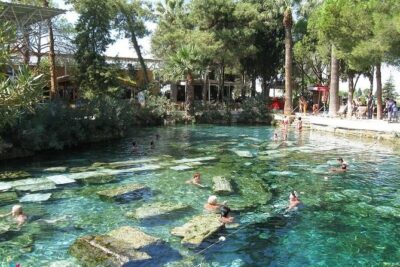
Cleopatra’s Antique Pool is built over ancient columns and ruins, creating the unusual chance to swim among submerged remains. Despite its famous name, the pool was not owned by Cleopatra of Egypt. It is an artificial pool created above columns that fell during an earthquake.
Older visits included swimming, and the covered pool area could remain warm even in cold weather. When open, the pool normally carries a separate swimming charge, while access to the wider archaeological site requires the €30 entrance fee.
At present, Cleopatra’s Pool is temporarily closed for renovation. You cannot enter the pool area or swim there now. This is the most important current change to the experience, so do not book this day trip expecting a Cleopatra swim.
You can still see Pamukkale’s terraces and the ruins of Hierapolis, which are the main reasons to make the journey. Bring swimwear only if you want to be prepared for other permitted thermal bathing options, and check the latest status before departure.
Lunch, shopping, and what the $50 price really covers

Lunch is included and is served buffet-style. The meal has received especially strong approval for its range, cleanliness, and taste, with vegetarian food available. If you follow a vegetarian diet, tell the guide early and check the available choices rather than assuming the buffet will suit every preference.
Drinks are not included. Carrying water is wise, especially during the outdoor walking sections. Buying drinks at stops can add to the day’s cost.
At $50 per person, the tour looks inexpensive for hotel pickup, return transport, a guide, and lunch. The entrance fee changes the calculation: add €30 per person for Pamukkale and Hierapolis. If Cleopatra’s Pool reopens, swimming may cost another €15 or so based on past pricing, though you should confirm the current charge.
The final shopping stop in Denizli Province may include local products and gives the group a break before the return journey. Some people enjoy browsing; others see it as time taken from the archaeological site. It is part of the standard day, so keep that in mind if you prefer a purely ruins-and-springs visit.
The guide can shape the whole day
A good guide matters on a long excursion. The best guides on this route keep explanations clear, add Turkish cultural details, and avoid talking so long that you lose your free time. Sunay, Baran, Mery, Melissa, Fatima, and Gamzee are among the guides praised by name on recent departures.
You should expect a bilingual tour guide with live commentary in English. The information covers the ancient city, the springs, and wider Turkish culture. One particularly useful part of the guiding style is the effort to keep the group together while still allowing time to explore and take photographs.
Transport quality has generally been a strength, but punctuality can vary. One pickup ran 18 minutes late without an update, and a separate complaint involved poor follow-up after an item was left on the bus. Keep valuables with you, note the vehicle details, and check your seat before getting off.
Who should book this Antalya day trip?
I would choose this tour if you are staying in Antalya and have only one day for Pamukkale. It removes the hardest planning problem, the long-distance transport, and gives you a guide who can explain why the springs and ruins belong together.
It suits first-time visitors, history fans, photographers, and anyone who wants a major natural sight without changing hotels. The lunch is useful, and hotel pickup makes the $50 base fare attractive even after adding the entrance ticket.
I would think twice if you dislike long drives or want a slow, spa-focused day. The road takes about six hours in total, and the site itself involves plenty of walking. If swimming at Cleopatra’s Pool is the main reason you are interested, wait until renovation work is complete and access is confirmed.
Free cancellation up to 24 hours before departure and reserve-now, pay-later booking make it easier to fit the trip into a changing Antalya schedule. Those flexible terms help, but they do not shorten the road.
Should you book the Pamukkale and Hierapolis tour?
Yes, if you accept the long drive and budget for the separate €30 entrance fee. The combination is unusually strong: white mineral terraces, warm springs, a Roman spa city, a vast Necropolis, and a striking theater in one day.
Book it for the scenery and archaeology, not for a guaranteed swim. Cleopatra’s Antique Pool is currently closed, but Pamukkale and Hierapolis remain well worth the journey. Bring water, protect yourself from the sun, wear sturdy shoes, and use the guide’s explanations to make sense of a very large ancient site.
FAQ
How long is the tour from Antalya?
The total duration is about 12 hours. A typical departure may leave Antalya around 6:30 AM and return around 6 PM, although starting times depend on availability.
How far is Pamukkale from Antalya?
Pamukkale is approximately 230 to 235 kilometers from Antalya. The drive takes about three hours each way.
Is hotel pickup included?
Yes. Pickup and drop-off from hotels in Antalya are included, with Konyaaltı listed among the pickup and drop-off areas.
Is lunch included?
Yes. Lunch is included and is served buffet-style. Vegetarian options are available, although the range may be more limited than the other choices.
Are drinks included with lunch?
No. Drinks are not included, so bring water or budget extra for beverages.
How much is the entrance fee?
The entrance fee for Pamukkale and Hierapolis is €30 per person and is not included in the tour price.
Can I swim in Cleopatra’s Antique Pool?
No. Cleopatra’s Antique Pool is currently closed for renovation, and access to the pool area is not available at this time.
What should I bring?
Bring comfortable shoes, sunglasses, a sun hat, swimwear, a towel, a camera, a T-shirt, and water.
Is the tour conducted in English?
Yes. The tour includes a live English-speaking guide.
More Spa & Hot Springs in Antalya
- Antalya Pamukkale Hot Springs & Hierapolis Tour With Lunch
★ 5.0 · 1,092 reviews - Antalya: Spa and Skin Care Experience with Massage and Drink
★ 4.8 · 628 reviews - Antalya / Lara : Traditional Turkish Bath & Oil Massage & Spa
★ 4.5 · 90 reviews - Antalya: Ladies Turkish Bath Hamam – Wellness Spa Center
★ 4.2 · 40 reviews
Just added around Antalya
- Taurus Mountains Jeep Adventure Including Ucansu Selalesi from Belek★ 4.5 · 44 reviews
- The Land of Legends Theme Park from Belek★ 4.0 · 39 reviews
- Turkish Bath Experience with Massage from Belek★ 3.5 · 44 reviews
- Manavgat River Cruise, Waterfalls and Market Tour from Belek★ 4.0 · 41 reviews
- Belek Suluada Boat Tour (Maldives of Turkey) With Hotel Transfer★ 5.0 · 25 reviews
- Half-Day Boat Tour to Antalya Waterfalls from Belek★ 5.0 · 50 reviews
- Family Rafting Trip at Köprülü Canyon Incl. Lunch from Belek★ 5.0 · 37 reviews
- Antalya Full Day City Tour★ 5.0 · 33 reviews
Pamukkale & Hierapolis Tours, compared.
Pamukkale Hierapolis and Cleopatra’s Pool Tour with lunch from Antalya
Read our review →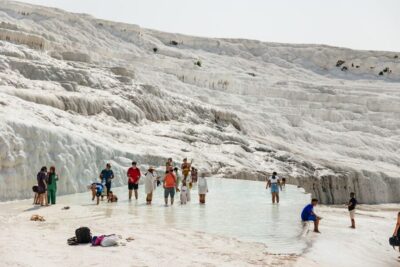

Antalya Pamukkale Hot Springs & Hierapolis Tour With Lunch
Read our review →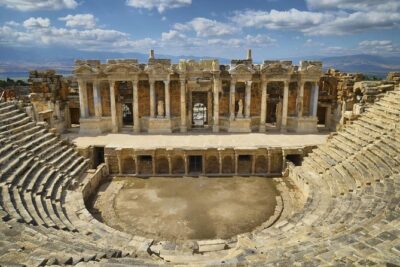
Full-Day Tour of Pamukkale from Antalya with Lunch
Read our review →

Full-Day Tour to Pamukkale From Marmaris w/ Breakfast & Lunch
Read our review →Browse the lists this tour appears in