Reviewed · FULL-DAY
Gallipoli Full-Day Tour from Istanbul
Gallipoli is not a quick monument stop. It is a long, moving day among landing beaches, cemeteries, trenches, and memorials where the First World War campaign still feels close. The most striking detail is at Johnston’s Jolly, where Turkish and Allied trenches once sat only about 30 feet apart.
I like the way this tour covers the major Anzac sites in one organized trip, and I like that the guides explain the campaign from both the Australian and New Zealand side and the Turkish side. Guides such as Burak, Burek, and Charlie have been praised for turning a string of memorials into a clear human story.
The catch is the 18-hour schedule. You spend about five hours each way on the road, so this suits you only if Gallipoli matters enough to justify a very long day. Some stops can also feel rushed.
In This Review
- Key points to know before booking
- Why Gallipoli deserves a full day from Istanbul
- Leaving Istanbul before the city wakes up
- Lunch in Eceabat and the crossing toward Gallipoli
- Brighton Beach and the first landing plan
- Beach Cemetery, Simpson, and Anzac Cove
- The memorials at North Beach and the optional Artillery Road walk
- Lone Pine and the Australian memory of Gallipoli
- Johnston’s Jolly and the trench lines
- The Nek and the Mehmetçik Monument
- Chunuk Bair and the New Zealand story
- The return to Istanbul after 6:00 PM
- Is $176 a fair price?
- Who should book this Gallipoli tour?
- Final verdict: a long day with real historical weight
- FAQ
- How long is the Gallipoli tour from Istanbul?
- Is hotel pickup included?
- Is lunch included?
- Is dinner included?
- Which language is the guided tour in?
- What should I bring?
Key points to know before booking
- Johnston’s Jolly brings the battle close: Turkish and Allied trenches were once just 30 feet apart.
- The tour covers the essential Anzac sites: Beach Cemetery, Anzac Cove, Arı Burnu Cemetery, Lone Pine, the Nek, Chunuk Bair, and the Mehmetçik Monument.
- Lunch is included in Eceabat: Drinks and dinner are extra.
- The road journey is the main compromise: Expect roughly five hours by van each way from Istanbul.
- Guiding makes the difference: Burak, Burek, and Charlie are noted for clear explanations and a balanced Turkish, Australian, and New Zealand account.
- Comfortable shoes matter: You walk around cemeteries, beaches, memorials, and former trench areas.
Why Gallipoli deserves a full day from Istanbul

Gallipoli is more than a collection of military memorials. The beaches explain the failed landing plans, the cemeteries show the personal cost, and the trench sites reveal how close the opposing forces were.
The 1915 campaign brought Australian and New Zealand troops to the peninsula in an attempt to force a route through the Dardanelles. The campaign failed, but it became a defining memory in Australia and New Zealand. For Turkey, the fighting is tied to the defense of the country and the rise of Mustafa Kemal Atatürk.
That shared story is one of the tour’s strongest features. A good guide does not reduce Gallipoli to one national viewpoint. Instead, you hear how the campaign looked from both sides, including the losses and hardships faced by Turkish forces.
I would not choose this trip simply to collect photographs at famous monuments. The value comes from understanding how the places fit together. The beaches, ridges, cemeteries, and memorials create a much clearer picture when a guide explains what happened at each point.
A few more Istanbul trips to weigh up
- Istanbul: Full-Day Highlights Tour with Guide and Lunch
★ 4.6 · 1,662 reviews - From Istanbul: Full-Day Princes Island Tour with Lunch
★ 4.0 · 1,550 reviews - ISTANBUL BEST: Iconic Landmarks Full Day PRIVATE Guided City Tour
★ 5.0 · 1,032 reviews
Leaving Istanbul before the city wakes up
Hotel pickup usually begins between 6:00 and 6:30 AM in Taksim, Beşiktaş, Beyoğlu, Şişli, Ortaköy, and Bebek. Pickup from Sultanahmet, Beyazıd, Sirkeci, Laleli, and Aksaray is generally between 6:30 and 7:00 AM. Hotels near the former Atatürk Airport area have a stated 7:15 AM pickup.
The tour uses an air-conditioned van, and the drive to the Gallipoli area takes about five hours. That is a serious stretch of road, but it also lets you visit Gallipoli without arranging trains, ferries, local transfers, and a guide on your own.
Bring your passport or ID card. The booking requires the names and passport numbers of everyone in your party, so have those details ready. Comfortable shoes are essential. This is not a ride-up-to-every-monument outing.
The early start is part of the bargain. You lose a morning of sleep, but you gain a full afternoon on the peninsula and a return transfer to Istanbul. The schedule is tightly built around the distance.
Lunch in Eceabat and the crossing toward Gallipoli
Lunch is provided at a local restaurant in Eceabat, a town on the Dardanelles near the peninsula. The meal breaks up the long drive and places you close to the afternoon’s main sites.
Drinks during lunch are not included, so budget for those separately. Dinner is also not included. The return route includes a stop in Tekirdağ for a break, but you should still plan for a long day and carry anything small you may need between meals.
The crossing toward Gallipoli is part of the geography lesson. The Dardanelles are not simply scenery beside the road. Control of this waterway was central to the 1915 campaign, and crossing it helps explain why the peninsula mattered so much.
Brighton Beach and the first landing plan
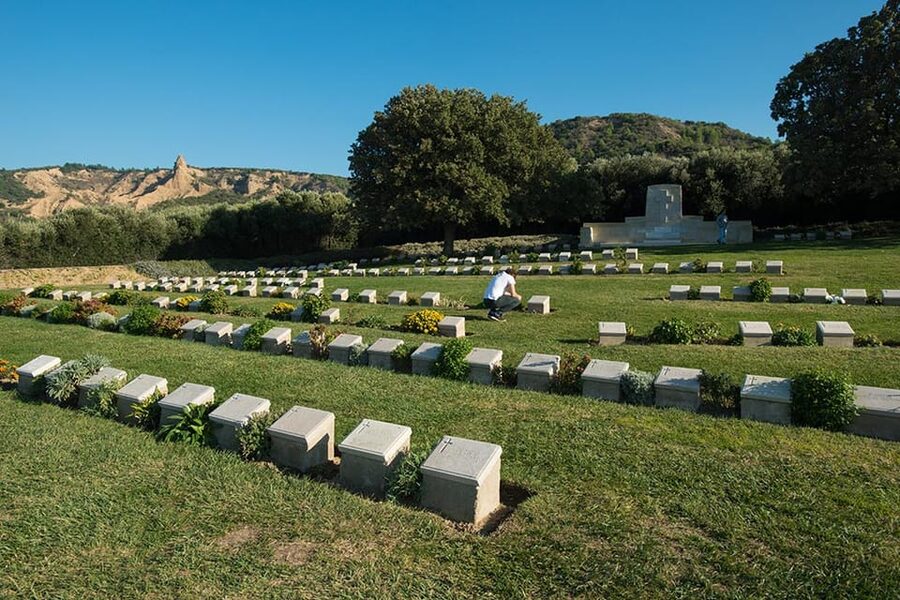
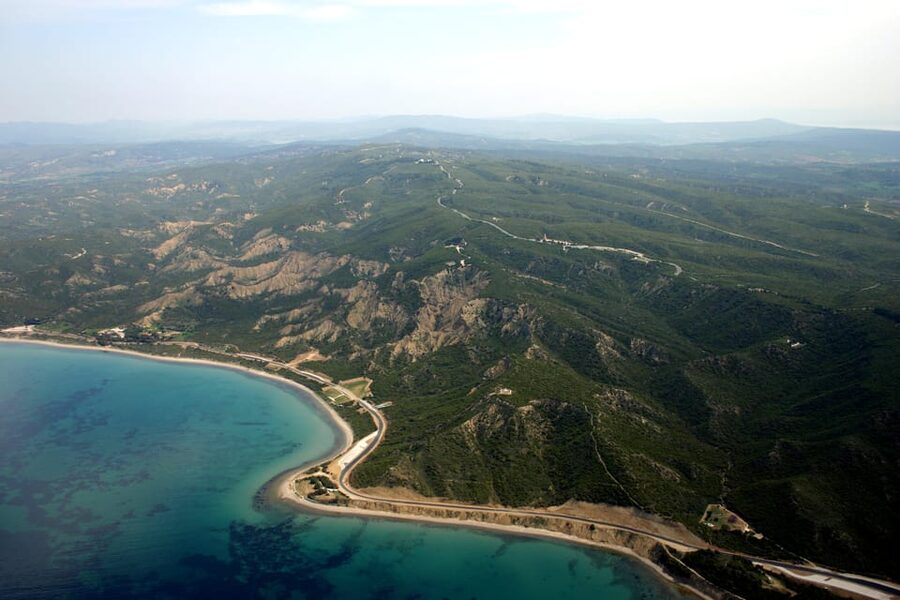
The afternoon tour begins on the Gallipoli Peninsula, with the landing beaches and Anzac sites providing the basic map of the campaign.
Brighton Beach was the first intended landing site for Australian and New Zealand forces. It helps you understand that the operation did not unfold exactly as planned. The coastline and hills made movement difficult, and the geography quickly became a major factor in the fighting.
From here, the tour moves toward Anzac Cove and the nearby cemeteries. The beaches are quieter than the names may suggest. That contrast is part of the experience. You are looking at ordinary shorelines connected to an extraordinary amount of loss.
Your guide’s explanation matters most at these first stops. Without context, a beach can look like just another beach. With a clear account of the landing plans and what followed, you can read the ground more thoughtfully.
Same city, a completely different kind of day:
- Istanbul: Bosphorus Dinner Cruise & Show with Private Table
★ 4.8 · 44,561 reviews - Istanbul: Daytime or Sunset Sightseeing Cruise & Audio Guide
★ 4.8 · 14,430 reviews - Istanbul: Bosphorus Dinner Cruise with Turkish Night Show
★ 4.8 · 10,127 reviews - Best of Istanbul 1, 2 or 3-Day Private Guided Istanbul Tour
★ 5.0 · 8,922 reviews
Beach Cemetery, Simpson, and Anzac Cove
Beach Cemetery is one of the best-known Anzac cemeteries on the peninsula. It is also the burial place of Private John Simpson Kirkpatrick, remembered for carrying wounded soldiers with a donkey during the campaign.
The cemetery is a place for slowing down. Rows of headstones make the scale of the losses personal, while the setting near the shore links the graves to the original landing area. I find this type of stop more powerful than a large monument because the names and dates bring the story down to one life at a time.
Anzac Cove gives you another essential point of reference. It was the main landing area associated with the Anzac campaign, and the nearby Anzac Commemorative Site sits below the Sphinx. The site is used for the dawn service on Anzac Day, making it especially important to visitors from Australia and New Zealand.
The tour also visits Arı Burnu Cemetery, close to the cove. Together, these stops show how quickly the landing zone became a place of burial and remembrance.
The memorials at North Beach and the optional Artillery Road walk

The Anzac Commemorative Site at North Beach is one of the peninsula’s most recognizable memorial locations. Its position below the Sphinx gives it a strong connection to the terrain and to the annual Anzac Day ceremony.
You may also have the option to walk along Artillery Road from the shoreline toward Lone Pine. The route includes Shell Green Cemetery and provides a closer look at the ground between the beach and the inland memorials.
This walk is worth considering if you want more than a bus-based visit. It also adds physical effort to an already long day, and the amount of time available can affect how leisurely it feels. Wear proper walking shoes and ask your guide about the timing before setting off.
Shell Green Cemetery is particularly meaningful for anyone tracing a family connection. One visitor on the tour had a great-grandfather buried there, which shows how personal this peninsula can become. If you have a family name connected to Gallipoli, bring the details with you and tell the guide early.
Lone Pine and the Australian memory of Gallipoli
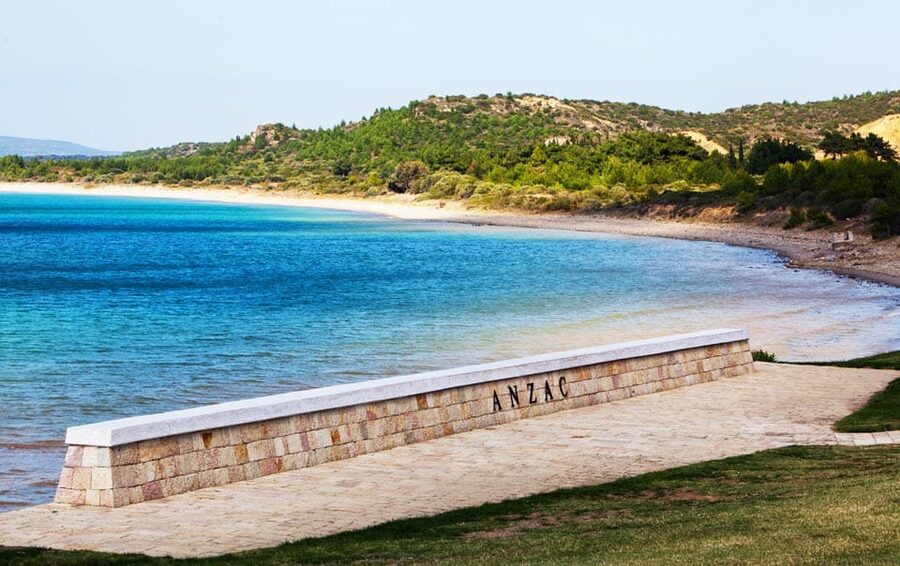
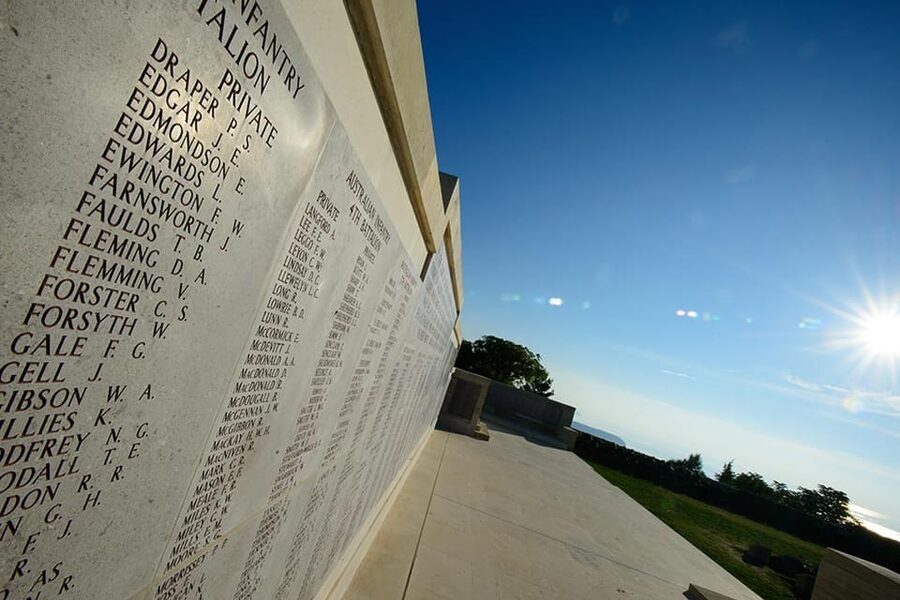
Lone Pine Australian War Memorial is the main Australian memorial on the peninsula and one of the tour’s central stops.
The site connects the battlefield to the Australian national memory of the campaign. Your guide can help explain the fighting around the area and the meaning attached to the memorial, rather than leaving you to read a plaque and move on.
The optional Artillery Road walk may approach Lone Pine from the shoreline, while the main route takes you to the memorial as part of the afternoon circuit. The exact flow can depend on timing and road conditions, so do not assume you will have unlimited time at every location.
I would allow yourself a quiet moment here. The day includes many stops, but Lone Pine is one of the places where the wider campaign and the individual losses come together.
Johnston’s Jolly and the trench lines
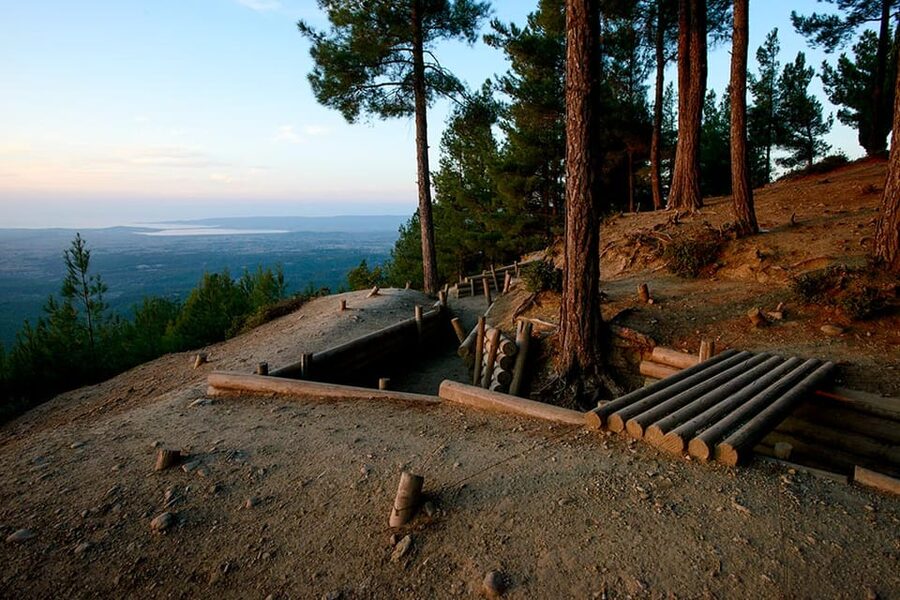
Johnston’s Jolly is one of the most revealing places on the tour. Turkish and Allied trenches were once within about 30 feet of each other. That distance is hard to picture until you are shown the position on the ground.
This stop gives the campaign a physical scale. You can understand why the fighting was so intense and why the opposing troops lived under constant danger. Trench and tunnel remains help you picture the cramped conditions far better than a general description can.
The nearby Johnston’s Jolly Cemetery adds another reminder of the price paid for this small area of ground. This is one of the stops where a strong guide earns the cost of the tour. Burak and Burek have been singled out for explaining the military details while also keeping attention on the people involved.
Do not expect a large museum-style presentation here. The power comes from the site itself, the guide’s explanation, and the short distance between the former positions.
The Nek and the Mehmetçik Monument
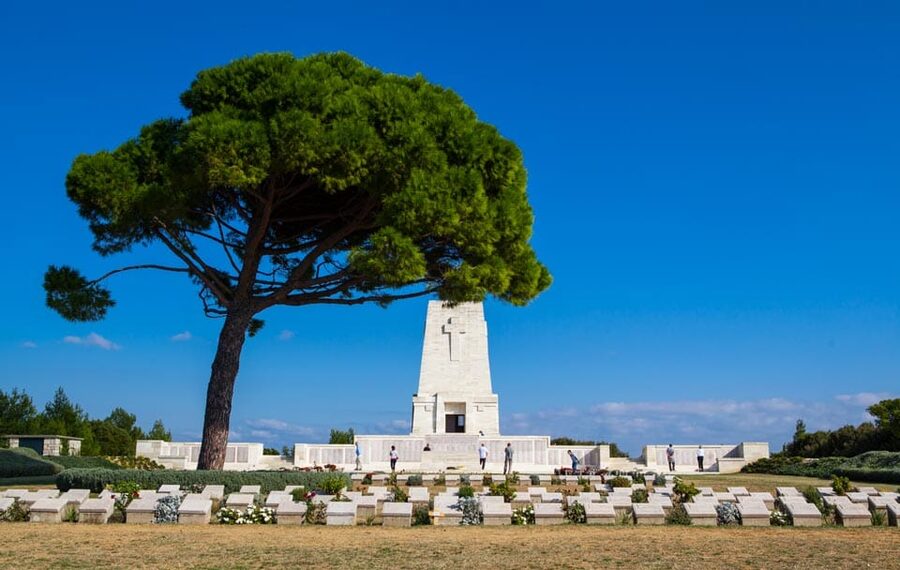
The Nek Cemetery is another important stop in the northern part of the battlefield. It is associated with one of the campaign’s most painful episodes, and the cemetery gives you a place to consider the human cost behind the military decisions.
The Mehmetçik Monument presents the Turkish side of the story. Visiting it alongside the Anzac memorials keeps the tour from becoming a one-sided account. You see how the same campaign is remembered by the country that defended the peninsula.
This balance is not just a courtesy. It helps you understand why Gallipoli remains important in Turkey as well as in Australia and New Zealand. The strongest guiding on this tour explains the campaign in a respectful, direct way without turning the visit into a simple contest between opposing national memories.
Chunuk Bair and the New Zealand story
Chunuk Bair is the key New Zealand site on the route. New Zealand troops made an epic stand here on August 8, 1915, and the location is central to understanding the New Zealand experience of the campaign.
The stop broadens the tour beyond the better-known Australian sites. If you are from New Zealand, Chunuk Bair may be the emotional center of the day. If you are from elsewhere, it helps show that the Anzac story includes distinct Australian and New Zealand experiences.
By this point, the number of cemeteries and memorials can feel heavy. That is normal. The tour works best when you listen for the links between places rather than trying to memorize every name and date.
The return to Istanbul after 6:00 PM
The group departs the peninsula at about 6:00 PM, then begins the long drive back to Istanbul. A stop in Tekirdağ provides time to stretch and eat or buy something if needed, but dinner is not included.
You may reach your hotel late at night. The exact return time can vary with traffic, which is worth remembering if you have an early flight or another fixed appointment the next morning.
The transport is convenient because it returns you to one of the listed hotels or pickup points in central Istanbul. Still, the road time is the tour’s main weakness. One past assessment suggested staying overnight in Eceabat instead, and I agree that an overnight option would be more comfortable for anyone with extra time.
Is $176 a fair price?
At $176 per person, the tour is not cheap, but the price includes round-trip transportation from Istanbul, an English-speaking guide, lunch, the Gallipoli tour, and entrance fees.
The value depends on your alternative. Reaching Gallipoli independently requires arranging the long-distance transfer, local movement around the peninsula, meal stops, and a guide who can explain the sites. This tour handles those pieces in one day, which is useful if Istanbul is your base and your schedule is limited.
The price is easier to justify if you have a family connection to Gallipoli, come from Australia or New Zealand, or care deeply about the First World War. It is less attractive if you dislike long road trips or prefer to spend more time at fewer sites.
Guiding is the most important part of the value. Names such as Burak, Burek, and Charlie have been praised for clear, engaging explanations. One guide was also appreciated for using documented details that are not always covered in school lessons or popular accounts.
Who should book this Gallipoli tour?
I would choose this tour if you want to see the major Anzac sites from Istanbul and prefer a guide to organize the history and transport. It is especially suitable for people with Australian or New Zealand family ties, including anyone researching a relative buried at places such as Shell Green Cemetery.
It also suits anyone who wants a Turkish perspective alongside the Anzac account. The best part of the day is not simply reaching the famous beaches. It is understanding the campaign as a conflict experienced by both the attacking and defending forces.
I would hesitate if you have limited mobility, diabetes, or little patience for long van journeys. The tour is not suitable for wheelchair users, and the walking surfaces and long schedule require a reasonable level of physical comfort.
The cancellation policy allows a full refund when you cancel at least 24 hours ahead, and you can reserve now and pay later. Those terms help if your Istanbul plans are still changing, but they do not shorten the day.
Final verdict: a long day with real historical weight
Book this tour if Gallipoli is a priority, not as a casual add-on. The five-hour ride each way is tiring, and some stops may feel rushed, but the route covers the main beaches, memorials, cemeteries, trenches, and Turkish sites in one carefully planned day.
I especially value the combination of Beach Cemetery, Anzac Cove, Lone Pine, Johnston’s Jolly, the Nek, and Chunuk Bair. Add a thoughtful guide and the peninsula becomes more than a series of photo stops. You leave with a clearer sense of the campaign, the people caught in it, and why Gallipoli still matters.
FAQ
How long is the Gallipoli tour from Istanbul?
The tour lasts approximately 18 hours. The drive from Istanbul to the Gallipoli area takes about five hours, followed by the afternoon tour and the return journey.
Is hotel pickup included?
Yes. Pickup is included from hotels in listed areas of Istanbul, including Taksim, Beşiktaş, Beyoğlu, Şişli, Sultanahmet, Sirkeci, Laleli, Aksaray, and the Atatürk Airport area.
Is lunch included?
Yes. Lunch is included at a local restaurant in Eceabat. Drinks during lunch are not included.
Is dinner included?
No. Dinner is not included. The return journey includes a break in Tekirdağ, where you can arrange your own food.
Which language is the guided tour in?
The tour includes a live English-speaking guide.
What should I bring?
Bring a passport or ID card and comfortable shoes. You must also provide the names and passport numbers of everyone in your group when booking.
Just added around Istanbul
- Istanbul Highlights Small-Group Walking Guided Tour★ 4.4 · 179 reviews
- Topkapi Palace&Harem-Guided Tour-Skip lines- All tickets inc★ 4.8 · 66 reviews
- Istanbul: Topkapi Palace Skip-the-Line Ticket & Guided Tour★ 4.2 · 178 reviews
- Istanbul: Private Guided Food Tour with 10 Tastings★ 4.7 · 49 reviews
- Istanbul: Belly Dancing, Show, & Dinner at Sultana’s Ticket★ 3.8 · 71 reviews
- Istanbul: Private Local Food & Markets Experience★ 4.9 · 27 reviews
- Skip-the-Line Hagia Sophia Digital Tickets w/Audio Guide★ 4.3 · 23 reviews
- Istanbul: Guided Shopping Trip with Turkish Coffee Tasting★ 4.7 · 37 reviews
Full-Day, compared.
Full Day Cappadocia Red and Green Combined Day Tour
Read our review →
Full Day Cappadocia Tour( Red Tour + Underground City )
Read our review →
Full-Day Highlights Tour with Guide and Lunch
Read our review →

Full-Day Private Tour of Cappadocia’s Highlights (Car&Guide )
Read our review →
ISTANBUL BEST: Iconic Landmarks Full Day PRIVATE Guided City Tour
Read our review →