
Reviewed · WORKSHOPS
Istanbul: Turkish Coffee Making and Fortune Telling Workshop
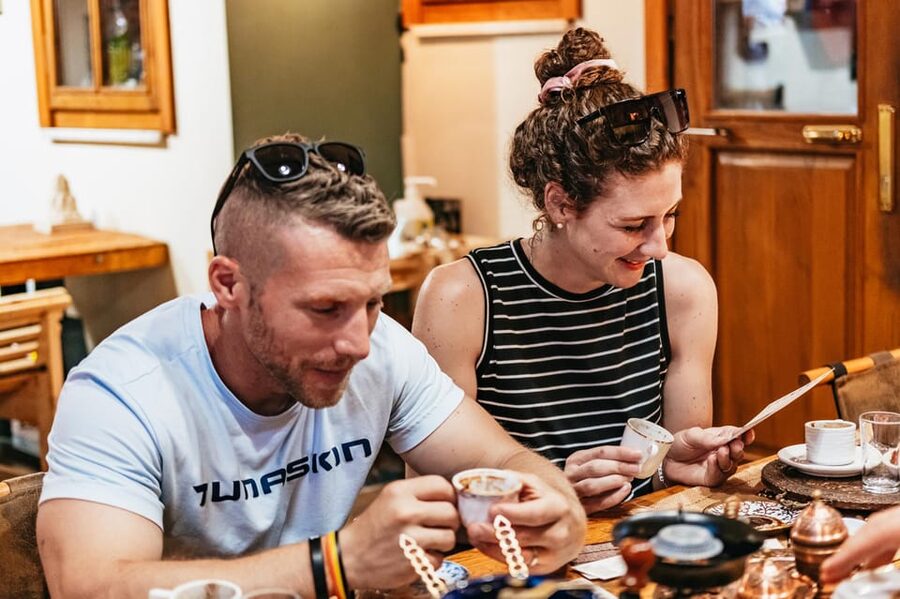
Turkish coffee is more than a strong little drink. It is a social ritual, a sign of hospitality, and a playful way to start a conversation. In this two-hour Istanbul workshop, you learn the old method from grinding the beans to brewing your own cup in a traditional cezve, then turn the leftover grounds upside down for a fortune-telling lesson.
I like two things right away: you do the work yourself instead of watching a staged demonstration, and the take-home set gives the lesson a life beyond Istanbul. The history talk also adds welcome context, including coffee’s links to Ottoman society and the origins of the word mocha. The one drawback is that the fortune telling is best treated as entertainment, not a serious prediction, and coffee drinkers who avoid caffeine may find the tasting portion a bit much.
In This Review
- Key points at a glance
- Starting at Merhaba Pastanesi in Fatih
- Coffee history before the first grind
- Grinding premium beans by hand
- Brewing in a traditional cezve
- Tasting three coffees with Turkish delight
- Reading the grounds after the cup
- The take-home cezve set
- How the two hours feel
- Value at $23 per person
- Who should book it
- Should you book this Istanbul coffee workshop?
- FAQ
- How long does the Turkish coffee workshop last?
- Where is the meeting point?
- What languages does the instructor speak?
- How many people are in the group?
- Is the workshop wheelchair accessible?
- Is hotel pickup and drop-off included?
- What is included in the Turkish coffee set?
- How much coffee will I taste?
- Can I cancel for a refund?
Key points at a glance
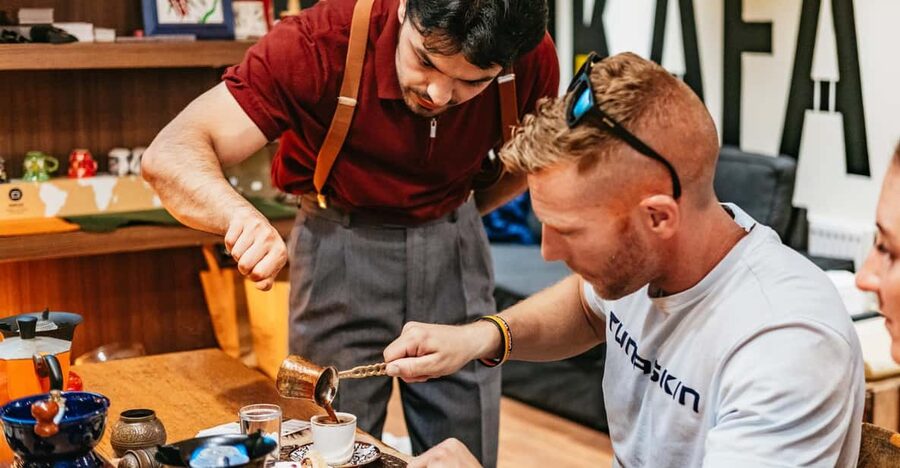
- You grind and brew your own coffee: The instructor guides you through each stage with premium beans and a traditional cezve.
- The workshop connects coffee to daily life: You learn how coffee functions in Turkish hospitality, conversation, and social customs.
- Several coffees are served: Expect three types of Turkish coffee in total, with Turkish delight and water alongside them.
- Fortune telling is part of the fun: You learn how shapes in the grounds are interpreted, then take part in a traditional coffee conversation.
- The group stays small: With no more than 10 participants, the instructor can give clear, hands-on help.
- The souvenir is useful: Your ticket includes a Turkish coffee set with a cezve, coffee, and a traditional mug.
Starting at Merhaba Pastanesi in Fatih
Your meeting point is Merhaba Pastanesi on Ankara Street in Hoca Paşa, Fatih. Look for the historic building and the vintage signboard marked merhaba. The activity provider asks you to meet just inside the entrance, where the guide will be waiting.
This is a practical location for a day around Sultanahmet. You can pair the workshop with nearby sights and food stops, though you should allow enough time to find the pastane and identify the correct entrance. Istanbul traffic can be slow, so do not plan a tight connection immediately afterward.
The workshop itself may take place away from the European-side meeting point. Some sessions include help getting from the central meeting area to the workshop location, including metro arrangements to the Asian side. The details can vary by departure time, so follow the instructions attached to your booking. Hotel pickup and drop-off are not included, and you should not assume a vehicle will collect you from your accommodation.
The instructors are listed as English and Turkish speakers. Names appearing in the teaching team include Kübra, Mehmet, Taner, Faruk, and Ilham. The guide you meet will depend on the session, but the strongest part of the teaching is the personal approach. Kübra is often singled out for patient, clear instruction and an easy manner, while Mehmet and Taner are praised for bringing coffee history to life with humor and useful stories.
A few more Istanbul trips to weigh up
- Istanbul: Turkish Coffee Making and Fortune Telling Workshop
★ 4.9 · 451 reviews - Turkish Coffee on Sand Workshop: Fortune Telling & Gift Set
★ 5.0 · 309 reviews - Istanbul Highlights: Guided Tour with Turkish Tea or Coffee
★ 5.0 · 278 reviews
Coffee history before the first grind
The workshop begins with a presentation on Turkish coffee culture and history. This is not just filler before the tasting. It explains why this preparation method matters and why a tiny cup can carry so much social meaning.
You learn about coffee’s place in Turkish and Ottoman life, the old trading routes, and the way coffee became part of hospitality. One particularly useful fact concerns mocha, a name linked to Mukha in Yemen, a major coffee trading port. Details like this help you see Turkish coffee as part of a larger story rather than an isolated national custom.
I like this opening because it gives you something to notice later. The small cup, thick texture, and unfiltered grounds are not accidents. They belong to a method designed for slow drinking and conversation, not for rushing out the door with a paper cup.
The instructor also explains the social side of the drink. Coffee can welcome a visitor, bring people together, and create a pause in the day. That cultural frame makes the later fortune-telling ritual easier to understand, even if you approach it with a raised eyebrow.
Grinding premium beans by hand
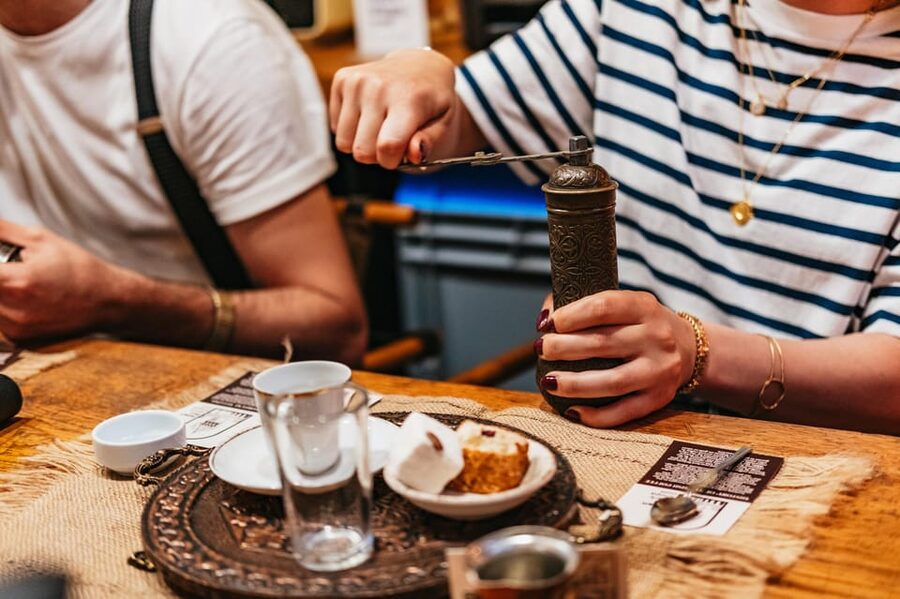
Next comes the hands-on part. You grind premium Turkish coffee beans before brewing. The activity is simple enough for beginners, and the instructor gives step-by-step directions rather than expecting you to know anything in advance.
Grinding your own beans helps you understand one reason Turkish coffee tastes different from filtered coffee. The grounds need to be very fine, since they remain in the cup instead of being caught by a paper filter. You get a direct feel for the process, and the aroma makes this one of the more sensory parts of the session.
This is also where the small group size matters. With a maximum of 10 people, the instructor can watch each person’s technique and answer questions without turning the class into a lecture. You are not pushed to the side while one person performs everything at the front.
The workshop is suitable for people who do not normally make coffee. One participant even described enjoying the experience despite not drinking coffee. That makes sense: the session is about craft and culture as much as the beverage itself. Still, if you are very sensitive to caffeine, remember that you will taste several coffees.
Brewing in a traditional cezve
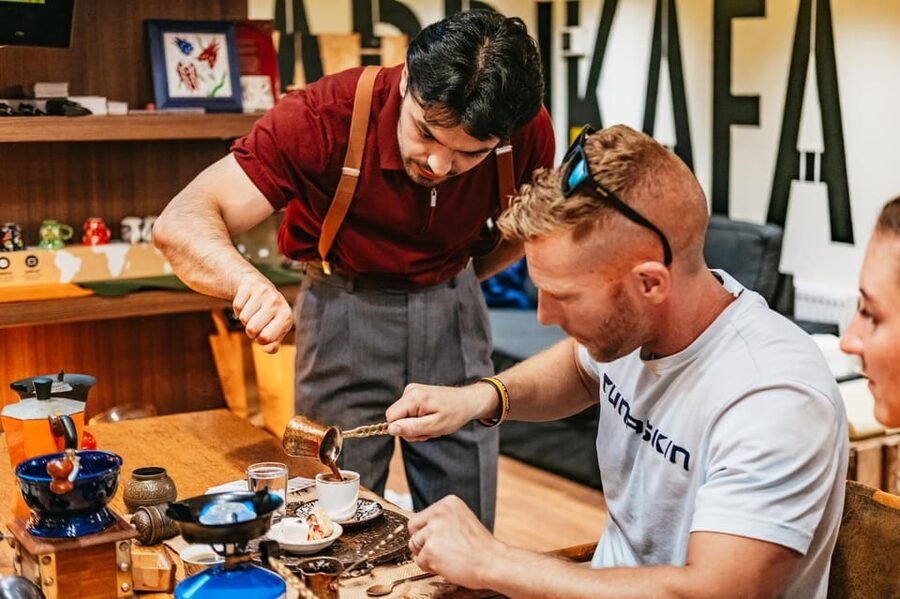
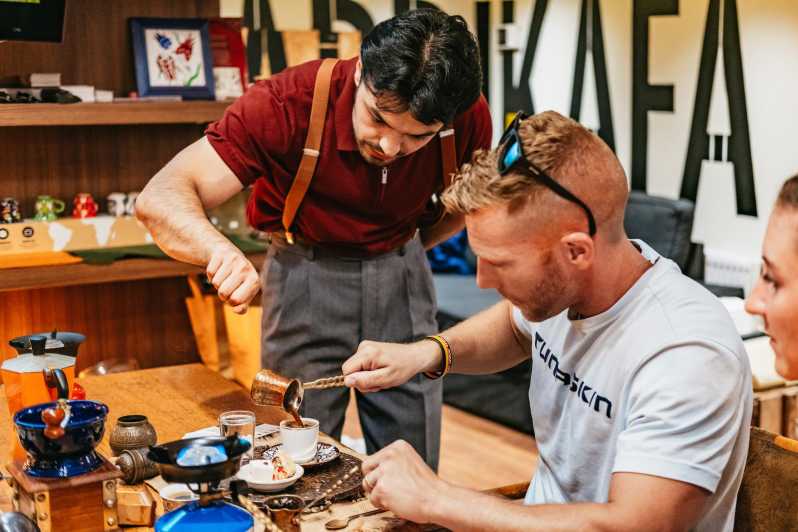
The central lesson is brewing in a cezve, the small pot traditionally used for Turkish coffee. You use the coffee you ground, follow the instructor’s method, and prepare your own cup.
The appeal here is the direct involvement. You do not simply receive a finished drink while someone else handles the important part. You see how a traditional pot works and gain enough confidence to repeat the process at home with the cezve in your gift set.
The brewing lesson is presented as easy to follow, but it still rewards patience. The instructors emphasize a calm pace, which is fitting for a drink tied to conversation and ritual. If you are used to fast espresso or automatic machines, the method may feel deliberately unhurried.
That slower rhythm is one of the workshop’s best qualities. Istanbul sightseeing can involve crowds, traffic, queues, and a long list of monuments. A seated coffee lesson gives you two hours away from that pace, with something practical to do and a guide focused on one corner of local life.
Same city, a completely different kind of day:
- Istanbul: Bosphorus Dinner Cruise & Show with Private Table
★ 4.8 · 44,561 reviews - Istanbul: Daytime or Sunset Sightseeing Cruise & Audio Guide
★ 4.8 · 14,430 reviews - Istanbul: Bosphorus Dinner Cruise with Turkish Night Show
★ 4.8 · 10,127 reviews - Best of Istanbul 1, 2 or 3-Day Private Guided Istanbul Tour
★ 5.0 · 8,922 reviews
Tasting three coffees with Turkish delight
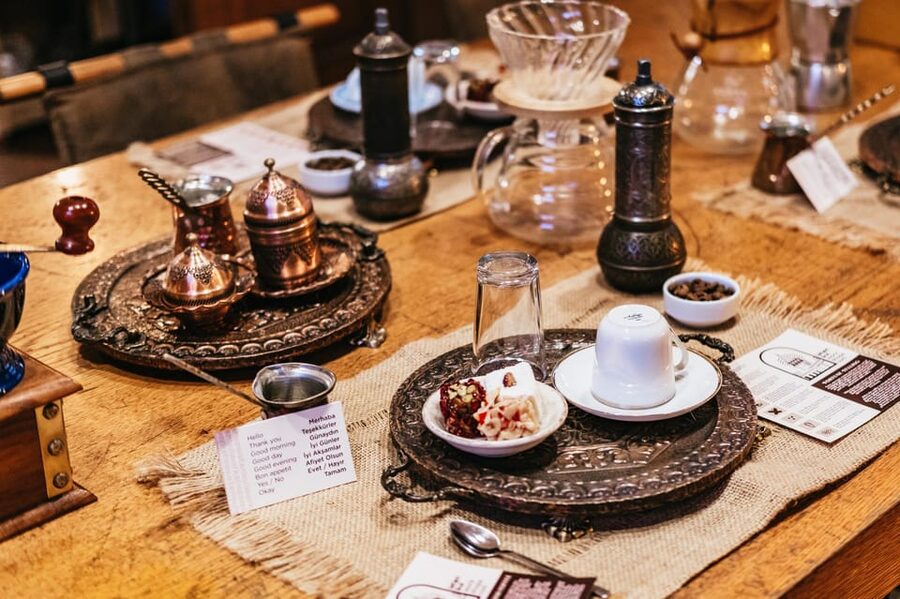
The activity includes three types of Turkish coffee in total. The exact varieties can depend on the session, but past classes have included special flavors such as pistachio coffee. Turkish delight is served with the drinks, and tea and water are also available during the workshop.
The tasting gives you a useful comparison. You can notice how different beans or flavorings change the cup, while the sweet Turkish delight balances the coffee’s bitterness. The unfiltered texture may surprise you if this is your first Turkish coffee. Do not drink the sludge at the bottom, since the grounds settle there.
The tasting is generous for a $23 activity, especially when you add the beans, sweets, water, instruction, and souvenir set. It is not a full meal, so schedule lunch or dinner separately. Think of it as a substantial cultural break rather than a food tour.
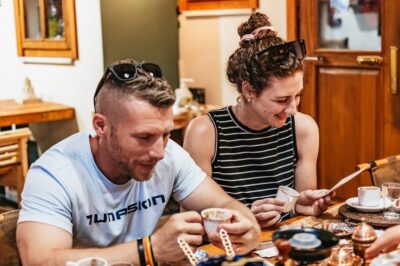
The cozy setting also supports conversation. You sit with a small group, taste together, and compare the coffee you brewed. That social element is part of the point. Turkish coffee is traditionally enjoyed with company, and the workshop recreates that shared pause better than a quick café order would.
Reading the grounds after the cup
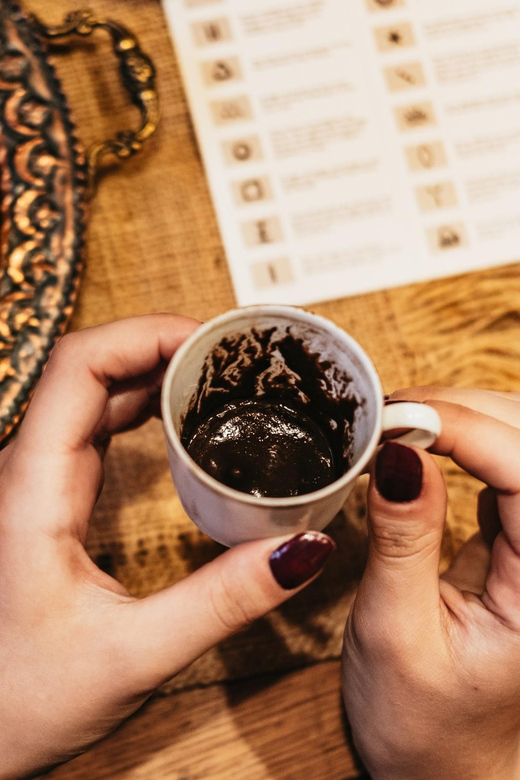
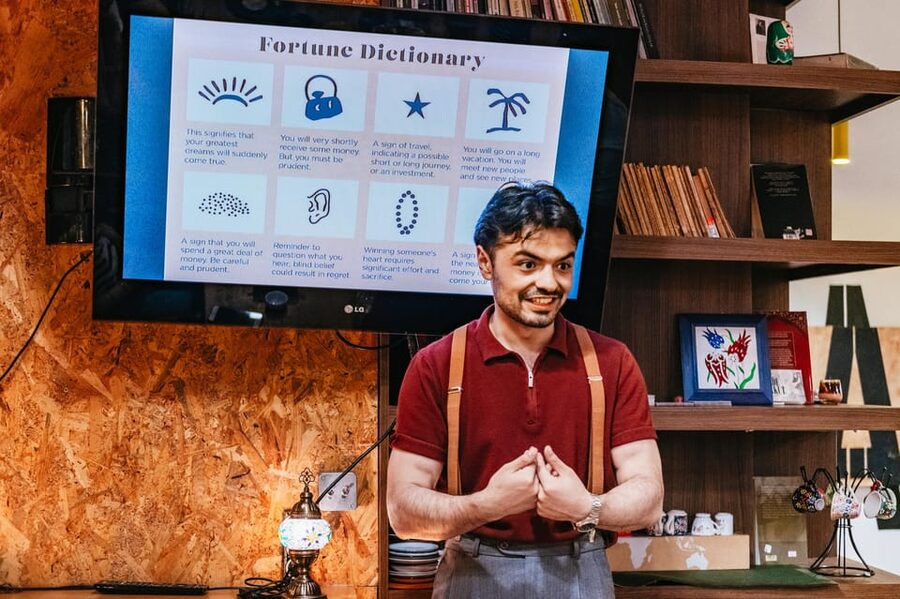
Once the coffee is finished, you turn the cup over and wait for the grounds to settle and dry. The instructor then explains how fortune telling works and interprets the shapes left behind.
This is the most playful part of the experience. You might hear stories drawn from lines, circles, or animal-like forms in the cup. The ritual is a window into a familiar Turkish custom, but you should approach it as folklore and entertainment. It is not presented as a scientific method, and your enjoyment will depend partly on how willing you are to play along.
Some people find this the highlight because it creates a personal moment at the end of the tasting. Others may see it as a gimmick. I would not book the workshop solely for fortune telling, but I would welcome it as a light, memorable finish to the coffee lesson.
The exercise also shows how coffee can keep a conversation going after the drink itself is gone. That is a small but useful insight into the social role discussed at the beginning.
The take-home cezve set
At the end, you receive a Turkish coffee gift set based on your ticket. The listed set includes a cezve, coffee, and traditional mug. Several participants also describe receiving attractive cups or hand-painted tea pieces, but check the exact ticket details if the design or contents matter to you.
This is more useful than a token souvenir. You can try the method again at home, share the coffee with family or friends, and remember the lesson through something you actually use. The coffee included in the set means you can practice without immediately shopping for supplies.
The gift adds real value to the $23 price. Even if you care little about collecting souvenirs, a cezve is tied directly to what you learned. Some sessions may also provide a certificate or diploma, but that is not listed among the standard inclusions, so treat it as an extra rather than a guarantee.
Pack the set carefully for your journey. The provided information does not specify its dimensions or packaging, but a traditional mug and small pot still deserve room in your luggage.
How the two hours feel
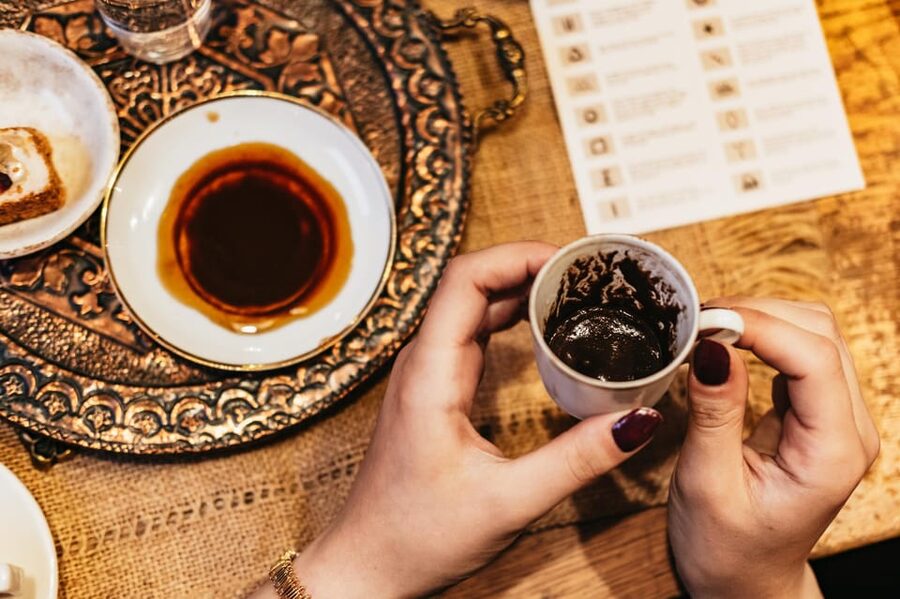
The schedule moves through a clear sequence:
- Coffee history and its place in Turkish society
- Bean grinding with premium coffee
- Instruction and practice with a cezve
- Tasting three Turkish coffees with Turkish delight
- Fortune-telling customs and a shared coffee conversation
- A Turkish coffee set to take home
That order works well. You get the cultural background first, then put the ideas into practice, and finish with the social ritual. Nothing depends on specialist coffee skills, and the guide can explain the process in English or Turkish.
The pace is generally relaxed. That is a strength for couples, families, and anyone needing a break from sightseeing, but it may feel slow if you want a fast demonstration and a single cup. You should also expect the session to last about two hours, rather than treating the advertised duration as a rough estimate.
The small-group limit of 10 helps keep the class personal. It also means that a late arrival can disrupt a hands-on activity more than it would a large walking tour. The meeting instructions ask you to be inside Merhaba Pastanesi for the start, so aim to arrive early.
Value at $23 per person
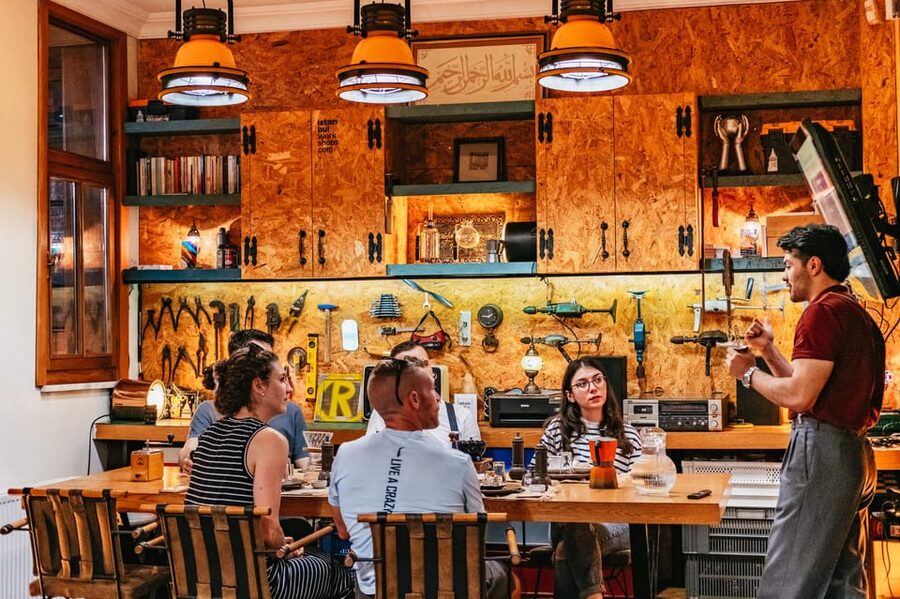
At $23 per person, this is priced below many longer Istanbul food and culture activities. The value comes from the combination of instruction, multiple tastings, Turkish delight, and the take-home equipment.
If you only want a cup of Turkish coffee, a café visit will cost less and take less time. You are paying here for access to an instructor, the cultural explanation, the chance to prepare the drink yourself, and the souvenir. For someone curious about Turkish customs, that is a fair package.
The price is especially good for couples or friends who want a shared activity. It also works as a birthday idea, since the class gives you something to do together and a practical memento afterward. Solo visitors can join the group and meet other participants around a simple common interest.
The value is lower if you dislike coffee, have no interest in traditional rituals, or want a major sightseeing attraction. This is a focused workshop, not a broad Istanbul tour. It will not replace the Hagia Sophia, Topkapı Palace, or a Bosphorus cruise, but it gives you a closer look at ordinary cultural practice.
Who should book it
I would choose this workshop if you want a hands-on activity that connects food, history, and social customs. It suits first-time visitors who want more than monuments, repeat visitors looking for a quieter afternoon, and anyone who likes bringing home a skill rather than just another photograph.
Couples should consider it for a relaxed date or birthday activity. Families with older children may enjoy the grinding and brewing, though the caffeine and hot coffee require sensible supervision. The accessible format and small group are helpful for many participants, but confirm your specific needs with the provider before booking.
Coffee enthusiasts will get the most from the preparation details and tasting. Non-coffee drinkers can still enjoy the history, sweets, group setting, and fortune telling, but should know that coffee is present throughout the session.
The main caution is logistical. The meeting point is in Fatih, while some sessions have involved transport toward the Asian side. Read the current directions carefully, allow time for Istanbul traffic, and do not rely on hotel pickup.
Cancellation is flexible up to 24 hours before the activity for a full refund, and you can reserve now and pay later. The workshop is offered at different starting times, so check availability when choosing your day.
Should you book this Istanbul coffee workshop?
Book it if you want a friendly, low-cost cultural activity with real participation and a useful souvenir. The history talk, hands-on brewing, three-coffee tasting, and fortune-telling ritual form a well-balanced two hours. The instructors, including Kübra, Mehmet, Taner, and others on the teaching team, are known for clear explanations, patience, and an easy sense of humor.
Skip it if you do not want to drink coffee, dislike group activities, or prefer a major landmark to a small cultural lesson. Also keep expectations sensible about the fortune telling: enjoy the stories, but do not treat them as fact.
For most visitors, I see this as an excellent pause in an Istanbul itinerary. You learn a traditional method, meet people over a shared cup, and return home with the tools to repeat the experience. At $23, that is a good deal.
FAQ
How long does the Turkish coffee workshop last?
The workshop lasts two hours. Starting times vary, so check availability for your preferred date.
Where is the meeting point?
Meet at Merhaba Pastanesi at Hoca Paşa, Ankara Cd., 34112 Fatih, Istanbul. Look for the historic building with the vintage merhaba signboard and meet the activity provider just inside the entrance.
What languages does the instructor speak?
Instruction is available in English and Turkish.
How many people are in the group?
The workshop is limited to 10 participants.
Is the workshop wheelchair accessible?
Yes, the activity is listed as wheelchair accessible.
Is hotel pickup and drop-off included?
No. Hotel pickup and drop-off are not included.
What is included in the Turkish coffee set?
The listed gift set includes a cezve, Turkish coffee, and a traditional mug. The exact set is based on your ticket.
How much coffee will I taste?
You will taste three different types of Turkish coffee. Turkish delight and water are included as well.
Can I cancel for a refund?
Yes. You can cancel up to 24 hours in advance for a full refund. You can also reserve now and pay later.
Just added around Istanbul
- Istanbul Highlights Small-Group Walking Guided Tour★ 4.4 · 179 reviews
- Topkapi Palace&Harem-Guided Tour-Skip lines- All tickets inc★ 4.8 · 66 reviews
- Istanbul: Topkapi Palace Skip-the-Line Ticket & Guided Tour★ 4.2 · 178 reviews
- Istanbul: Private Guided Food Tour with 10 Tastings★ 4.7 · 49 reviews
- Istanbul: Belly Dancing, Show, & Dinner at Sultana’s Ticket★ 3.8 · 71 reviews
- Istanbul: Private Local Food & Markets Experience★ 4.9 · 27 reviews
- Skip-the-Line Hagia Sophia Digital Tickets w/Audio Guide★ 4.3 · 23 reviews
- Istanbul: Guided Shopping Trip with Turkish Coffee Tasting★ 4.7 · 37 reviews
Workshops, compared.
Original Turkish Mosaic Lamp Workshop w/ Snacks
Read our review →
Turkish Mosaic Lamp Workshop with Bosphorus View
Read our review →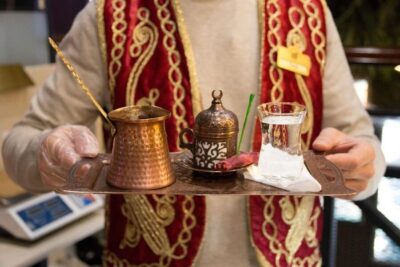
Turkish Mosaic Lamp Workshop in Galata – All Included
Read our review →
Turkish Coffee Making and Fortune Telling Workshop
Read our review →
Browse the lists this tour appears in