Reviewed · FULL-DAY
Troy: Full-Day Tour from Istanbul
Troy is more than a wooden horse and a famous war story. At this UNESCO-listed archaeological site, you can walk among the remains of nine settlements built one above another, including the city linked with Homer’s Iliad. The 3,700-year-old defensive walls and surviving house foundations give the old legends a real place on the ground.
I like the careful logistics, especially the ferry crossing of the Dardanelles and the included lunch in Eceabat. I also like that the guide explains both the myths and the archaeological work, so you get more than a quick look at scattered stones. The catch is simple: this is an 18-hour day, with roughly five hours each way by road, plus transfers and breaks.
In This Review
- Key points before you book
- Why Troy makes a worthwhile day from Istanbul
- The early Istanbul pickup and long road to Eceabat
- Lunch in Eceabat and the Dardanelles ferry
- Walking through Troy’s nine archaeological layers
- What the Trojan War story adds to the ruins
- The wooden horse in Çanakkale
- The return ferry and late arrival in Istanbul
- Guide quality and the value of the interpretation
- Is $169 a fair price for this Troy tour?
- Who should book this 18-hour day?
- Should you book the Troy day trip?
- FAQ
- How long does the Troy tour from Istanbul last?
- What is included in the $169 price?
- Is breakfast included?
- Are drinks included with lunch?
- Where is hotel pickup available?
- What time does pickup begin?
- How long is the guided visit at Troy?
- How do you reach Troy from Istanbul?
- What should you bring?
Key points before you book
- Nine cities in one mound: Troy contains layers of settlements dating back before 3500 BC, with Homer’s Troy only one part of the story.
- A full day on the move: Expect long bus rides, two ferry crossings, a 45-minute lunch, and about two hours at the ruins.
- A useful guide makes the difference: The site can be hard to read alone, while guides such as Barik explain the walls, houses, excavations, and Trojan War traditions.
- The Dardanelles crossing adds variety: The ferry ride between Eceabat and Çanakkale breaks up the road journey and connects two shores with long historical ties.
- Good value at $169: Transport, lunch, ferry tickets, entrance, and an English-speaking guide are included, though drinks and breakfast cost extra.
Why Troy makes a worthwhile day from Istanbul
The main reason to choose this outing is access. Troy is far from Istanbul, and reaching it independently requires arranging several transport legs, finding the archaeological entrance, and organizing a return trip after a full day on the road.
For $169 per person, the package covers hotel transport, an air-conditioned non-smoking vehicle, ferry tickets, entry to Troy, lunch, and a professional English-speaking guide. That is a fair price for the distance and the amount of coordination involved.
I would not choose this trip simply to collect another ancient site. Troy is not a vast city with towering monuments. Much of what you see consists of foundations, low walls, earthworks, and excavated remains. Its appeal comes from the combination of physical ruins, Homeric storytelling, and the discovery of several cities stacked through time.
If The Iliad, Achilles, Hector, Helen, or Paris mean something to you, the site can be surprisingly moving. You may find yourself looking across the farming fields and imagining the plain where the Trojan War is traditionally placed, even though the exact battle scenes are not part of the walking route.
A few more Istanbul trips to weigh up
- Istanbul: Full-Day Highlights Tour with Guide and Lunch
★ 4.6 · 1,662 reviews - From Istanbul: Full-Day Princes Island Tour with Lunch
★ 4.0 · 1,550 reviews - ISTANBUL BEST: Iconic Landmarks Full Day PRIVATE Guided City Tour
★ 5.0 · 1,032 reviews
The early Istanbul pickup and long road to Eceabat
Pickup is offered from selected hotels in the Taksim and Sultanahmet areas. Taksim pickups generally take place between 6:00 and 6:20 in the morning, while Sultanahmet pickups are usually between 6:30 and 7:00. The exact time and meeting place depend on your hotel, so confirm them before the day begins.
There is no pickup or drop-off service from Istanbul’s Asian side. If you are staying outside the listed hotel areas, you may need to reach an approved meeting point on your own.
The first road section lasts about two and a half hours before a 30-minute refreshment break in the Marmara Region. Breakfast is not included, so this is the sensible time to buy something to eat. Bring cash or a card, but do not count on the break as a full meal stop.
After the break, you continue for another two hours toward Eceabat. The vehicle is air-conditioned and non-smoking, which matters on a day this long. Still, a small bus seat for several hours is not the same as a train or a short sightseeing transfer. If you get stiff on long rides, use the stops to walk around.
The scenery helps. The route takes you away from Istanbul and toward the Dardanelles, with farmland and open views replacing the city. The road time is unavoidable, but the tour is upfront about it. That honesty matters when you are deciding how to use one full day of your holiday.
Lunch in Eceabat and the Dardanelles ferry
Eceabat is the lunch stop, and the meal is included at a local restaurant. You have about 45 minutes to eat before joining the ferry. Drinks are not included, so budget a little extra if you want tea, soft drinks, or water with lunch.
The meal is practical rather than a long culinary event. Its real value is the pause. After the morning drive, sitting down to eat before Troy makes the second half of the day easier.
After lunch, you take a ferry across the Dardanelles to Çanakkale. The crossing lasts about 20 to 25 minutes, depending on the schedule stated for the day. You leave the bus, which gives you a welcome chance to stretch, take photographs, and look across the strait.
The ferry also gives the tour a stronger sense of place. Troy is not an isolated ruin reached by a single highway. The crossing connects the European side at Eceabat with Çanakkale on the Asian side, and it turns a long transfer into part of the experience.
Once you arrive in Çanakkale, you rejoin the bus for the roughly 30-minute drive to Troy. The transitions are handled by the tour staff, but listen carefully for instructions. This day involves a bus, a ferry, another bus, and then the same sequence in reverse.
Walking through Troy’s nine archaeological layers
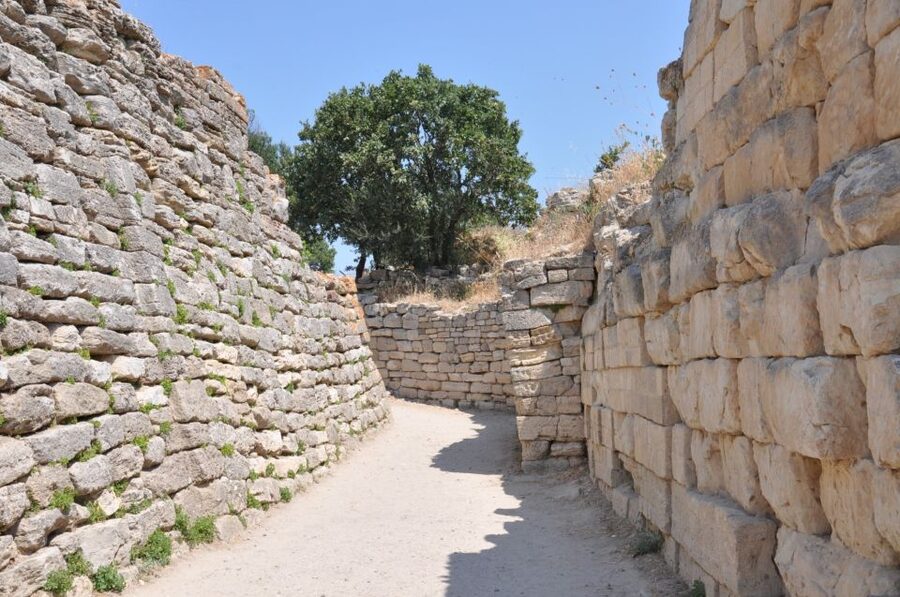
The guided visit at Troy lasts about two hours. That is enough time for a clear introduction to the major remains, but not enough for a slow, solitary study of every stone. Stay close to the guide and ask questions while the group is at each important section.
The first idea to grasp is that Troy is not one city. Archaeologists identify nine settlements built on the same general site, with the earliest layers dating to before 3500 BC. Walls, houses, gates, and streets from different periods overlap, making the mound difficult to understand without explanation.
This layering is also what makes Troy special. You are not simply looking at the ruins of one Bronze Age settlement. You are looking at thousands of years of rebuilding, destruction, repair, and changing urban life in one location.
The city made famous by Homer’s Iliad is only one of those settlements. Your guide explains how the literary Troy fits into the archaeological sequence, along with the limits of what can be proved. That distinction is important. The tour does not need to pretend that every Homeric detail has been confirmed to make the site worthwhile.
You will see sections of ancient defensive walls that remain impressive even after so much time. The walls help you understand why Troy was valuable and why a settlement in this location needed protection.
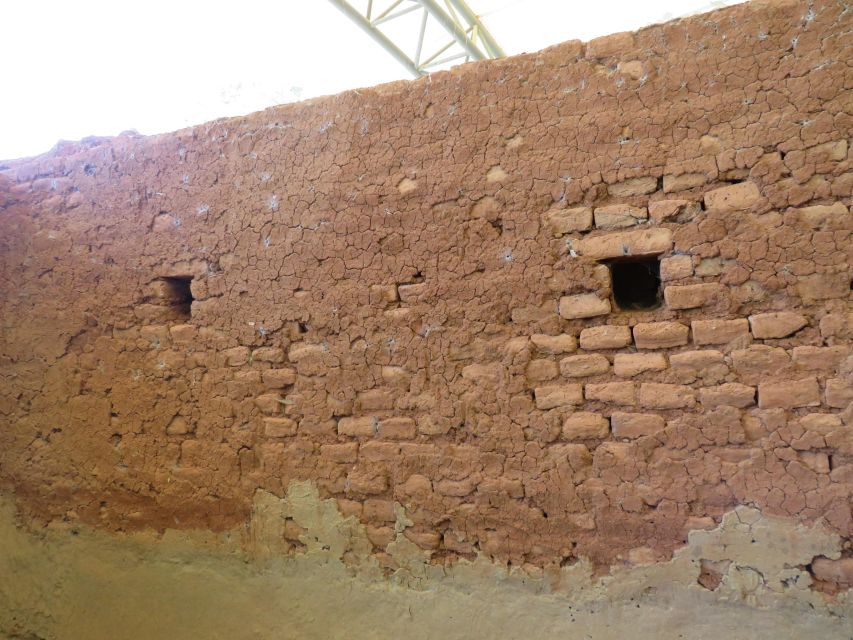
The walk also passes the remains of everyday houses more than 3,000 years old. These are easy to overlook beside the famous war story, but they may be the most human part of the visit. Foundations and room outlines suggest where people cooked, worked, stored goods, and lived ordinary lives while later generations remembered kings and heroes.
The paths through the site include wooded sections and are manageable for visitors wearing comfortable shoes. The ground is still archaeological terrain, so expect uneven surfaces and outdoor walking. Sunglasses, a sun hat, rain gear, and water are sensible choices depending on the season.
Same city, a completely different kind of day:
- Istanbul: Bosphorus Dinner Cruise & Show with Private Table
★ 4.8 · 44,561 reviews - Istanbul: Daytime or Sunset Sightseeing Cruise & Audio Guide
★ 4.8 · 14,430 reviews - Istanbul: Bosphorus Dinner Cruise with Turkish Night Show
★ 4.8 · 10,127 reviews - Best of Istanbul 1, 2 or 3-Day Private Guided Istanbul Tour
★ 5.0 · 8,922 reviews
What the Trojan War story adds to the ruins
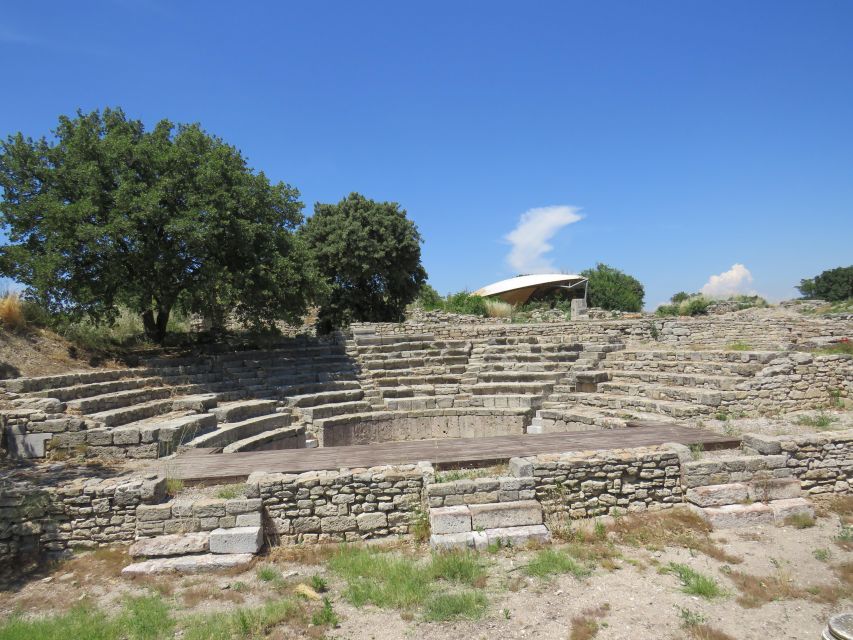
A visit to Troy works best when you keep two tracks in mind. One is the physical site, with its walls, houses, and multiple layers. The other is the story handed down through Homer, with Achilles, Hector, Helen, Paris, Priam, and the famous siege.
The guide connects the visible remains with the mythology surrounding the Trojan War. That storytelling gives shape to ruins that might otherwise look like a low pile of stones. At the same time, you should expect interpretation rather than a movie set. The site cannot place every duel or dramatic scene exactly where the poem describes it.
One useful point from the experience is that the plain south of the walls, often associated with the battles and the duel between Achilles and Hector, is not part of the standard walking route. You may look toward the surrounding fields, but you do not get to walk out across them. The reason is practical: they are private farming areas.
This limitation may disappoint visitors who arrive hoping to recreate every scene from The Iliad. For readers of epic literature, though, the ability to look over the area and let your imagination do some of the work can be enough.
The site also teaches you how Troy was rediscovered. Extensive archaeological excavations revealed the settlement layers and changed the way scholars understood the place. The guide’s explanation of that process is one of the tour’s most useful elements, especially if you have never visited a multi-period excavation before.
The wooden horse in Çanakkale
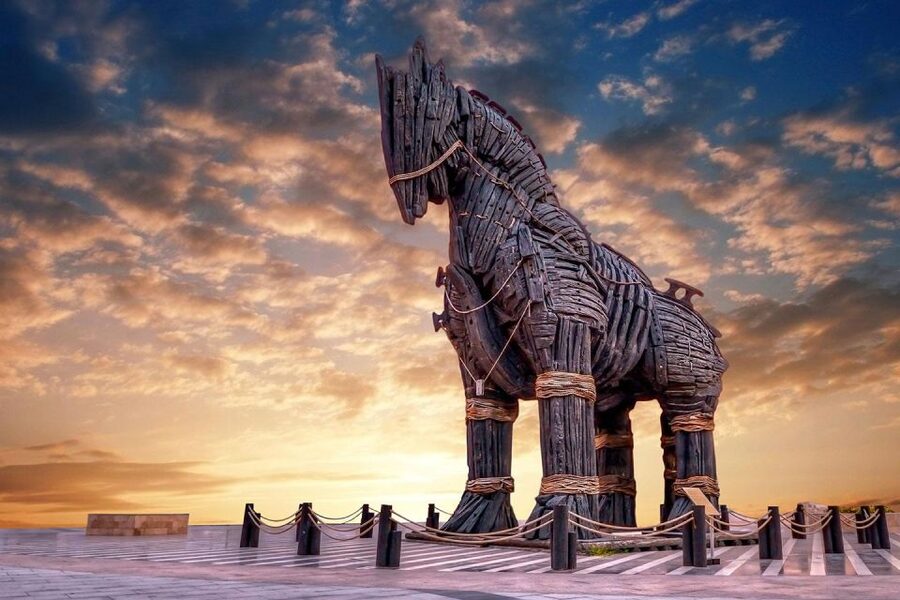
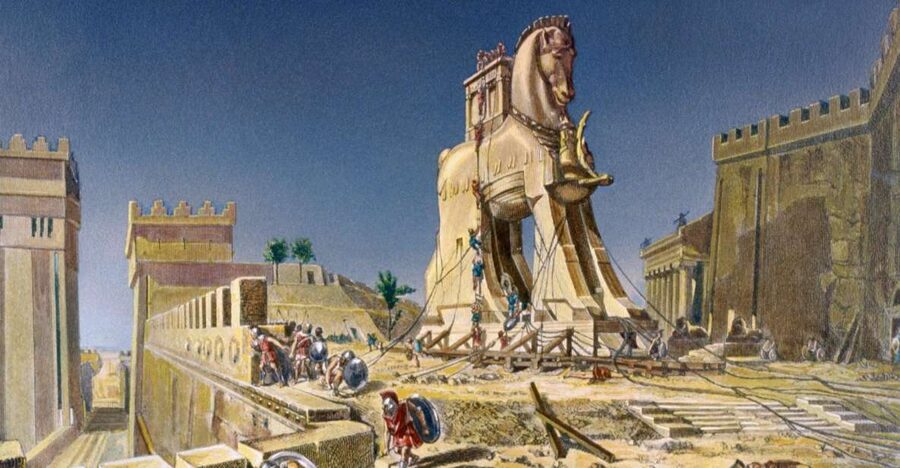
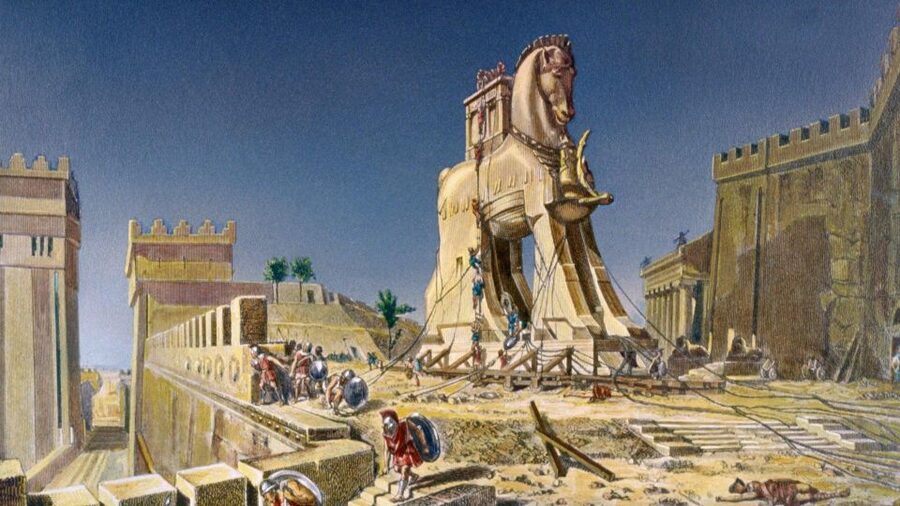
After the guided visit, the bus returns to Çanakkale. One of the stops is a look at the Hollywood wooden horse associated with the film Troy. It is not the ancient horse from the legend, of course. It is a later movie prop, and the contrast is part of the fun.
This stop gives you the familiar image that most people associate with Troy, while the archaeological site gives you something far more complex. The nearby gift shop also offers a chance to browse for a small souvenir before the return journey.
Do not confuse the replica horse with the ancient remains. The horse is a modern cultural object, while Troy itself asks you to think about how myth, literature, archaeology, and popular film keep reshaping the same story.
The return ferry and late arrival in Istanbul
The return trip follows the same basic pattern. You take the ferry from Çanakkale back to Eceabat, enjoy a brief break, and board the bus for Istanbul. The return road sections include another roughly two-hour drive, a 30-minute break in the Marmara Region, and a final ride of about two and a half hours.
Traffic can affect the exact arrival time. The stated duration is 18 hours, and this is not a tour that leaves you back in Istanbul early for dinner or evening plans. Keep the following morning free if possible, especially if you want to recover from the early pickup and late return.
The good news is that the operation is designed around the difficult timing. Transport, ferry transfers, lunch, and site entry are arranged together, reducing the chance of losing time between separate bookings. On a journey this long, that organization is a major part of the value.
Guide quality and the value of the interpretation
The guide can make or break Troy. Without context, you may see a mound with several walls and struggle to tell which period you are viewing. With a lively explanation, the site becomes a layered story about settlement, war, rebuilding, excavation, and memory.
The guiding is in English. Barik is one guide specifically praised for his energy, attentiveness, and grasp of the site, and other guides are described as friendly, humorous, and clear. Guide assignments can vary, so do not assume Barik will lead every departure.
The strongest part of the guiding is the balance between fact and legend. You hear about Homer’s poem and the Trojan War, but also about how archaeologists identified the different cities and what the excavations have revealed. That approach suits you if you want more than a dramatic retelling.
Is $169 a fair price for this Troy tour?
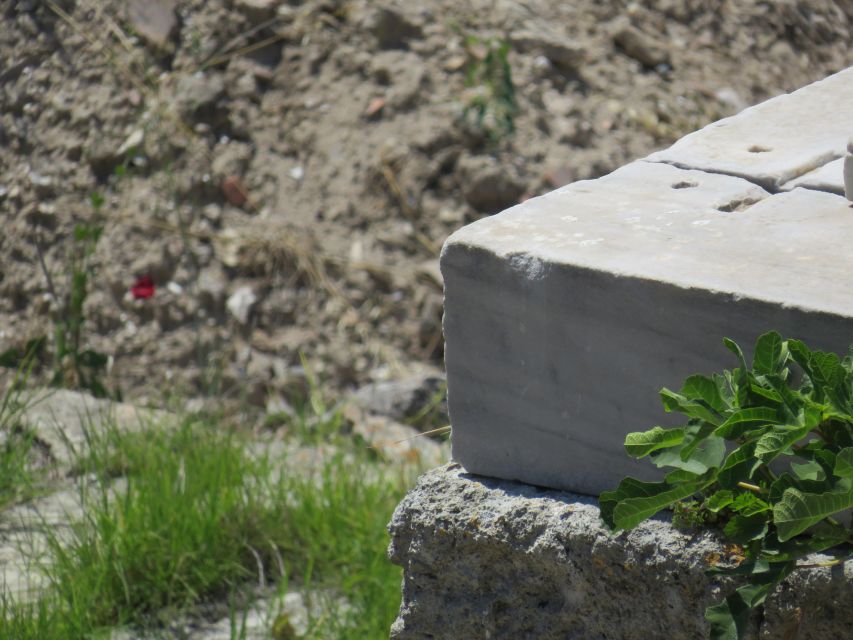
At $169, I see this as a convenience-focused day trip rather than a cheap excursion. The price includes return hotel transport from approved Istanbul areas, an English-speaking guide, lunch, ferry tickets, entrance to Troy, and all vehicle transfers.
The distance is the key factor. A do-it-yourself visit might appear cheaper at first, but you would need to arrange transport from Istanbul, the journey to the Dardanelles, the ferry, the final road leg to Troy, site admission, and the return trip. You would also need to manage the timing yourself.
The included lunch and entrance fee make the price easier to accept. Breakfast and drinks are extra, but those are modest add-ons. I would budget for breakfast during the first break and carry water for the walking portion.
You are paying for a very long day made workable by someone else coordinating the moving parts. That is good value if you have limited time and strongly want to see Troy from Istanbul. It is less attractive if you dislike long bus rides or prefer to spend several nights in the Çanakkale area.
Who should book this 18-hour day?
I would recommend it most strongly to readers of Homer, ancient history, archaeology, and Turkish history. It also suits first-time visitors to Turkey who want to add one major ancient site without changing hotels or planning an overnight trip.
The tour is a good fit if you value clear transport arrangements and prefer an English-speaking guide. The ferry crossings, included meal, and direct hotel pickup remove much of the planning work.
I would hesitate if your Istanbul stay is very short. Giving up an entire day means missing other Istanbul sights, and the road time is substantial. I would also think twice if you need a slow pace, dislike sitting in a vehicle, or want a detailed archaeological study rather than a guided overview.
Wear comfortable shoes and bring sun protection, a camera, and rain gear. Carry your passport or ID card, since it is listed as a required item. Most important, confirm your pickup details the day before and treat the journey itself as part of the day, not as an annoying gap between attractions.
Should you book the Troy day trip?
Book this tour if Troy is high on your Turkey wish list and you want the simplest way to reach it from Istanbul. The 18-hour schedule is demanding, but the transport, ferry crossings, lunch, admission, and guide cover the difficult parts for $169.
Skip it if you have no interest in Homeric literature or archaeology, or if a full day in a bus sounds miserable. For the right person, though, standing beside Troy’s old walls and seeing the layers of settlement explained in person can answer questions that a book or film never quite settles.
FAQ
How long does the Troy tour from Istanbul last?
The tour lasts 18 hours, including the road journeys, breaks, lunch, ferry crossings, and the guided visit at Troy.
What is included in the $169 price?
The price includes return transport from selected Istanbul hotels, an English-speaking guide, lunch in Eceabat, ferry tickets, entrance to Troy, and transportation in an air-conditioned non-smoking vehicle.
Is breakfast included?
No. Breakfast is not included. There is a refreshment break during the morning journey where you can buy food at your own expense.
Are drinks included with lunch?
No. Drinks during lunch are not included and must be paid for separately.
Where is hotel pickup available?
Pickup and drop-off are available only from selected hotels in the Taksim and Sultanahmet areas. There is no pickup or drop-off service from Istanbul’s Asian side.
What time does pickup begin?
Taksim pickup is generally between 6:00 and 6:20 in the morning. Sultanahmet pickup is generally between 6:30 and 7:00. Confirm the exact time and meeting point before departure.
How long is the guided visit at Troy?
The guided tour of the ancient city lasts about two hours.
How do you reach Troy from Istanbul?
You travel by air-conditioned bus, take a ferry from Eceabat across the Dardanelles to Çanakkale, and then continue by bus to Troy. The return follows the same route.
What should you bring?
Bring your passport or ID card, comfortable shoes, sunglasses, a sun hat, a camera, and rain gear.
Just added around Istanbul
- Istanbul Highlights Small-Group Walking Guided Tour★ 4.4 · 179 reviews
- Topkapi Palace&Harem-Guided Tour-Skip lines- All tickets inc★ 4.8 · 66 reviews
- Istanbul: Topkapi Palace Skip-the-Line Ticket & Guided Tour★ 4.2 · 178 reviews
- Istanbul: Private Guided Food Tour with 10 Tastings★ 4.7 · 49 reviews
- Istanbul: Belly Dancing, Show, & Dinner at Sultana’s Ticket★ 3.8 · 71 reviews
- Istanbul: Private Local Food & Markets Experience★ 4.9 · 27 reviews
- Skip-the-Line Hagia Sophia Digital Tickets w/Audio Guide★ 4.3 · 23 reviews
- Istanbul: Guided Shopping Trip with Turkish Coffee Tasting★ 4.7 · 37 reviews
Full-Day, compared.
Full Day Cappadocia Red and Green Combined Day Tour
Read our review →
Full Day Cappadocia Tour( Red Tour + Underground City )
Read our review →
Full-Day Highlights Tour with Guide and Lunch
Read our review →

Full-Day Private Tour of Cappadocia’s Highlights (Car&Guide )
Read our review →
ISTANBUL BEST: Iconic Landmarks Full Day PRIVATE Guided City Tour
Read our review →