Reviewed · PRIVATE
Turkey Biblical Tour (Private)
Turkey Biblical Tour is built around a powerful idea: read the Bible where its events unfolded. You move from Istanbul’s Byzantine and Ottoman monuments to ancient ports linked with Paul, the Seven Churches of Asia Minor, Ephesus, and the cave churches of Cappadocia. The private format lets your guide connect Acts and Revelation to the ruins in front of you, rather than rushing you through with a large group.
I especially like the door-to-door planning and the mix of major sights with lesser-known biblical locations such as Alexandria Troas, Assos, Philadelphia, and Colossae. I also like the staff’s personal care. Guides such as Ertunga and Umut have helped guests with medical problems, changing schedules, translation, and practical needs. The main drawback is the pace: long drives, several domestic transfers, and full sightseeing days require a moderate level of fitness.
In This Review
- Key points to know before booking
- Why this private biblical tour works
- Istanbul begins with emperors and sultans
- The Bosphorus and the move to the Aegean coast
- Troy, Alexandria Troas, and Assos
- Pergamon, Thyatira, and Smyrna
- Sardis, Philadelphia, and Pamukkale
- Laodicea and the quiet remains of Colossae
- Ephesus brings the story together
- Cappadocia’s cave churches and fairy chimneys
- Underground cities and Cappadocia’s valleys
- What the $3,604.57 price covers
- Who should book this experience
- Should you book the Turkey Biblical Tour?
- FAQ
- How long is the Turkey Biblical Tour?
- Is this a private tour?
- What languages are offered?
- What is included in the price?
- Are dinners included?
- Is the hot-air balloon ride included?
- Where does pickup take place?
- Is this tour physically demanding?
- Can I cancel for a full refund?
Key points to know before booking
- Seven Churches focus: Pergamon, Smyrna, Sardis, Philadelphia, Laodicea, and nearby biblical sites provide the central theme, with Ephesus completing the picture.
- Private transport: Only your party and the guide and driver take part, which makes it easier to pause, ask questions, or adjust the pace.
- Two very different Turkeys: Istanbul gives you grand mosques, palaces, and markets, while the Aegean region brings ancient ruins and New Testament sites.
- Cappadocia finale: Goreme, Pasabag, Avanos, Kaymakli, and the valleys add monasteries, cave dwellings, underground cities, and unusual volcanic rock.
- Good package value: Hotels, transport, entrance fees, parking, domestic flights, and eight lunches are included in the $3,604.57 per-person price.
- Not truly all-inclusive: Dinners, gratuities, and the optional hot-air balloon ride cost extra.
Why this private biblical tour works
This is not a simple sightseeing circuit. It is a long, moving study tour with ruins, Scripture, geography, archaeology, and modern Turkish life woven together.
The private setup matters. A guide can spend more time on the passages that interest you, explain a difficult site, or slow down when you need a break. Ertunga has been praised for reading relevant Bible passages at the sites and explaining the setting around them. Umut has done the same in Ephesus, especially with Acts 19 and Revelation 2.
The guides also seem to treat the practical side seriously. One guide found medicine and restrooms when a guest became ill. Staff have also helped with hospital visits, translation, insurance calls, and schedule changes after injuries. That sort of care is worth remembering when you are considering a demanding 10-day trip with several road journeys.
The format is best for adults with a strong interest in Christian history and biblical geography. You do not need to be an archaeologist, but you should enjoy listening, walking over uneven ground, and spending several hours in a van on some days.
A few more Istanbul trips to weigh up
- Istanbul: Bosphorus Dinner Cruise & Show with Private Table
★ 4.8 · 44,561 reviews - Best of Istanbul 1, 2 or 3-Day Private Guided Istanbul Tour
★ 5.0 · 8,922 reviews - Istanbul: Private Turkish Bath, Massage, and Spa in Old City
★ 4.6 · 3,225 reviews
Istanbul begins with emperors and sultans
Your first day is intentionally light. You are met at the airport, taken to the hotel, and given time to settle in.
Day two begins at the Hippodrome, the old public entertainment center of Byzantine Constantinople. It is a useful starting point because your guide can explain how Istanbul moved from Roman and Byzantine rule into the Ottoman period. The site itself is open and easy to view, so the value comes mainly from the historical explanation.
The Blue Mosque follows. Its official name is the Sultan Ahmed Mosque, and its interior is known for handmade blue ceramic tiles. Plan on about 40 minutes here. The visit is cultural as well as religious, so modest clothing and respectful behavior are important.
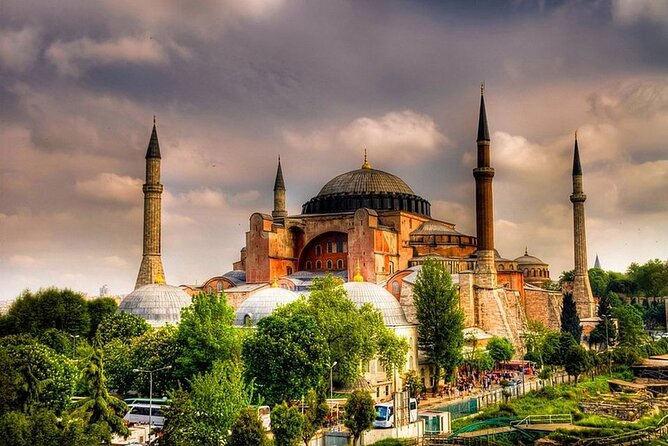
Hagia Sophia receives more time, about 90 minutes. Its story covers church, imperial monument, museum, and mosque. The building’s importance is not only Christian or Muslim. It is also one of the world’s key architectural landmarks, with layers of political and religious meaning that your local guide can place in context.
Topkapi Palace takes another 90 minutes. This was the Ottoman sultans’ imperial residence, with collections and architecture that help explain the power of the Ottoman court. The entrance fee is included, which saves you from handling tickets during a packed sightseeing day.
The day ends at the Grand Bazaar. With more than 4,000 shops, it is a good place to browse Turkish goods, but it can also feel intense and commercial. Give yourself permission to look without buying. If you do shop, compare prices and take your time.
The Bosphorus and the move to the Aegean coast
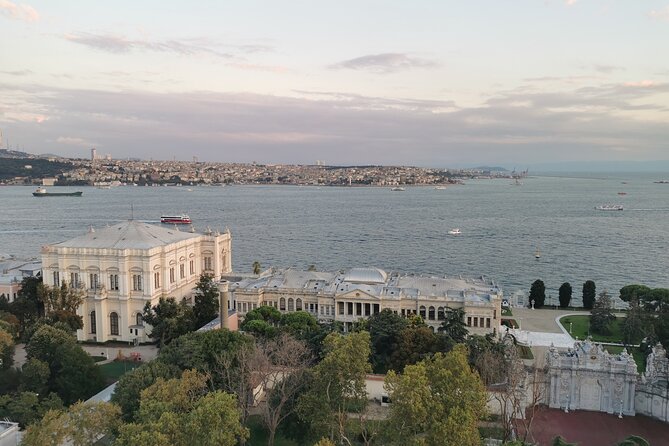
Day three begins on the water with a two-hour Bosphorus cruise. You pass Istanbul’s bridges, Dolmabahce and Beylerbeyi Palaces, Rumeli and Anadolu fortresses, and houses lining the strait.
This is one of the trip’s most relaxing sections. After the concentrated walking of the previous day, a boat gives you a broad view of Istanbul and shows why the city has always mattered as a link between Europe and Asia.
You then visit the Spice Market, a covered 17th-century market associated with Istanbul’s spice trade. It is smaller than the Grand Bazaar and easier to handle in an hour. Afterward, you transfer to the airport, fly to Izmir, and continue by road to Kusadasi.
That flight saves a huge amount of road time, but the day still involves several transfers. Keep essential items in your hand luggage and expect the rhythm to change from city walking to road travel.
Troy, Alexandria Troas, and Assos
Day four moves into western Turkey’s ancient sites. Troy is the famous starting point, with its replica wooden horse and the remains associated with Homer’s legendary city. The visit lasts about an hour, so you should see it as an introduction rather than a full archaeological study.
Alexandria Troas is smaller and more directly tied to the New Testament. According to the supplied biblical account, Paul sailed from here toward Greece, and the site is linked with the episode involving Eutychus in Acts 20. The stop is only about 30 minutes, but the connection gives the scattered ruins a clear purpose.
Assos is the final stop. Paul traveled overland from Alexandria Troas to Assos during the last part of his third missionary journey. You spend about an hour here, and the location helps you picture the difference between sea travel and the difficult roads used by ancient visitors.
These sites will not satisfy someone who wants grand, fully restored monuments at every stop. They are valuable because the setting is quieter and the biblical references are specific. This is where a good guide makes a real difference.
Same city, a completely different kind of day:
- Istanbul: Daytime or Sunset Sightseeing Cruise & Audio Guide
★ 4.8 · 14,430 reviews - Istanbul: Bosphorus Dinner Cruise with Turkish Night Show
★ 4.8 · 10,127 reviews - Istanbul: Basilica Cistern Fast-Track Entry and Audio Guide
★ 4.6 · 7,521 reviews - Istanbul: Hagia Sophia Skip-the-Line Ticket & Museum Option
★ 3.7 · 4,958 reviews
Pergamon, Thyatira, and Smyrna
Day five includes a three-hour drive from Assos to Pergamon. That is a serious stretch of road, but it leads to one of the tour’s most important ancient cities.
At Pergamon, you visit the Acropolis, the Temple of Athena, the library area, the theater, the Temple of Trajan, the Zeus Altar site, the Serapis Temple, and the Red Courtyard. The ruins show Pergamon as a major center of power, religion, learning, and spectacle.
Pergamon is one of the Seven Churches of Asia in Revelation. The passage refers to it as the place of Satan’s throne, a phrase your guide can discuss against the city’s temples and imperial setting. Allow 90 minutes, though you may wish you had longer. The site’s uphill terrain also adds to the physical demand.
Akhisar is ancient Thyatira, another of the Seven Churches. The connection with Lydia, the seller of purple from Acts 16, gives this short stop a human angle. You spend about 45 minutes here, and the remains are less dramatic than Pergamon or Ephesus.
The day ends in Izmir, ancient Smyrna. Izmir is modern Turkey’s third-largest city and a useful reminder that biblical places are not all silent ruins. Smyrna received a letter in Revelation 2 that speaks of hardship, endurance, and hope. You have about an hour to connect the ancient name with the modern city.
Sardis, Philadelphia, and Pamukkale
Sardis comes on day six. It was the capital of ancient Lydia and one of the Seven Churches. The site includes the gymnasium, a large Jewish synagogue, the Temple of Diana, and an early church. At 90 minutes, the visit gives you enough time to see the main remains without turning the day into a marathon.
Next is Philadelphia, now Alasehir. The ancient city was founded after 189 BC and is associated with the church addressed in Revelation 3. The stop lasts about 30 minutes and is more about location and biblical context than a long walk through intact ruins.
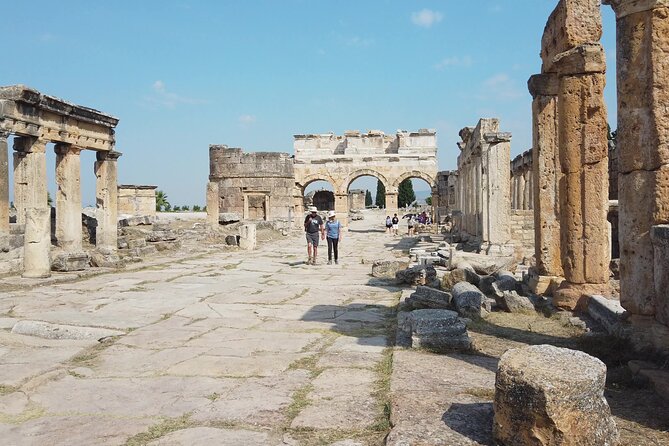
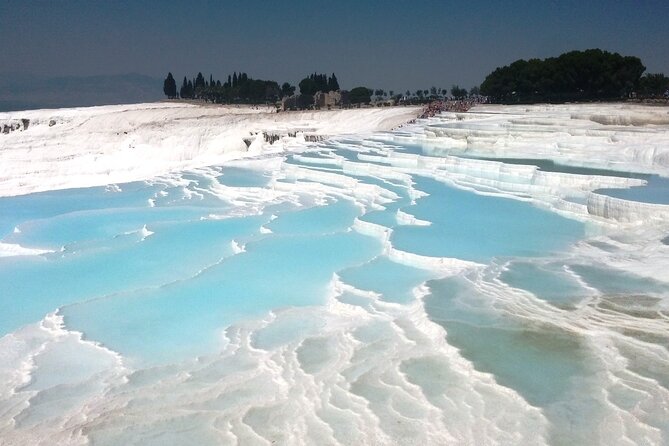
Pamukkale provides a dramatic change. Mineral-rich thermal water formed the famous white travertine terraces, while nearby Hierapolis grew as a Roman spa city. You visit the Gate of Domitian, Arcadian Way, the necropolis, the theater area, and the site associated with the tomb of Apostle Philip.
The ancient necropolis stretches for about two kilometers, so you will not see every detail in a short visit. The white terraces are also a major attraction in their own right. Pamukkale can be visually striking, but it is best appreciated with sensible footwear and enough energy for uneven surfaces.
Laodicea and the quiet remains of Colossae
Day seven begins at Laodicea, the lukewarm church of Revelation. The ruins include Christian remains, an aqueduct, stadium, Ephesian Gate, and a statue of Emperor Augustus. The biblical language gives this otherwise broad archaeological site a sharp focus.
You spend about 90 minutes here. Laodicea rewards attention to scale and layout, though some visitors may find it less immediately spectacular than Ephesus.
Colossae is a different kind of stop. The ancient city remains largely unexcavated, and the visit takes about 30 minutes. It was the destination of Paul’s letter to the Colossians, and Philemon is also associated with the city.
Do not book this tour expecting every biblical city to look like a polished ruin park. Colossae is important because of its place in the written record, not because it offers a long list of visible monuments. After the stop, you face about three hours of driving back toward Kusadasi.
Ephesus brings the story together
Day eight is one of the strongest days of the tour. Ephesus combines major archaeology with direct New Testament connections.
You spend about two hours around the ancient city, seeing the Baths of Scholastica, Library of Celsus, Temple of Hadrian, theater, and the site of the Temple of Artemis. The theater is especially meaningful in connection with Paul’s time in Ephesus and the disturbance described in Acts 19.
The scale is impressive, but the walking surface can be uneven and exposed. Wear shoes with good support, carry water, and listen carefully to your guide. Ertunga and Umut have been praised for explaining how Acts and Revelation relate to what you are seeing, rather than treating the ruins as disconnected stones.
Meryemana, known as the House of the Virgin Mary, follows. It is traditionally believed to be the place where Mary lived during her final years. The stop lasts about 45 minutes and has a quieter, devotional mood.
The Basilica of St. John is next. Built by Justinian I in the sixth century, it was placed over the believed burial site of John the Apostle. You spend another 45 minutes here before transferring to Izmir airport for the flight to Cappadocia.
That is a full day followed by airport logistics. The advantage is that you cover three major Christian locations in one sweep. The cost is that you may arrive in Cappadocia tired.
Cappadocia’s cave churches and fairy chimneys
Day nine shifts from biblical geography to Cappadocia’s unusual religious and geological setting.
At Goreme Panorama, you get a short view over Goreme. The Goreme Open-Air Museum then provides the main historical visit. This UNESCO World Heritage Site preserves a rocky monastic settlement used from the fourth through the 13th centuries. Its cave churches and carved spaces show how Christian communities adapted to the soft volcanic rock.
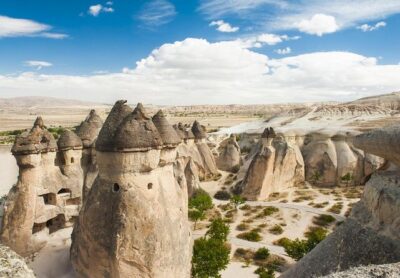
Pasabag, or Monks Valley, is known for its tall fairy chimneys. You have about 45 minutes to walk among the formations. It is a pleasant change after several days of formal ruins, although the ground can be uneven.
Avanos adds a living craft tradition. The town overlooks the Kizilirmak River and is known for pottery made from local clay. You can visit a pottery workshop, but the supplied details do not specify whether purchases are required, so treat it as a cultural stop rather than a shopping commitment.
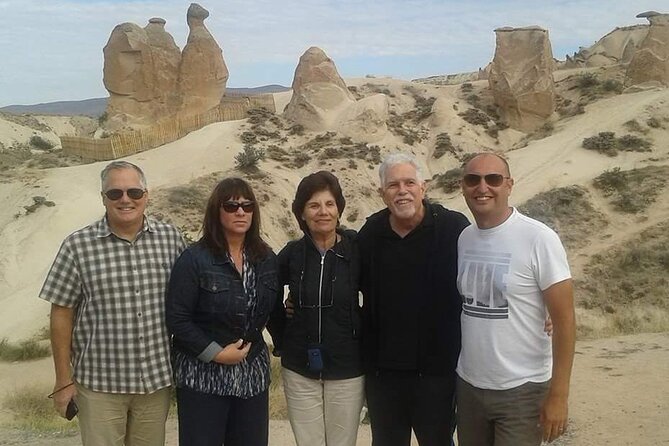
The final stop is Devrent Valley, also called Imaginary Valley. Its rock formations are often compared with animal shapes. The visit is short, but it gives you one more view of Cappadocia’s volcanic terrain.
Underground cities and Cappadocia’s valleys
Day ten starts underground at Kaymakli. Ancient residents built extensive subterranean cities to protect themselves from invading armies. Eight levels are known, though four are open to the public.
This is a memorable site, but it is not ideal for anyone uncomfortable in enclosed spaces. You should expect stairs, narrow passages, and a physically active visit. The entrance fee is included.
Red Valley offers a brief walk among vineyards and gardens. Cavusin follows, with its old Greek village, fifth-century Church of Saint John, and views toward the Rose and Red Valleys.
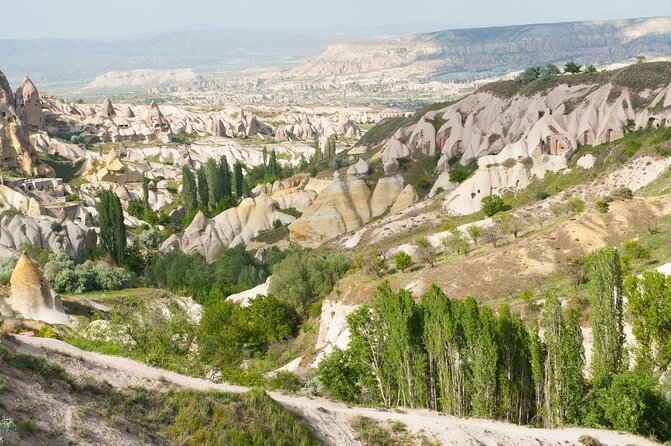
Pigeon Valley gets its name from the many dovecotes carved into the soft volcanic rock. Love Valley finishes the sightseeing, with unusual tower-shaped formations and sunset views. The day ends with a transfer to Kayseri airport and a flight back to Istanbul.
The Cappadocia section is not built around biblical figures in the same direct way as Ephesus or Laodicea. Its value is the setting: early Christian monastic life, cave worship, village traditions, and unusual geology. It also gives the tour a welcome visual change at the end.
What the $3,604.57 price covers
At $3,604.57 per person, this is a major purchase. The value depends on how much planning you would otherwise do yourself.
The package includes private transport, guiding, entrance fees, parking, hotels selected from available options, eight lunches, and the Cappadocia to Istanbul flight. The route also includes the Izmir to Cappadocia flight, according to the included travel arrangements described for the tour.
That is a lot of coordination across 10 days. You are not just paying for sightseeing. You are paying to connect airports, hotels, long road sections, site entrances, and local guides without having to arrange each piece yourself.
Dinners are not included, and neither are gratuities or the Cappadocia hot-air balloon ride. The tour is called all-inclusive in its description, but you should read that as all-inclusive for the listed touring services, not every meal or optional activity.
Who should book this experience
I would choose this tour if you want biblical context first and conventional sightseeing second. It suits couples, families, church groups, and small private parties who want to discuss Acts and Revelation while standing at the related sites.
It also suits anyone who values a guide and driver. Staff members such as Ertunga, Umut, and drivers including Vecdi, also called Veggie, and Ismail have been associated with warm, flexible service. Some guests have described comfortable Mercedes touring vans, onboard Wi-Fi, fresh fruit, snacks, and drinks on longer journeys, though these details may vary by departure.
I would hesitate if you dislike long drives, early starts, archaeological ruins, or changing hotels. The tour covers a great deal of ground. You should also be comfortable with a moderate fitness level and walking over uneven terrain.
Free cancellation is available if you cancel at least 24 hours before the local start time. Children must be accompanied by an adult, and the activity is offered in English.
Should you book the Turkey Biblical Tour?
Book it if you want a private, carefully connected journey through Turkey’s biblical sites, and if you value having someone else handle the transport and timing. The strongest parts are Ephesus, Pergamon, Sardis, Laodicea, and the chance to place Paul and the Seven Churches in their actual settings.
Think twice if you want a relaxed holiday. Ten days here means airports, road hours, ruins, hills, and full sightseeing schedules. For the right person, that effort is the point: you return with a much clearer sense of how Turkey’s ancient cities, Christian communities, Ottoman monuments, and modern towns fit together.
FAQ
How long is the Turkey Biblical Tour?
The tour lasts approximately 10 days, beginning with an airport transfer and hotel stay in Istanbul and ending with a flight from Cappadocia to Istanbul.
Is this a private tour?
Yes. Only your party and the guide and driver participate in the private activity.
What languages are offered?
The tour is offered in English.
What is included in the price?
The package includes private transport, guiding, entrance fees, parking fees, hotels from the available options, eight lunches, and the listed domestic flights, including Cappadocia to Istanbul.
Are dinners included?
No. Dinners are not included.
Is the hot-air balloon ride included?
No. A hot-air balloon ride in Cappadocia is an optional extra and is not included in the tour price.
Where does pickup take place?
Pickup is arranged from your hotel lobby or the airport.
Is this tour physically demanding?
A moderate level of physical fitness is required. The route includes archaeological sites, valleys, walking areas, stairs, and the underground passages at Kaymakli.
Can I cancel for a full refund?
Yes, if you cancel at least 24 hours before the experience start time. Cancellations made less than 24 hours in advance are not refunded, and changes within that period are not accepted.
Just added around Istanbul
- Whirling Dervish Ceremony★ 4.5 · 35 reviews
- Istanbul:Whirling Dervish Ceremony, Mystical Sufi Experience★ 4.1 · 17 reviews
- Turkish Dance Show at Hodjapasha Cultural Centre in Istanbul★ 4.7 · 56 reviews
- Turkish Tapas – Meze Cooking for Beginners in Istanbul★ 4.5 · 16 reviews
- Istanbul Sultanahmet Turkish Bath Sultan Suleyman Bath★ 3.7 · 38 reviews
- Turkish Marbling Paper Ebru Art Workshop★ 5.0 · 44 reviews
- Turkish and Islamic Arts Museum: Entry Ticket & Audio Guide★ 4.2 · 19 reviews
- Flying Dress Photography on an Iconic Rooftop in Istanbul★ 5.0 · 87 reviews
Private, compared.
Bosphorus Dinner Cruise & Show with Private Table
Read our review →
Best of Istanbul 1, 2 or 3-Day Private Guided Istanbul Tour
Read our review →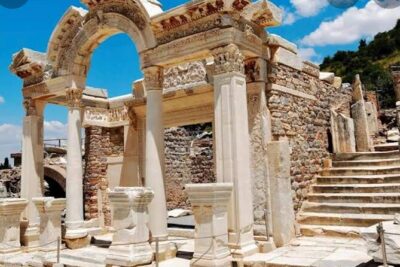
FOR CRUISERS: Skip The Lines PRIVATE EPHESUS TOUR &On Time Return
Read our review →
Private Turkish Bath, Massage, and Spa in Old City
Read our review →
For Ship Guests:BEST SELLER EPHESUS PRIVATE TOUR & On Time Return
Read our review →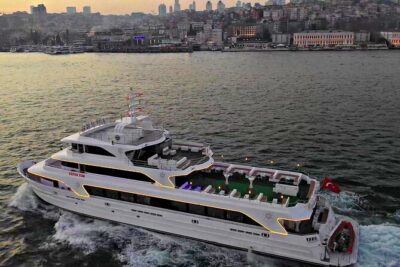
Bosphorus Dinner Cruise with Show and Private Table
Read our review →
Private Transfer from Istanbul Airport to Fatih, Beyoglu and Besiktas
Read our review →