
Reviewed · CANAKKALE TOURS
Canakkale: Full-Day Troy and Gallipoli Tour
Troy and Gallipoli make an unusual pair: one takes you into the age of Homer, the other into the trenches of World War I. In a single day from Canakkale, you walk past 3,000-year-old houses in Troy, then stand at beaches and memorials tied to the ANZAC campaign.
I like the strong guiding and the way the tour removes transport hassles. I also like that ferries, lunch, Troy admission, and hotel pickup are included. The main drawback is the pace: you spend about two hours at Troy and four and a half hours around Gallipoli, with frequent trips on and off the minibus.
- Troy’s nine archaeological layers turn a pile of stones into a readable story of repeated cities.
- Two separate guides usually lead the day, allowing each guide to focus on Troy or Gallipoli.
- Gallipoli’s ANZAC sector includes ANZAC Cove, Beach Cemetery, Lone Pine, The Nek, and Chunuk Bair.
- Ferries across the Dardanelles connect the Asian and European sides of the route.
- The $164 price covers transport, entrance, ferries, lunch, and guiding, making it useful for a tight schedule.
- Pickup is available from listed Canakkale hotels, but you should confirm the exact meeting point and time with the operator.
In This Review
- Why Troy and Gallipoli Work in One Long Day
- From Canakkale Hotels to Troy’s Nine Cities
- Troy: Turning Ruins Into a Story
- Crossing the Dardanelles to Eceabat
- Gallipoli’s ANZAC Sector, Stop by Stop
- Brighton Beach and ANZAC Cove
- Arıburnu Cemetery and Beach Cemetery
- Lone Pine Memorial
- The Nek and Chunuk Bair
- The Guides Make or Break Troy
- Is $164 a Fair Price?
- Pace, Comfort, and Practical Limits
- Who Should Book This Canakkale Day Trip?
- Should You Book It?
- FAQ
- How long does the Troy and Gallipoli tour last?
- Where does pickup take place in Canakkale?
- What language is the tour conducted in?
- How long is the guided visit at Troy?
- How many cities can you explore at Troy?
- Is the Troy entrance fee included?
- Are the ferry crossings included?
- Is lunch included?
- Which Gallipoli sites are included?
- Is the tour suitable for wheelchair users?
Why Troy and Gallipoli Work in One Long Day
This is not a light sightseeing outing. It is a history day, with two very different chapters separated by a ferry ride and lunch.
Troy is about legend, archaeology, and the remains of several cities built on the same hill. Gallipoli is about military planning, loss, memory, and the human cost of a campaign that shaped modern Turkey, Australia, and New Zealand.
The contrast gives the day its force. At Troy, you try to match Homer’s stories with walls, gates, and house foundations. At Gallipoli, you hear how soldiers moved across beaches and ridges that look peaceful today. The same ground carries stories from very different eras.
You should choose this tour if you want context as you walk. Troy can be confusing without help, and Gallipoli can feel like a series of quiet roads and memorials unless someone explains what happened at each stop. The guides are the key part of the experience. Past guides have included Charlie, Burak, Hasan, Ibrahim, Mohammed, Cindy, and others, so your exact pair will depend on the day.
The tour has earned a 4.8 rating from 79 reviews, with the strongest praise aimed at the guides, organization, and Gallipoli commentary. That does not mean every guide has the same style. Some are lively and humorous, while others are more reserved, but the overall format is built around detailed explanations.
From Canakkale Hotels to Troy’s Nine Cities
The day begins with pickup from a listed hotel in Canakkale. Pickup points include Grand Anzac Hotel, Hotel Helen, Aspen Hotel, Büyük Truva Oteli, Hotel Akol, Hotel Limani, Kervansaray Canakkale, Hotel Kale 17, Kule Hotel, Anzac Hotel, Artur Otel, and Çanakkale Moonlight Pension.
Confirm your exact pickup time and location before the morning. The instructions ask you to wait in the hotel lobby five minutes early, and one past booking had an issue with drop-off arrangements. The advertised service includes pickup and drop-off from participating hotels, but if you add a hotel address late or stay outside the listed area, you may instead be directed to the port or another central meeting point.
The drive to Troy takes about 30 minutes. You first travel in an air-conditioned, non-smoking vehicle with a driver, then meet the Troy guide at the site. This changeover is normal for the tour and lets the guide concentrate on the ruins rather than spend the morning driving.
A few more Turkiye trips to weigh up
- Full Day Cappadocia Red and Green Combined Day Tour
★ 4.7 · 1,998 reviews - Full Day Cappadocia Tour( Red Tour + Underground City )
★ 5.0 · 1,862 reviews - Istanbul: Full-Day Highlights Tour with Guide and Lunch
★ 4.6 · 1,662 reviews
Troy: Turning Ruins Into a Story
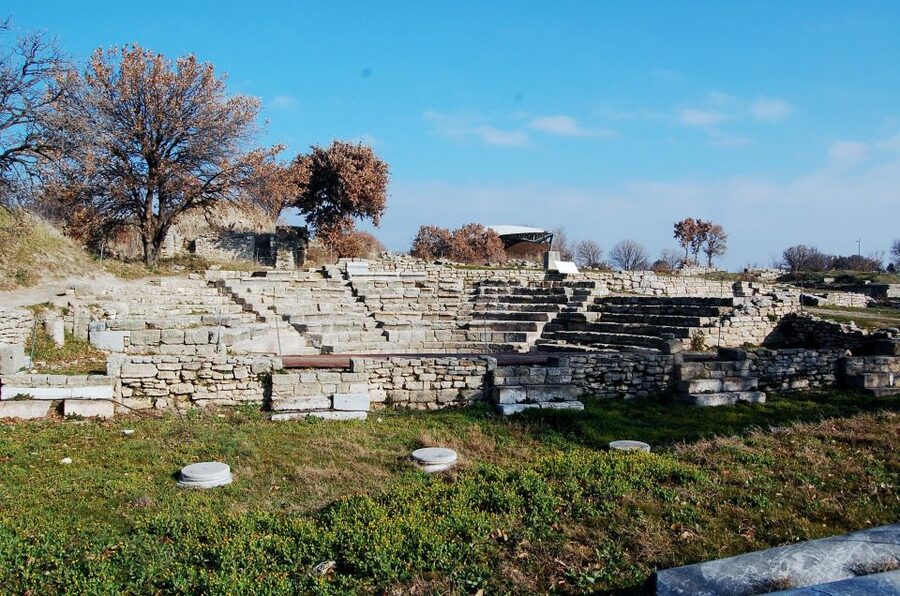
You get about two hours at Troy. That is enough for a guided introduction and a walk through the major remains, but it is not enough for a slow archaeological study.
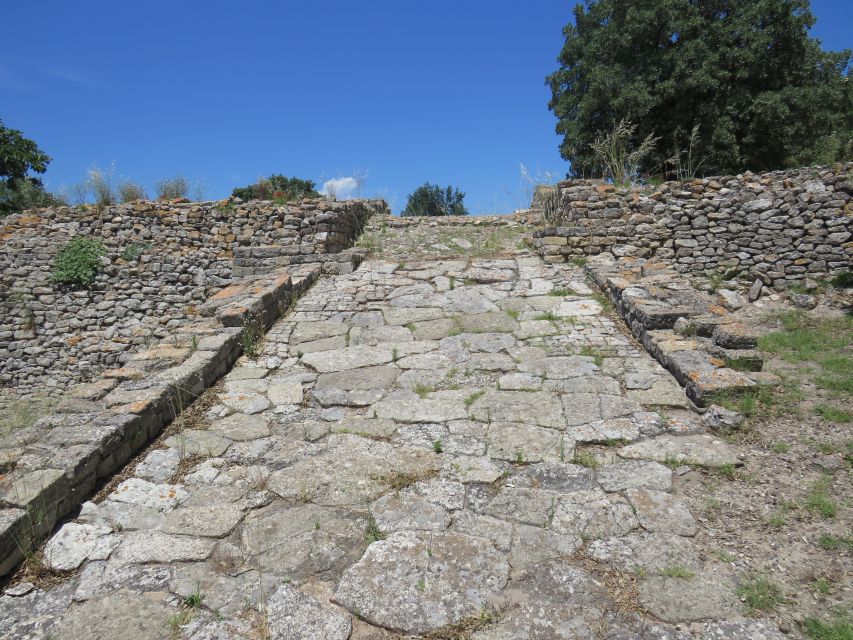
The site is famous because it may connect to the Trojan War described by Homer. The history is more complicated than the familiar tale of Helen, Paris, Achilles, and the wooden horse. Troy contains nine major city layers, with later settlements built over earlier ones. Your guide explains how archaeologists identify these phases and how excavation changed the way people understood the legendary city.
The story of Heinrich Schliemann is part of the visit. His excavations in the 1870s helped bring Troy to worldwide attention, although early excavation methods damaged parts of the site and his conclusions about the exact Homeric city remain disputed. A good guide helps you separate the epic poem, later traditions, and evidence in the ground.
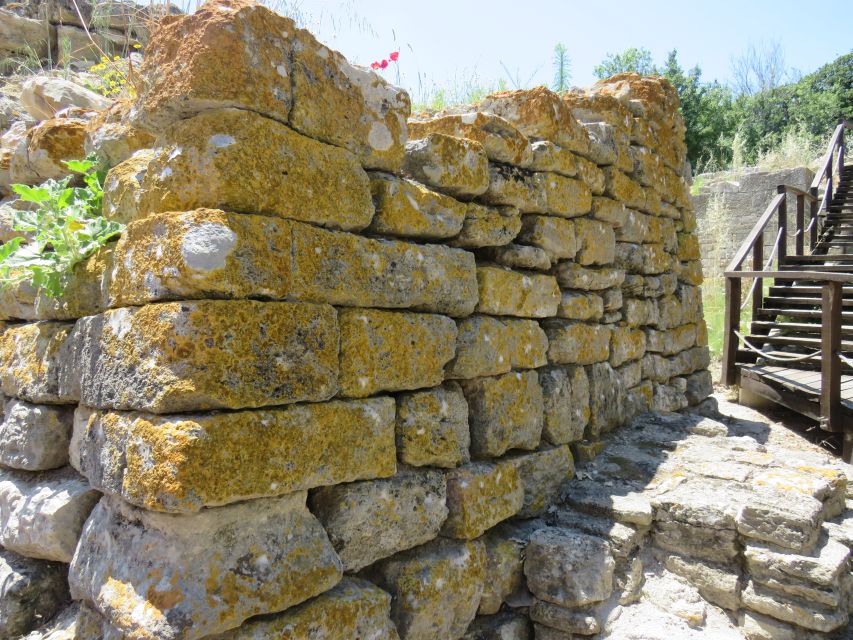
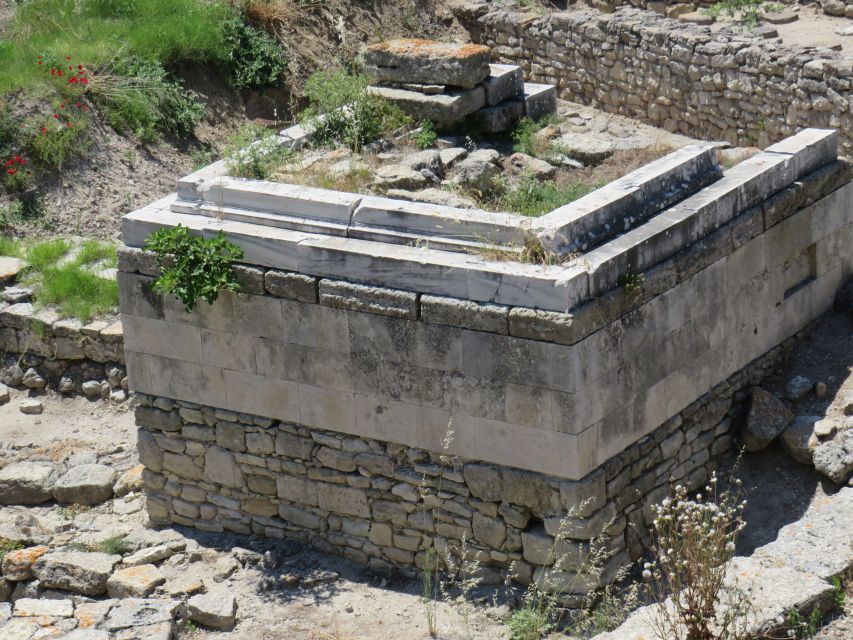
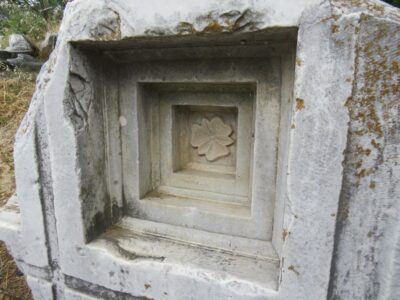
The surviving walls are the most immediately impressive feature. They show that this was a defended settlement, not just a literary invention. You can also pass the foundations and remains of ordinary homes, which offer a more human view of Troy than the war story alone.
I find those everyday structures especially useful. The walls tell you about power and danger. The houses suggest cooking, storage, family life, and routine. Walking along the same routes used by people thousands of years ago gives the site scale, even when the ruins themselves require imagination.
The famous wooden horse reconstruction near the entrance is useful as a visual reminder of the legend, but do not confuse it with an ancient survivor. The archaeological site itself is the main event, and it can look modest if you arrive expecting intact temples or grand standing buildings.
That is the chief Troy warning. Without a guide, you might see scattered stones and low walls. With a strong explanation, the hill becomes a layered city with changing rulers, rebuilding, damage, and discovery. Guides such as Charlie and Burak have been praised for using mythology alongside plain archaeological facts, which is exactly the approach Troy needs.
If Troy is your main reason for booking, keep your expectations realistic. One past participant wanted more time there and less at Gallipoli. The schedule gives the larger block of time to the peninsula because Gallipoli involves many separate stops, but Troy still receives a proper guided visit rather than a quick photo stop.
Crossing the Dardanelles to Eceabat
After Troy, you return by van to Canakkale, a drive of roughly 30 minutes. You then board a ferry for the crossing from Asia to Europe.
The ferry ride takes about 25 minutes. It is not only a transfer. The Dardanelles are central to the geography of both Troy and Gallipoli, and the crossing helps you understand why this waterway mattered so much to ancient powers and modern armies.
You have lunch in Eceabat, with about one hour set aside. Restaurant lunch is included, but drinks are not, so bring some Turkish lira or another payment method for beverages. Dinner is not part of the tour, which is reasonable given the advertised 10-hour day.
The lunch break also resets the day. Troy requires patience and imagination. Gallipoli asks for attention to military movements, memorials, and personal stories. You will want the pause before the afternoon begins.
Gallipoli’s ANZAC Sector, Stop by Stop
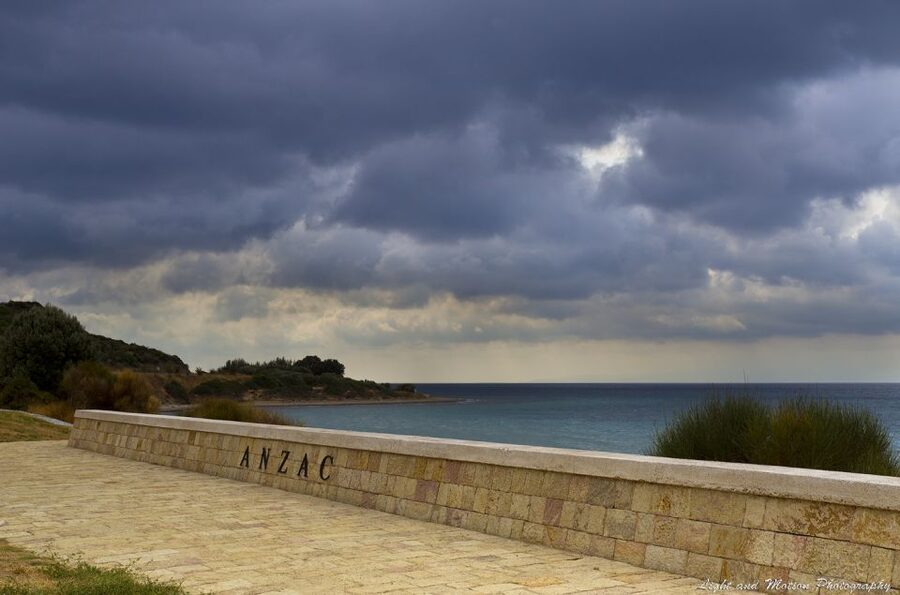
The afternoon lasts about four and a half hours and focuses on the ANZAC sector of the Gallipoli Peninsula. You visit 11 points of interest, so expect repeated short walks, brief explanations, and returns to the air-conditioned minibus.
That structure is practical but tiring. You cover a lot of ground, and the vehicle keeps the route manageable. At the same time, getting out and back in at many stops can test your patience, especially in hot weather or when the group is large.
The guide’s job matters here. The peninsula can appear quiet and almost ordinary. A good explanation shows where troops landed, how the terrain shaped the fighting, and why a particular cemetery or ridge became important.
Same city, a completely different kind of day:
- Istanbul: Bosphorus Dinner Cruise & Show with Private Table
★ 4.8 · 44,561 reviews - Istanbul: Daytime or Sunset Sightseeing Cruise & Audio Guide
★ 4.8 · 14,430 reviews - Istanbul: Bosphorus Dinner Cruise with Turkish Night Show
★ 4.8 · 10,127 reviews - Best of Istanbul 1, 2 or 3-Day Private Guided Istanbul Tour
★ 5.0 · 8,922 reviews
Brighton Beach and ANZAC Cove
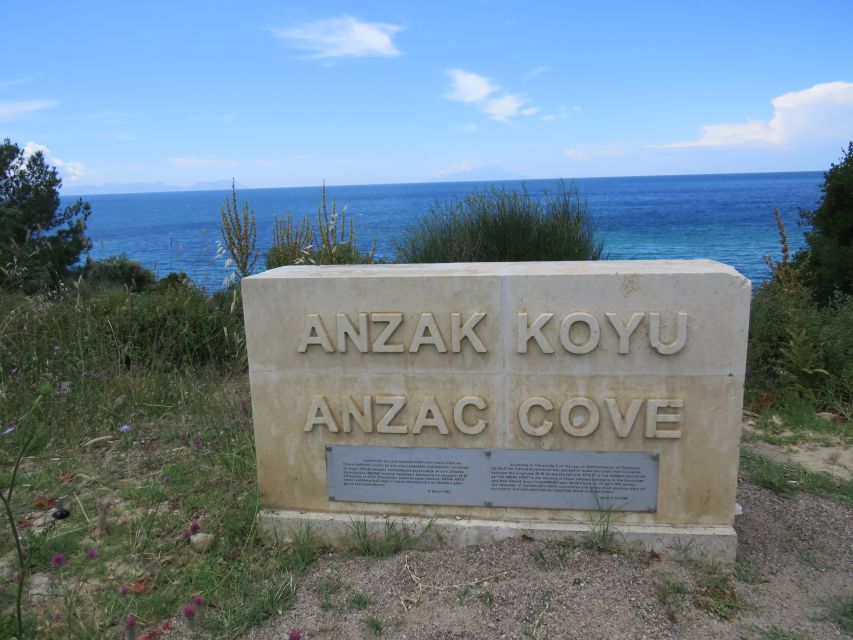
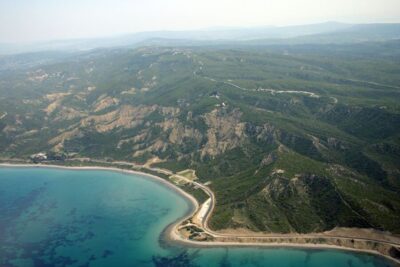
Brighton Beach and ANZAC Cove introduce the landing area. ANZAC troops first came ashore here and established their base during the 1915 campaign.
The physical setting makes the military story easier to grasp. You can see the relationship between the coast and the steep ground behind it, then listen as the guide explains the problems faced by Australian and New Zealand troops. The distance between beach, ridge, and defensive positions becomes more meaningful when you are standing there.
This is also where the tour becomes personal. Gallipoli is not treated only as a battle on a map. The guide discusses the fateful experiences of the troops and the heavy losses on both sides.
Arıburnu Cemetery and Beach Cemetery
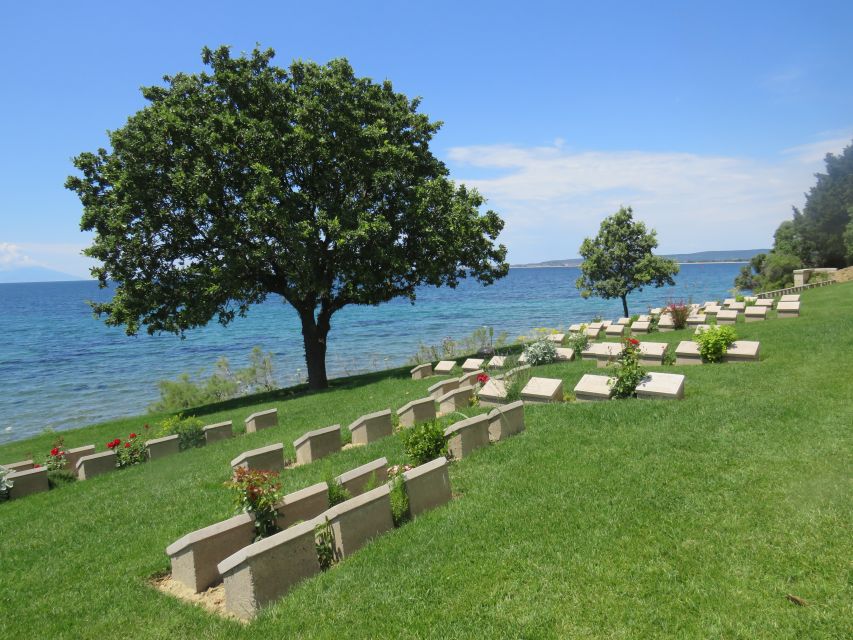
Arıburnu Cemetery and Beach Cemetery bring the scale of the casualties into sharper focus. These are quiet places, and you should expect the tone to become more reflective.
Beach Cemetery contains the graves of soldiers who died during the campaign. The cemeteries are not simply scenic stops. They put names, dates, and individual lives beside the larger military story.
The tour also deals with remembrance. The Commemorative Site is where ANZAC Day ceremonies are held, linking the battlefield to the annual act of memory that continues today.
Be respectful at these stops. Guides may use humor during the driving portions or while explaining complicated events, but the memorials call for a quieter approach. The best guiding balances clear facts with sensitivity, and several guides have been praised for doing that well.
Lone Pine Memorial
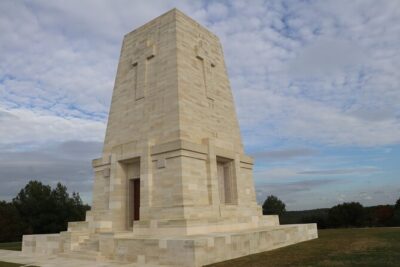
Lone Pine is one of the major memorials on the peninsula. It commemorates servicemen of the former British Empire who died in the campaign and have no known grave.
This stop often carries particular weight for Australian visitors, but it is not only for Australians. The memorial connects the campaign to the wider British Empire and to the many families who never received a marked burial place for a lost relative.
Allow yourself time to look around rather than treating Lone Pine as another quick stop. The schedule is full, but the emotional value of Gallipoli comes from pausing long enough to understand what the memorial represents.
The Nek and Chunuk Bair
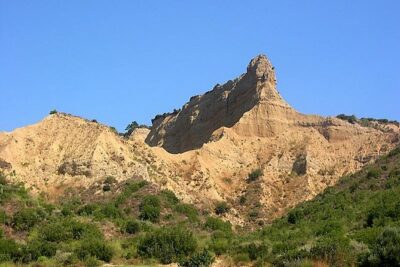
The Nek and Chunuk Bair are among the most important battlefield points on the route. Your guide explains the actions that took place there and how the terrain affected the campaign.
These locations show why a guide is so useful. The battlefield does not come with visible arrows showing troop movements or the positions of opposing forces. You need someone to point out the ground, describe the sequence of events, and explain why a small ridge or narrow area mattered.
One of the strongest features of the Gallipoli portion is that the explanation covers both the Turkish and ANZAC sides. That balance is important. The campaign is remembered differently in Turkey, Australia, and New Zealand, and a responsible guide gives you more than a single national viewpoint.
Some guides, including Burak and Hasan, have been praised for combining precise history with humor and personal engagement. Other guides may be quieter, but the stated focus remains the same: the ANZAC campaign, its battles, and its memorials.
The Guides Make or Break Troy
I would not book this day simply to collect two famous place names. I would book it for the interpretation.
Troy needs someone who can connect mythology, excavation, and the nine settlement layers without making the site feel like a classroom. Gallipoli needs someone who can explain troop movements and political context while preserving the dignity of cemeteries and memorials.
The tour generally uses one guide for Troy and another for Gallipoli. That is a strength because the two sites require different kinds of storytelling. It can also create an uneven day if one guide is more engaging than the other.
Guides named in past tours include Charlie, Burak, Hasan, Ibrahim, Cindy, Mohammed, and others. Guests have described them as funny, passionate, diplomatic, friendly, and well prepared. The exact experience will depend on who is assigned, but the company has a strong record of pairing the route with guides who know the places well.
The minibus group also affects the feel of the day. A friendly group makes the ferry rides and repeated transfers easier. The tour is designed to keep everyone together, and guides have been praised for doing that without losing track of the history.
Is $164 a Fair Price?
At $164 per person, this is not the cheapest way to see Troy and Gallipoli. The price is easier to justify when you add up what it covers:
- Hotel pickup and return to listed Canakkale hotels
- Air-conditioned, non-smoking transportation
- A professional English-speaking guide
- Troy entrance
- Both ferry crossings
- Restaurant lunch
The included ferries matter because the route crosses between the Asian and European sides of the Dardanelles. The included entrance and lunch also reduce small decisions during a long day.
The real value is time. Doing both places independently requires arranging transport to Troy, understanding the ferry connections, finding your way around the peninsula, and learning what you are looking at. You may save money on paper but lose much of the day to planning and navigation.
I would consider the price good value if you have only one full day in Canakkale and want both sites. It is less compelling if Troy is your sole priority, since the schedule gives more time and attention to Gallipoli. It is also less suitable if you prefer independent visits with long, unstructured stops.
Tips are not included, and drinks at lunch cost extra. Those are minor additions, but plan for them.
Pace, Comfort, and Practical Limits
The tour lasts about 10 hours. That includes driving, two ferry crossings, lunch, two guided visits, and 11 Gallipoli stops. You should expect a full day rather than a relaxed outing.
The air-conditioned vehicle is welcome, particularly in summer. The ferry rides provide short breaks from the minibus, and lunch gives you a proper pause. Still, you will be walking at archaeological ruins, cemeteries, and battlefield sites, so comfortable shoes are sensible.
Wheelchair users cannot take this tour. The combination of archaeological ground, battlefield stops, vehicle transfers, and ferry access makes the route unsuitable for wheelchair users according to the activity information.
The tour is conducted in English. You should also confirm the exact start time because availability changes by date. Free cancellation is available up to 24 hours before departure, and you can reserve while paying later, which helps if your Canakkale plans are still shifting.
One practical point deserves extra attention: verify drop-off. The listed return locations include the same group of Canakkale hotels, but a past booking ended at the port when the accommodation arrangement was not matched correctly. Do not assume a hotel return if your booking confirmation names a central meeting point.
Who Should Book This Canakkale Day Trip?
This tour suits you best if you:
- Want Troy and Gallipoli in one day
- Prefer a guide to explain ruins and battlefields
- Have limited time in Canakkale
- Have a strong interest in ancient history or World War I
- Are comfortable with a busy schedule and repeated minibus stops
- Want transport, ferries, lunch, and admission handled together
It is especially useful for Australian and New Zealand visitors interested in the ANZAC story, but the Gallipoli section is not limited to that perspective. It also works well for British visitors and anyone interested in the wider campaign.
You may want another arrangement if you want to explore Troy slowly, visit parts of Gallipoli outside the ANZAC sector, or spend more time at the British landing beaches. The route described here concentrates on ANZAC sites, and one past participant specifically wished for more British landing beaches.
Should You Book It?
Book this tour if you want the most efficient, guide-led introduction to Troy and Gallipoli from Canakkale. Gallipoli is likely to be the emotional highlight, while Troy rewards you most when the guide turns its low walls and house foundations into a clear story.
The day is long, and the constant loading and unloading can wear you down. But the combination of expert explanation, included transport, ferries, lunch, and entrance makes the $164 cost reasonable for a first visit.
If you want ancient Troy and the Gallipoli battlefields without handling a complicated day on your own, I would book it. If you want a slow archaeological visit or a wider tour of every Gallipoli sector, choose separate tours or allow more than one day.
FAQ
How long does the Troy and Gallipoli tour last?
The tour lasts about 10 hours, including transportation, ferry crossings, lunch, and the guided visits.
Where does pickup take place in Canakkale?
Pickup is available from listed Canakkale hotels, including Grand Anzac Hotel, Hotel Helen, Aspen Hotel, Büyük Truva Oteli, Hotel Akol, Hotel Limani, Kervansaray Canakkale, Hotel Kale 17, Kule Hotel, Anzac Hotel, Artur Otel, and Çanakkale Moonlight Pension.
What language is the tour conducted in?
The live tour guide service is in English.
How long is the guided visit at Troy?
The guided Troy visit lasts about two hours.
How many cities can you explore at Troy?
The tour explains nine different archaeological city layers at Troy.
Is the Troy entrance fee included?
Yes. Admission to the ancient city of Troy is included.
Are the ferry crossings included?
Yes. The ferry fees for the crossings are included in the tour price.
Is lunch included?
Yes. Restaurant lunch in Eceabat is included, but drinks must be paid for separately.
Which Gallipoli sites are included?
The route includes Brighton Beach, ANZAC Cove, Arıburnu Cemetery, Beach Cemetery, the ANZAC Day Commemorative Site, Lone Pine, The Nek, Chunuk Bair, and other points of interest in the ANZAC sector.
Is the tour suitable for wheelchair users?
No. The activity is not suitable for wheelchair users.
Just added around Turkiye
- Full Day Cappadocia Highlights Private Tour (Car and Guide )★ 5.0 · 61 reviews
- Cappadocia Sunrise Camel Safari★ 4.5 · 28 reviews
- Cappadocia South Tour (Pro Guide, Tickets, Lunch, Transfer incl)★ 5.0 · 208 reviews
- Cappadocia Romantic Dinner İn The Valley with Concept★ 4.5 · 17 reviews
- Cappadocia Shared Transfer From/To Kayseri or Nevşehir Airport★ 4.5 · 64 reviews
- Full day Cappadocia red tour with lunch★ 5.0 · 62 reviews
- Cappadocia Red Tour (with zelve Open Air Museum and Paşabağ)★ 5.0 · 50 reviews
- Red (North) Tour Cappadocia (small group) with lunch and ticket★ 5.0 · 173 reviews
Canakkale Tours, compared.
Gallipoli ANZAC Battlefields Tour from Canakkale
Read our review →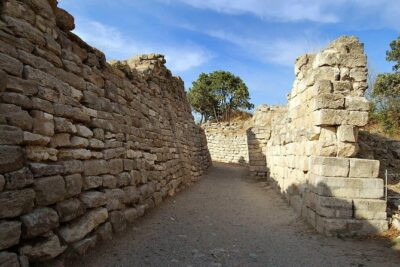
Full Day Troy & Gallipoli Tour ( From Canakkale )
Read our review →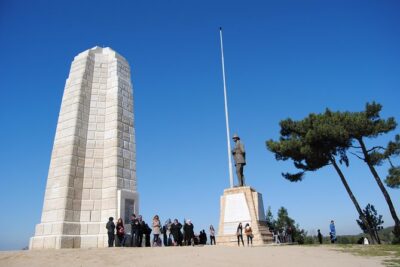
Browse the lists this tour appears in