
Reviewed · CANAKKALE TOURS
Troy and Gallipoli Day Trip from Canakkale
Troy and Gallipoli make an unusually powerful pairing: one site shaped by Homer’s war story, the other marked by the real suffering of 1915. In one long day, you move from ancient city walls and sacrificial altars to cemeteries where young soldiers from both sides now lie in peace.
I like the small maximum group of 15, which gives the guide room to explain what you are seeing instead of rushing through a script. I also like that lunch, entry fees, shared transport, and the ferry ride are bundled into the $250 price, making a complicated day easier to manage.
The main drawback is the pace. Troy and Gallipoli each deserve more time than a single day allows, and the 8:30 am start plus roughly 10-hour schedule will feel long. This is best for you if you want a strong first look at both places rather than a slow, detailed study of either one.
In This Review
- Key points at a glance
- Why Troy and Gallipoli belong in one day
- Leaving Canakkale at 8:30 am
- Walking through Troy’s nine layers
- What the guide adds at Troy
- Lunch in Canakkale before Gallipoli
- The Gallipoli battlefields and ANZAC Cove
- Cemeteries that change the tone
- Is the $250 price good value?
- Who should book this Canakkale tour?
- Practical details before you book
- Should you book Troy and Gallipoli?
- FAQ
- Where does the tour start?
- What time does the tour begin?
- Where does the tour end?
- How long does the experience last?
- Is hotel pickup included?
- Is lunch included?
- What language is the tour offered in?
- How many people can join the tour?
- Can the tour be canceled because of weather?
Key points at a glance
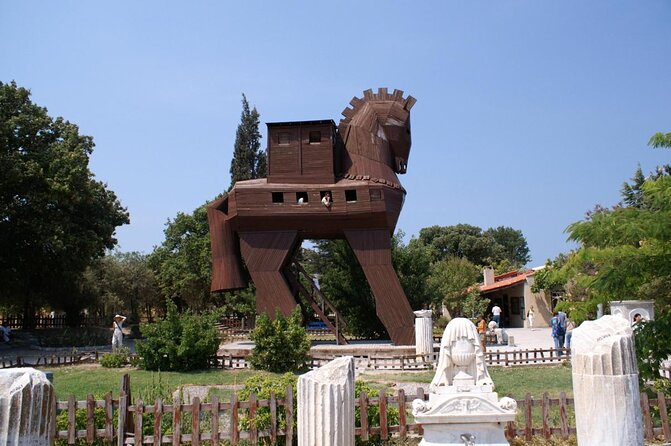
- Nine ancient cities at Troy: See layers dating from about 3,500 BC through Troy IX, including old walls, altars, the Odeon, and a replica wooden horse.
- Gallipoli’s most important sites: Visit Brighton Beach, ANZAC Cove, Johnston’s Jolly, the Nek, Walker’s Ridge, and Chunuk-Bair.
- A day built around context: Your English-speaking guide explains both Homer’s Trojan War and the 1915 Allied-Turkish campaign.
- Lunch in Canakkale included: A useful break separates the ancient ruins from the emotionally heavy Gallipoli sites.
- Practical shared transport: An air-conditioned minivan and ferry ride connect a wide area without requiring you to arrange local transport.
- Best for history-focused visitors: The day suits you if you value clear explanation, memorials, and major sites over free time.
Why Troy and Gallipoli belong in one day
At first glance, Troy and Gallipoli seem like unrelated stops. One is a Bronze Age city linked to Greek mythology. The other is a First World War battlefield. Yet both places are tied to war, memory, and the stories people tell about conflict.
Troy gives you the legendary version. Homer’s Iliad, an 8th-century BC epic, tells of the war between Greeks and Trojans after Paris, prince of Troy, took Helen. The familiar wooden horse belongs to that story, though the ruins themselves are far older than Homer’s poem.
Gallipoli gives you a documented and much more recent human story. In 1915, Allied forces fought Ottoman troops across the peninsula in a campaign that became especially important in the national memories of Turkey, Australia, and New Zealand.
I like the contrast. After hearing about Troy’s heroes, walls, and lost city, you spend the afternoon at places named for beaches, ridges, and military positions. The effect is not light entertainment. It is a day about how war becomes legend, archaeology, national memory, and personal grief.
A few more Turkiye trips to weigh up
- From Antalya/Kemer: Pamukkale & Hierapolis Day Trip w/Meals
★ 4.7 · 1,387 reviews - From Istanbul: Sapanca and Masukiye Day Trip with Lunch
★ 4.0 · 1,036 reviews - Rhodes: Marmaris Day Trip by High-Speed Boat
★ 4.0 · 818 reviews
Leaving Canakkale at 8:30 am
The tour begins at Anzac House Youth Hostel on Kemalpaşa, Cumhuriyet Boulevard, in central Canakkale. You need to get yourself to the meeting point because hotel pickup and drop-off are not included.
That detail matters. If you are staying in Canakkale, allow enough time to reach the hostel before the 8:30 am departure. The tour ends back at the same meeting point, so you do not need to arrange a second pickup later in the day.
The vehicle is an air-conditioned minivan, and the group can include up to 15 people. That is a useful middle ground. You get the efficiency of a shared tour without the scale of a large coach party. The minivan also makes the day practical, since Troy and the Gallipoli sites are spread out and not well suited to a casual walking plan from town.
A ferry ride is part of the transport. It is not just a minor travel detail. Crossing helps you understand the geography around Canakkale and the Dardanelles, the waterway that has shaped both local life and military campaigns.
Walking through Troy’s nine layers
The Troy stop begins with the site’s central mystery: this is not one city, but a stack of settlements built and rebuilt over thousands of years. Archaeologists have identified nine cities here, with the earliest dating to about 3,500 BC.
That can be difficult to grasp at ground level. You see stones, foundations, slopes, and partial walls rather than a complete ancient town. Your guide’s explanation is important because the site makes far more sense once you understand which remains belong to which period.
You will hear about the first house of Troy, dated from roughly 3,000 to 2,500 BC. You will also see remains connected with later phases, continuing through Troy IX. The layers show how people repeatedly returned to this location, repaired it, changed it, and built over what came before.
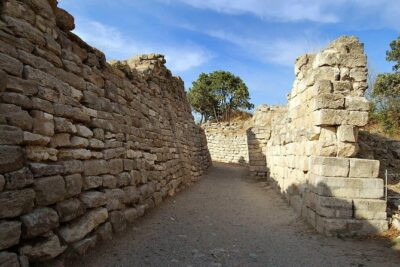
Among the details highlighted during the visit are sacrificial altars and city walls said to be about 3,700 years old. These fragments help move Troy beyond the simple image of a wooden horse. The site is not only a setting from mythology. It is also an archaeological record of long-term settlement.
The Odeon, or concert hall, is another key feature. It gives you a clearer sense of civic life and reminds you that ancient cities were not only defensive positions. They had places for music, public gatherings, and performance.
You will also see a replica of the wooden Trojan Horse associated with the sack of the city. It is a modern reconstruction, not an ancient survival, but it helps connect the physical ruins with the famous story. Expect a more visual, approachable moment here after studying foundations and walls.
The main limitation at Troy is that ruins require imagination. If you arrive expecting a fully rebuilt city, you may find the remains modest. I find the site more rewarding when you treat it as a puzzle and let the guide supply the missing connections.
What the guide adds at Troy
Troy is one of those places where a guide can change the entire experience. Without context, the scattered stones may seem hard to read. With a clear explanation of the nine cities, the site becomes a record of time rather than a pile of ruins.
The tour is offered in English, and the guide covers both the archaeological discoveries and the literary story. You will learn about the excavations that began in the 1870s and about the fact that work continues today.
That combination is valuable. You are not asked to choose between Homer and archaeology. You can appreciate the Iliad as a great work of literature while also looking at the physical evidence left by successive settlements.
One guide praised for this experience is Ercan, whose approach was described as warm, scholarly, and skilled. That points to the kind of leadership that suits Troy: someone who can explain technical details without losing the human story.
Same city, a completely different kind of day:
- Istanbul: Bosphorus Dinner Cruise & Show with Private Table
★ 4.8 · 44,561 reviews - Istanbul: Daytime or Sunset Sightseeing Cruise & Audio Guide
★ 4.8 · 14,430 reviews - Istanbul: Bosphorus Dinner Cruise with Turkish Night Show
★ 4.8 · 10,127 reviews - Best of Istanbul 1, 2 or 3-Day Private Guided Istanbul Tour
★ 5.0 · 8,922 reviews
Lunch in Canakkale before Gallipoli
After Troy, the tour returns to Canakkale for lunch. Lunch is included, while drinks are not, so bring money if you want anything beyond the meal.
This pause is well placed. Troy asks you to concentrate on layers, dates, and myth. Gallipoli is more direct and emotional. Eating in town gives you a physical break before the afternoon turns toward battlefield ground and military cemeteries.
The meal is also one of the more local parts of the schedule. You eat in a Canakkale restaurant rather than treating the whole day as roadside sightseeing. The available description identifies the food as Turkish cuisine and places lunch in the company of local diners.
Do not expect a long, leisurely restaurant afternoon. With Gallipoli still ahead, this is a practical midday stop. Still, it helps divide the day into two clear chapters.
The Gallipoli battlefields and ANZAC Cove
The afternoon focuses on the 1915 Allied-Turkish campaign. Your guide explains the battles as you travel between beaches, ridges, memorials, and cemeteries.
ANZAC Cove is one of the central stops. The name is linked to the Australian and New Zealand Army Corps, whose landing here became a defining episode of the campaign. Seeing the narrow coastal setting helps you understand why place matters in military history. Names that can sound abstract in a book become physical locations with limited space and difficult ground.
Brighton Beach is also included, along with Johnston’s Jolly, the Nek, and Walker’s Ridge. Each site adds another piece to the campaign, from landing areas to positions where fighting became especially severe.
Johnston’s Jolly and the Nek are not simply scenic viewpoints. They are tied to combat positions and losses. The value of visiting several sites is that the campaign stops looking like one isolated event. You begin to see a connected area in which beaches, ridges, and defensive positions shaped what happened.
Chunuk-Bair is another major stop. It is among the places most closely associated with the fighting and with Turkish remembrance of the campaign. The Turkish Memorial adds that important second perspective. A tour of Gallipoli should not present the campaign only through the Allied story, and this itinerary gives space to both sides.
Cemeteries that change the tone
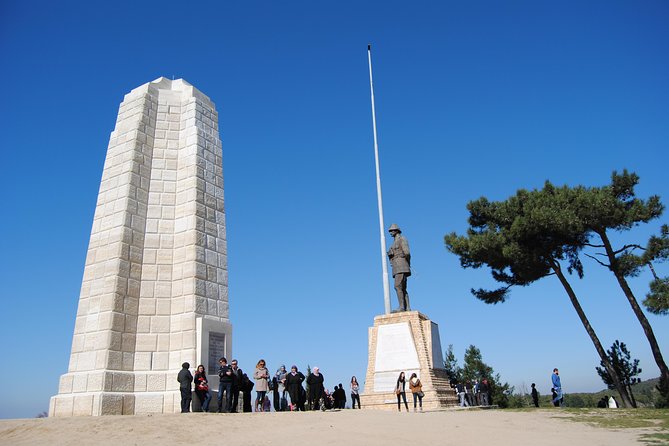
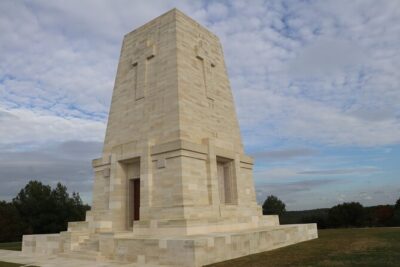
The memorial sites are where the day becomes most reflective. You visit Ari Burnu, Beach Cemetery, Lone Pine Cemetery, the Turkish Memorial, and Chunuk-Bair.
The cemeteries are carefully maintained places, but the power comes from the names and ages of the dead rather than from appearance. You may find the experience especially moving if you have family ties to Australia, New Zealand, Turkey, or military history. Even without those connections, the concentration of graves makes the scale of the campaign hard to ignore.
Lone Pine is one of the best-known Allied cemetery sites on the peninsula. The Turkish Memorial provides a necessary balance, reminding you that this was not a one-sided tragedy. Young men from opposing armies died within the same small area and now rest near one another.
Ari Burnu and Beach Cemetery add another layer to the visit. The names of beaches and burial grounds can sound straightforward, but on site they carry a heavier meaning. This is not a stop for quick photographs and a hurried commentary.
I appreciate that the schedule includes several memorials rather than only military viewpoints. Battlefields can become too abstract when you see only trenches or open ground. Cemeteries bring the human cost back into focus.
Is the $250 price good value?
At $250 per person, this is not a bargain day trip. The value depends on what you would otherwise need to arrange yourself.
The price includes a local English-speaking guide, round-trip shared transport, an air-conditioned minivan, the ferry ride, entrance fees, and lunch. It also connects Troy and Gallipoli in one organized day, with no need to work out separate transport between the archaeological site, Canakkale, and the peninsula.
That package can make sense if you want a full explanation at both places. A rented car or separate taxis might give you more freedom, but you would need to handle directions, timing, site access, and the complicated geography around Gallipoli. You would also lose the shared interpretation that gives Troy and the battlefield stops their meaning.
The price is less attractive if you prefer to travel slowly or spend hours at one site. The schedule covers a lot of ground in about 10 hours, so you are paying for access and organization as much as for sightseeing time.
Group discounts may be available, which could improve the value if you are traveling with family or friends. The maximum group size of 15 is another point in its favor, especially compared with a full-size bus tour.
Who should book this Canakkale tour?
I would choose this tour if you have only one day for the region and want the two major historical experiences presented together. It is especially suitable for first-time visitors who want a guide to explain what they are seeing.
It also works well for history lovers, readers of Homer, people interested in archaeology, and anyone with a connection to the Gallipoli campaign. The day has enough variety to hold your attention, but it remains firmly focused on the past.
Families can participate, and children must be accompanied by an adult. Most people can take part, and service animals are allowed. Still, the emotional weight of the cemeteries and the long schedule may not suit very young children.
You should think twice if you dislike fixed itineraries, shared transport, or solemn memorial visits. The tour is not designed for a lazy day by the water. It is a concentrated history outing with a fair amount of driving and several serious stops.
The experience receives a 4.9 rating from 33 reviews, with 100 percent recommending it. That high approval matches the tour’s strongest features: an engaging guide, a well-planned route, and a memorable shift from Troy’s ancient layers to Gallipoli’s modern graves.
Practical details before you book
Confirmation is provided when you book. The tour starts at 8:30 am and ends at the original meeting point in Canakkale.
The activity requires good weather. If poor weather forces a cancellation, you are offered another date or a full refund. It also requires a minimum number of participants, so a cancellation for that reason brings the same choice of another date or experience, or a full refund.
The standard cancellation rule is strict: the booking is non-refundable and cannot be changed for any reason. Check your dates carefully before paying, especially because the tour is often booked well ahead, with an average booking lead time of 53 days.
Should you book Troy and Gallipoli?
Book it if you want the clearest, most efficient introduction to both sites from Canakkale. The guide, included transport, lunch, ferry, and entry fees remove much of the day’s planning, while the small group keeps the experience reasonably personal.
Skip it if your priority is slow archaeology, independent travel, or a short outing. Troy and Gallipoli need more than a few hours each for close study, but this tour gives you the essential places and the stories that make them matter. For one demanding but rewarding day, it is a strong choice.
FAQ
Where does the tour start?
The tour starts at Anzac House Youth Hostel, Kemalpaşa, Cumhuriyet Boulevard No. 59, in central Canakkale.
What time does the tour begin?
The scheduled start time is 8:30 am.
Where does the tour end?
The tour ends back at the original meeting point in Canakkale.
How long does the experience last?
The tour lasts approximately 10 hours.
Is hotel pickup included?
No. Hotel pickup and drop-off are not included, so you need to reach the meeting point yourself.
Is lunch included?
Yes. Lunch in Canakkale is included. Drinks are not included.
What language is the tour offered in?
The tour is offered in English with a local guide.
How many people can join the tour?
The tour has a maximum of 15 participants.
Can the tour be canceled because of weather?
Yes. The experience requires good weather. If it is canceled because of poor weather, you are offered a different date or a full refund.
Just added around Turkiye
- Full Day Cappadocia Highlights Private Tour (Car and Guide )★ 5.0 · 61 reviews
- Cappadocia Sunrise Camel Safari★ 4.5 · 28 reviews
- Cappadocia South Tour (Pro Guide, Tickets, Lunch, Transfer incl)★ 5.0 · 208 reviews
- Cappadocia Romantic Dinner İn The Valley with Concept★ 4.5 · 17 reviews
- Cappadocia Shared Transfer From/To Kayseri or Nevşehir Airport★ 4.5 · 64 reviews
- Cappadocia Red Tour (with zelve Open Air Museum and Paşabağ)★ 5.0 · 50 reviews
- Red (North) Tour Cappadocia (small group) with lunch and ticket★ 5.0 · 173 reviews
- Full day Cappadocia red tour with lunch★ 5.0 · 62 reviews
Canakkale Tours, compared.
Gallipoli ANZAC Battlefields Tour from Canakkale
Read our review →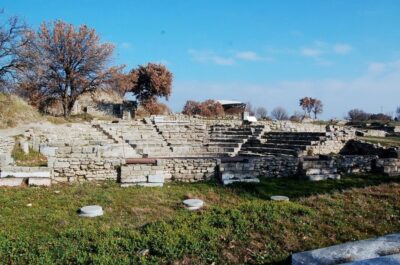
Full Day Troy & Gallipoli Tour ( From Canakkale )
Read our review →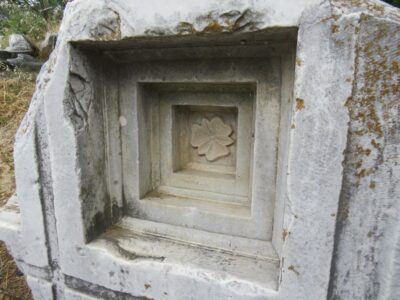
Browse the lists this tour appears in