
Reviewed · CANAKKALE TOURS
Gallipoli ANZAC Battlefields Tour from Canakkale
Gallipoli is not a place you simply check off with a few photographs. The ground is quiet now, but the short distances between ANZAC Cove, Lone Pine, the Nek, and Chunuk Bair reveal how fierce the 1915 campaign was. This tour gives you a useful full-day introduction, with a ferry crossing, lunch, and several important sites in one well-organized outing.
I especially like the small maximum group of 15 and the quality of the guiding. Guides including Ercan Yavuz, Adem, and Apo are praised for explaining military movements, individual soldiers, and Turkish, Australian, and New Zealand viewpoints. I also like that lunch is included at Maydos Restaurant, so you do not lose time searching for food during a tightly planned afternoon.
The main consideration is pace. You cover a lot in roughly six to seven hours, and each stop carries emotional and historical weight. If Gallipoli is a major reason for your visit, a two-day option may give you more time to absorb the sites. Also note that the tour is non-refundable unless the operator cancels it for poor weather or insufficient numbers.
In This Review
- Key points to know before booking
- Why the Dardanelles crossing matters
- Lunch at Maydos before the battlefield route
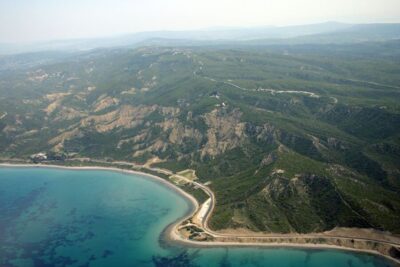
- Brighton Beach and the first view of ANZAC Cove
- Beach Cemetery and the human cost of the landing
- Ari Burnu Cemetery and the northern end of the cove
- Lone Pine and the Australian Memorial
- Johnston’s Jolly and the surviving trench positions
- The 57th Regiment Turkish Memorial
- The Nek and the scene recalled in film
- Chunuk Bair and the New Zealand connection
- What the $140 price includes
- Who will get the most from this tour
- Should you book the Gallipoli battlefield tour?
- FAQ
- How long does the Gallipoli ANZAC Battlefields Tour take?
- What time does the tour start?
- Where does the tour begin?
- Is hotel pickup available?
- Is lunch included?
- Is a vegetarian meal available?
- How many people are in the group?
- Can I cancel the tour for a refund?
Key points to know before booking
- The Kilitbahir ferry begins the experience: You cross the Dardanelles by car ferry before reaching the battlefield area.
- Lunch comes before the main sightseeing: A Turkish-style meal at Maydos Restaurant gives you a practical break before the afternoon route.
- You visit more than six major sites: The route includes Brighton Beach, Beach Cemetery, Ari Burnu Cemetery, Lone Pine, Johnston’s Jolly, the 57th Regiment Memorial, the Nek, and Chunuk Bair.
- The group is capped at 15 people: That makes it easier to ask questions and hear the guide at outdoor stops.
- The guiding is the strongest feature: Ercan Yavuz, Adem, and Apo are among the guides praised for clear explanations and personal stories.
- The tour is best for a first visit: You see the key ANZAC and Turkish positions in one afternoon, though the schedule leaves limited time at each place.
Why the Dardanelles crossing matters
The tour starts near central Canakkale at 11:20 am, with departure listed at 11:45 am. From there, you head toward Kilitbahir and cross the Dardanelles by car ferry. This is more than a useful transport step. The waterway was the reason the Gallipoli campaign mattered in the first place, so crossing it gives the day a strong sense of place before you reach the memorials.
You travel in an air-conditioned coach once you are on the Gallipoli side. That matters in this region, where the weather can make an exposed afternoon tiring. Hotel pickup and drop-off are available from selected hotels, but the stated meeting point is Hassle Free Travel at Kemalpaşa, Cumhuriyet Blv. No:59 in central Canakkale. Confirm your pickup arrangement and departure time before the day, since times can change with the season or weather.
The ferry is also a good moment to set your expectations. This is not a museum tour with glass cases and long indoor explanations. Much of the day takes place outdoors, along roads and open ground, with the guide helping you connect present-day views to the positions held by opposing forces.
Other Turkiye days worth putting on the list:
- Istanbul: Bosphorus Dinner Cruise & Show with Private Table
★ 4.8 · 44,561 reviews - Istanbul: Daytime or Sunset Sightseeing Cruise & Audio Guide
★ 4.8 · 14,430 reviews - Istanbul: Bosphorus Dinner Cruise with Turkish Night Show
★ 4.8 · 10,127 reviews
Lunch at Maydos before the battlefield route
Before the battlefield visits, the group stops at Maydos Restaurant & Bar for lunch. The meal is included, while drinks are not, so bring some Turkish lira or another payment method for anything you want to order separately.
I like this arrangement because it places lunch at a sensible point in the schedule. You eat before the main walking and standing begins, rather than trying to squeeze food into a short gap between memorials. The meal is Turkish-style cuisine, and the food receives particularly warm praise, so this is more than a token sandwich stop.
A vegetarian option is available, but you need to request it when booking. Do not wait until the day itself if you have dietary needs. Since the tour has a set route and limited time, early notice is the sensible approach.
Lunch also gives you a brief pause before the difficult material begins. The sites that follow include cemeteries and memorials connected to large numbers of deaths, so having a proper meal first makes the afternoon physically easier.
Brighton Beach and the first view of ANZAC Cove
The first battlefield stop is Brighton Beach, the intended landing place for the ANZAC force. Weather permitting, you may be able to swim here, although swimming should be treated as an optional extra rather than a central part of the tour.
The value of Brighton Beach is its geography. You can begin to see how much depended on landing close to the water and then moving inland under fire. The beach itself may look calm, which can make the guide’s explanation especially important. You need the historical context to understand why this ordinary-looking shoreline became such a crucial part of the campaign.
This is also where the tour begins to show its main strength and limitation. The guide can explain the intended movements and battlefield decisions, but you will be seeing several sites during one afternoon. Take a moment to look around before moving on, especially if this is your only Gallipoli visit.
Beach Cemetery and the human cost of the landing
Beach Cemetery sits at the southern end of ANZAC Cove, close to the landing area used by the first wave of ANZAC troops. The campaign eventually brought up to 30,000 troops into the cove, and the cemetery offers a more personal counterpoint to those large numbers.
John Simpson Kirkpatrick, remembered for carrying wounded men with his donkey, is buried here. His grave gives the guide an opportunity to move from broad military plans to an individual story. That change of scale is important. Gallipoli can otherwise become a sequence of troop movements, dates, and place names.
Expect the mood to change here. This is an active cemetery and memorial site, not simply a scenic stop. A respectful pace is appropriate, and you may want to keep photographs limited to the surroundings rather than treating the graves as ordinary sightseeing subjects.
Same city, a completely different kind of day:
- Best of Istanbul 1, 2 or 3-Day Private Guided Istanbul Tour
★ 5.0 · 8,922 reviews - FOR CRUISERS: Skip The Lines PRIVATE EPHESUS TOUR &On Time Return
★ 5.0 · 8,527 reviews - Istanbul: Basilica Cistern Fast-Track Entry and Audio Guide
★ 4.6 · 7,521 reviews - Top Choice For Cruisers: Ephesus, Mary’s House WITH TICKETS+LUNCH
★ 5.0 · 7,233 reviews
Ari Burnu Cemetery and the northern end of the cove
The route continues to Ari Burnu Cemetery at the northern end of ANZAC Cove. Seeing both ends of the cove helps you understand the compact area in which the landing and early fighting took place.
The stop is useful when paired with Beach Cemetery. Instead of viewing ANZAC Cove as one general location, you get a clearer sense of its shape and the positions around it. Your guide can connect the shoreline with the inland objectives that come next.
The tour does not give you a long, unstructured period at every cemetery. That is part of the tradeoff of a half-day battlefield route. You gain access to the main locations without arranging transport yourself, but you should listen closely and ask questions while the guide is with you.
Lone Pine and the Australian Memorial
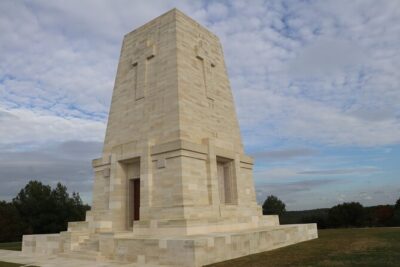
Lone Pine is one of the best-known Australian sites on the route. The memorial is located where Australian troops attacked and captured Turkish trenches. The position carries meaning for Australian history, but the tour also presents the Turkish side of the fighting rather than describing the site from one national viewpoint alone.
This balance is one of the reasons the experience works well for people who want more than a commemorative visit. Guides such as Ercan Yavuz are praised for covering the operations, key decisions, and the experiences of Australian, New Zealand, and Turkish forces. The strongest moments here are likely to come when the guide links the memorial to the trenches and the people who fought there.
You may find the memorial more formal than some of the smaller cemetery stops. That contrast helps show the different ways Gallipoli is remembered. It is not only an ANZAC story. The Turkish memorials later in the route make that clear.
Johnston’s Jolly and the surviving trench positions
At Johnston’s Jolly, you view Allied and Turkish trenches and tunnels. This is one of the most useful stops for understanding how close opposing positions could be during the campaign.
A battlefield map can make a battle seem neat and orderly. Trenches and tunnels give you a more physical sense of the conditions. You can see where forces held ground, where movement was restricted, and why small changes in position could matter so much.
The route is particularly valuable here if you ask specific questions. Guides are available to explain the operations and the decisions made on both sides, and the small group makes that easier than a large coach party. If you have read about Gallipoli before, ask the guide to clarify how the sites fit together rather than simply asking for more dates.
The 57th Regiment Turkish Memorial
The 57th Regiment Turkish Memorial brings the Turkish experience into the center of the visit. The tour is not limited to ANZAC remembrance. It also shows the positions and sacrifices of the Ottoman forces defending the peninsula.
That wider view is essential. Gallipoli has a strong place in Australian and New Zealand memory, but it is also a defining site in Turkish history. A good guide helps you hold both perspectives at once, without turning the day into a simple contest between national stories.
The memorial is especially useful for anyone who has learned about Gallipoli mainly through ANZAC commemorations. You will see that the same ground carries different meanings for the people connected to it. The guiding is at its best when it explains those connections with care and specific detail.
The Nek and the scene recalled in film
The Nek is included as the next major battlefield stop. It is also the site depicted in the film Gallipoli, making it familiar to some visitors before they arrive.
If you know the film, the guide can help separate the cinematic version from the real place and wider campaign. If you do not, the stop still matters because it shows how a small area could become associated with a major and costly assault.
The Nek is a good example of why a guide adds value here. Without explanation, it may look like another patch of open ground. With the battle context, the site becomes part of the connected route from the landing beaches to the inland positions.
Chunuk Bair and the New Zealand connection
The final listed battlefield stop is Chunuk Bair New Zealand. For New Zealand visitors, this may be the emotional high point of the day. The route also makes sense for anyone who wants to understand the campaign beyond the initial landing and cemetery sites.
The guide connects Chunuk Bair with the wider Allied attempt to gain the high ground. The stop gives the tour a strong ending because it moves you away from the beach and toward the positions that shaped the campaign inland.
One guide, Apo, is praised for sharing background stories about individual soldiers and his own research. That type of detail can make Chunuk Bair feel more personal, especially if you have come to Gallipoli for family, national, or commemorative reasons. Ask your guide about the people behind the military movements.
What the $140 price includes
At $140 per person, this is not the cheapest way to see Gallipoli, but the price covers several items that are useful in this setting: an English-speaking professional guide, lunch, air-conditioned transport, and hotel pickup and drop-off from selected hotels.
You are also paying for the route and the local logistics. Gallipoli’s sites are spread across the peninsula, and arranging a ferry crossing, meal, battlefield transport, and cemetery visits independently takes planning. The small group, capped at 15, adds value because you can ask questions without competing with a large crowd.
The best value comes if you have only one day for the peninsula and want the main ANZAC and Turkish sites explained in English. It is less suitable if you want long periods alone at each memorial or plan to study one particular battle in great depth. In that case, a two-day tour may be a better use of your time.
The tour is often booked about 24 days ahead, which suggests you should not leave it until the last minute if your Canakkale dates are fixed. The experience has a 4.9 rating from 90 reviews and is recommended by 100 percent of respondents, but the practical decision still depends on your available time and interest in military history.
Who will get the most from this tour
I would choose this tour for a first visit to Gallipoli, especially if you want the major sites without hiring a car or building your own route. It suits Australian and New Zealand visitors with a personal connection to ANZAC history, as well as anyone who wants a balanced account that includes Turkish memorials and positions.
It also works well for people who prefer a guide who can answer questions on the spot. The comments about Ercan Yavuz, Adem, and Apo repeatedly focus on their command of the subject, clear storytelling, and ability to add individual soldier stories to the larger account.
You should think twice if you dislike fixed schedules, outdoor sightseeing, or emotionally serious places. The tour lasts about six to seven hours, and you will move from stop to stop rather than setting your own pace. Good weather is required, so the operator may offer a different date or a full refund if conditions force a cancellation.
The tour is intended for most people, but expect a battlefield outing rather than a fully indoor attraction. Wear practical clothing and shoes, and be ready for time outside. That advice follows directly from the nature of the route, even though the supplied tour details do not specify a required dress code.
Should you book the Gallipoli battlefield tour?
Book it if you want the key Gallipoli sites in one carefully arranged day, with lunch, transport, ferry crossing, and a strong English-speaking guide included. The small group and the guides’ focus on both military operations and personal stories give the experience more substance than a quick drive past memorials.
Choose a longer tour instead if Gallipoli is central to your trip and you want time to reflect at each cemetery, trench, and memorial. For everyone else, this is a practical and meaningful first look at one of the First World War’s most important battlefields.
FAQ
How long does the Gallipoli ANZAC Battlefields Tour take?
The tour lasts approximately six to seven hours. The battlefield portion is listed as about five hours, with the ferry crossing, lunch, and transport included in the overall experience.
What time does the tour start?
The meeting time is listed as 11:20 am, with departure at approximately 11:45 am. Departure times can change by season or weather, so confirm the time with the operator.
Where does the tour begin?
The stated meeting point is Hassle Free Travel at Kemalpaşa, Cumhuriyet Blv. No:59, 17100 Çanakkale Merkez, Çanakkale, Türkiye.
Is hotel pickup available?
Hotel pickup and drop-off are included for selected hotels only. If your hotel is not covered, you should use the stated meeting point in central Canakkale.
Is lunch included?
Yes. Lunch at Maydos Restaurant & Bar is included. Drinks are not included.
Is a vegetarian meal available?
Yes. A vegetarian option is available, but you must advise the operator when booking.
How many people are in the group?
The group has a maximum of 15 travelers, creating a small-group setting for questions and discussion.
Can I cancel the tour for a refund?
The experience is normally non-refundable and cannot be changed after booking. If the operator cancels because of poor weather or an insufficient number of participants, you will be offered another date or experience, or a full refund.
Just added around Turkiye
- Full Day Cappadocia Highlights Private Tour (Car and Guide )★ 5.0 · 61 reviews
- Cappadocia Sunrise Camel Safari★ 4.5 · 28 reviews
- Cappadocia South Tour (Pro Guide, Tickets, Lunch, Transfer incl)★ 5.0 · 208 reviews
- Cappadocia Romantic Dinner İn The Valley with Concept★ 4.5 · 17 reviews
- Cappadocia Shared Transfer From/To Kayseri or Nevşehir Airport★ 4.5 · 64 reviews
- Cappadocia Red Tour (with zelve Open Air Museum and Paşabağ)★ 5.0 · 50 reviews
- Red (North) Tour Cappadocia (small group) with lunch and ticket★ 5.0 · 173 reviews
- Full day Cappadocia red tour with lunch★ 5.0 · 62 reviews
Canakkale Tours, compared.
Full Day Troy & Gallipoli Tour ( From Canakkale )
Read our review →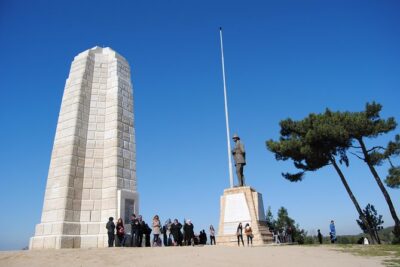
Browse the lists this tour appears in