Reviewed · ISTANBUL TOURS
Magic Explorer 13-Day Tour from Istanbul to Gobeklitepe Mt Nemrut
Turkey’s most striking story is how many eras fit into one trip. In 13 days, you move from Ottoman Istanbul and the battlefields of Gallipoli to Greek and Roman ruins, Silk Road towns, Cappadocia’s fairy chimneys, and the 11,000 to 13,000-year-old sanctuary at Göbekli Tepe. The eastern section, especially Mount Nemrut and Sanliurfa, gives this tour a reach that shorter Turkey circuits miss.
I like the way the trip combines famous sights with places that are harder to arrange on your own, especially Gallipoli, Mount Nemrut, and Göbekli Tepe. I also like the small maximum of 20 people, the included entrance fees, and the fact that guides such as Fatih Karci, Eda, Tamer, and Goksu have earned strong praise for clear explanations and careful organization. The tradeoff is mileage: several days run eight to eleven hours, and the road from Cappadocia to Mount Nemrut is a serious haul.
In This Review
- Key points at a glance
- Istanbul opens the trip with Ottoman grandeur
- Gallipoli and Troy add weight to the western route
- Ephesus and Pamukkale deliver the classic ruins
- Konya and Cappadocia change the mood
- Mount Nemrut rewards the longest transfer
- Sanliurfa, Harran, and Abraham’s Pool
- Göbekli Tepe puts prehistory first
- Halfeti and Zeugma close the eastern chapter
- What the $3,560.68 price covers
- How the group format affects the experience
- Who should book this Turkey tour?
- Should you book the Magic Explorer?
- FAQ
- How long is the Magic Explorer tour?
- Where does the tour begin and end?
- What is the maximum group size?
- Are airport transfers included?
- Are meals included?
- Is a domestic flight included?
- Are entrance fees included?
- Is the Bosphorus cruise included?
- Is the Cappadocia hot-air balloon ride included?
- What is not included in the price?
Key points at a glance
- Mount Nemrut at sunset: Climb to the Commagene royal tomb and giant seated statues as evening light reaches the summit.
- A rare eastern Turkey route: Sanliurfa, Harran, Halfeti, Zeugma, and Göbekli Tepe add depth beyond the usual western circuit.
- Strong guide-led sightseeing: Fatih Karci, Eda, Tamer, and Goksu are praised for history, organization, patience, and practical help.
- A useful mix of included costs: Twelve nights, breakfasts, nine dinners, entrance fees, transport, guides, and a domestic flight are covered.
- Long days require stamina: Gallipoli takes about 11 hours, while several other transfers and sightseeing days last eight or nine hours.
- A group capped at 20: You get more structure and company than on an independent trip, without the scale of a large coach tour.
Istanbul opens the trip with Ottoman grandeur
Your first day is deliberately light. An arrival transfer takes you to your hotel, then the rest of the day is free. That matters after an international flight, and you can use the time to walk around Beyoğlu or simply recover before the touring begins.
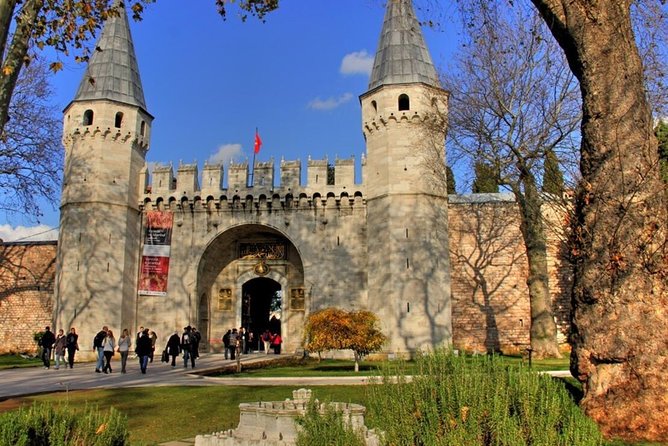
Day two packs Istanbul’s central sights into about eight hours. You visit the Blue Mosque, Hagia Sophia, Topkapi Palace, and the Hippodrome, four places that explain the city’s religious, imperial, and civic past better than any single museum could.
The guided format helps here. Topkapi is sprawling, and the history around Hagia Sophia can become confusing without a clear timeline. A good guide gives you a framework instead of leaving you to wander from room to room with only a brochure.
An optional half-day Bosphorus cruise is offered in the afternoon. It is not part of the included package, so budget separately if you want the boat ride. Still, the chance to pass between Europe and Asia is one of Istanbul’s most enjoyable experiences, especially when you want a break from monuments.
Other Istanbul days worth putting on the list:
- Istanbul: Bosphorus Dinner Cruise & Show with Private Table
★ 4.8 · 44,561 reviews - Istanbul: Daytime or Sunset Sightseeing Cruise & Audio Guide
★ 4.8 · 14,430 reviews - Istanbul: Bosphorus Dinner Cruise with Turkish Night Show
★ 4.8 · 10,127 reviews
Gallipoli and Troy add weight to the western route
Day three is the first demanding road day, lasting about 11 hours. At Gallipoli, you visit Lone Pine and Chunuk Bair memorials, ANZAC Cove, The Nek, Johnston’s Jolly, and surviving trenches and tunnels.
This is not a quick photo stop. The sites are spread across a large area, and the meaning of the peninsula comes from seeing the terrain as well as hearing the story. Your guide can connect the memorials, battle positions, and failed advances into a sequence that makes the campaign easier to understand.
The day can be especially meaningful around ANZAC commemorations, though the supplied schedule does not promise that event for every departure. Expect a sober visit, not a light sightseeing outing. Good walking shoes and water will help, and the length of the day is worth noting before you book.
On day four, the focus shifts to Troy. You explore the ancient site and the award-winning Troy Museum before continuing to Behramkale, an old village with stone houses, narrow lanes, views, and local cafés. The contrast is welcome: Troy supplies the legendary past, while Behramkale offers a glimpse of ordinary village life.
You then continue south to Kuşadası. The day lasts about eight hours, so the village visit is pleasant but not leisurely. You will have time to look around and perhaps stop for Turkish tea or coffee, but this is still a moving tour rather than a stay-put holiday.
Ephesus and Pamukkale deliver the classic ruins
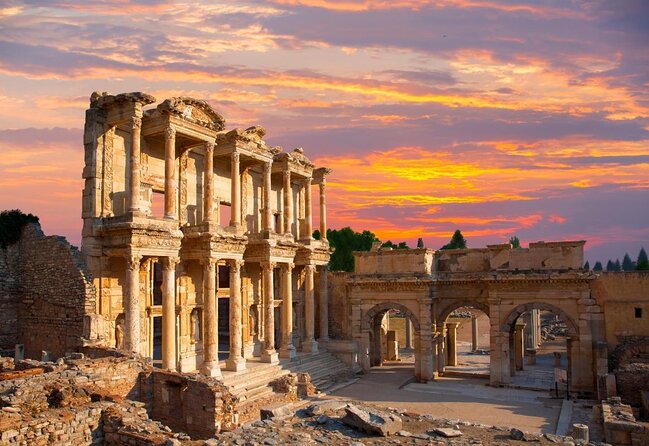
Ephesus is one of the strongest stops on the whole route. The city’s marble streets, theater, and monumental remains give you a vivid sense of a major ancient center. The guided visit also includes the Temple of Artemis site and the Ephesus Archaeology Museum.
The museum is worth taking seriously. It adds small finds and statues that help explain what daily life looked like beyond the grand avenue and theater. Without that extra context, Ephesus can become a parade of impressive stones. With it, the site feels more connected to the people who lived there.
Day five also includes a carpet village, where you learn how carpets are made by hand and what affects their value. Some people enjoy seeing the craft process; others may regard this as a commercial stop. Keep that distinction in mind if you prefer an archaeological program with no shopping-related visits.
Day six brings two different kinds of wonder at Pamukkale. First come the white calcium terraces, which look almost unreal from a distance. Then you explore Hierapolis, the ancient city built above the springs, with its Roman remains and long views across the plain.
The schedule allows about three hours for the travertines and another three for Hierapolis and Pamukkale. You can also take a dip in the hot springs among ancient columns. Ask about the current bathing arrangements on the day, since the practical details are not specified, and bring suitable footwear for wet or uneven surfaces.
Konya and Cappadocia change the mood
Day seven follows the old Silk Road toward Konya. Sultanhani Caravansary shows how merchants and caravans once found shelter along this long trade route, while the Mevlana Museum introduces one of Turkey’s best-known spiritual traditions.
The day takes about nine hours, so much of your experience comes through the window. That is not wasted time. The route links the western ruins to central Anatolia and gives the tour a broader sense of Turkey’s geography and past.
An optional Turkish folklore evening is offered. Since it is not included, treat it as an extra rather than a promised part of the program. It may suit you if you want music and traditional performance after a long day, but you may prefer an early night before Cappadocia.
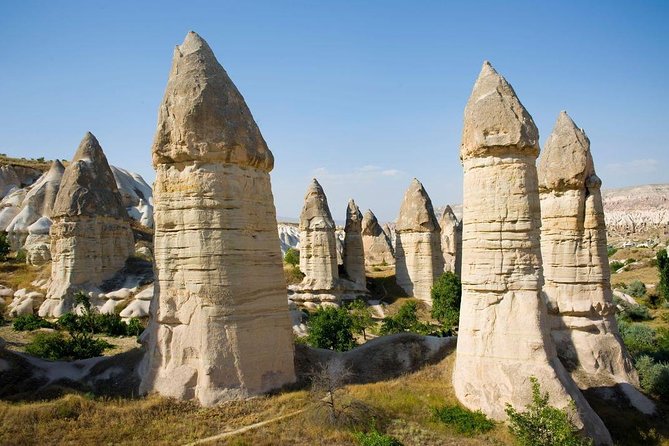
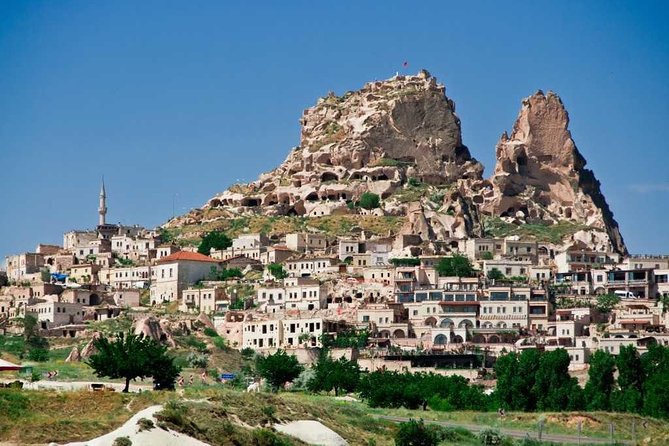
Day eight is devoted to Cappadocia. At the Göreme Open Air Museum, you see rock-cut churches and early religious art set among the region’s soft volcanic formations. The fairy chimneys and lunar-looking valleys make this one of the tour’s most visual days.
You also visit an underground city with many levels. The experience is more enclosed and physical than the open valleys, so anyone uneasy in tight spaces should ask the guide for details before entering. The scheduled sightseeing lasts about five hours, leaving some breathing room compared with the road-heavy days.
A hot-air balloon ride is not included in the stated package. It has been singled out as a top experience by past participants, but you should confirm availability, timing, and price directly before counting on it. The normal Cappadocia touring remains part of the schedule even without the balloon flight.
Same city, a completely different kind of day:
- Best of Istanbul 1, 2 or 3-Day Private Guided Istanbul Tour
★ 5.0 · 8,922 reviews - Istanbul: Basilica Cistern Fast-Track Entry and Audio Guide
★ 4.6 · 7,521 reviews - Istanbul: Hagia Sophia Skip-the-Line Ticket & Museum Option
★ 3.7 · 4,958 reviews - Istanbul: Hodjapasha Whirling Dervishes Show & Exhibition
★ 4.4 · 4,790 reviews
Mount Nemrut rewards the longest transfer
Day nine begins early as you leave Cappadocia for Adiyaman, passing through Kahramanmaras. The drive culminates at Mount Nemrut, where colossal stone heads and seated figures mark the tomb complex of Antiochos, ruler of the ancient Commagene kingdom.
The sunset setting is the point. You ascend to the tumulus and wait at the summit as the light changes across the statues. This is a powerful payoff after a full day on the road, but it is still important to be realistic: the drive is long, the visit involves an ascent, and the mountain can feel exposed.
The program lists about eight hours for the day, though the actual road experience may feel substantial because the route starts in Cappadocia and ends at the mountain. The exact accommodation pattern is not provided, so confirm where you sleep that night and how the next morning is arranged.
Sanliurfa, Harran, and Abraham’s Pool
Day ten takes you toward Sanliurfa by way of the Atatürk Dam and Harran. Harran is known for its unusual mud-brick houses and ancient walls, a sharp change from the stone ruins and coastal cities earlier in the trip.
In Sanliurfa, you visit the Holy Pools of Abraham and the cave believed to be his birthplace. These are places where belief, tradition, and local identity matter as much as archaeology. A respectful attitude is essential, especially around religious sites.
The day lasts about eight hours. It is another full schedule, but Sanliurfa gives the eastern portion a human feel. You are not only looking at old stones; you are seeing a living city shaped by religious memory and long regional connections.
Göbekli Tepe puts prehistory first
Day eleven is the intellectual centerpiece for many people. Göbekli Tepe contains monumental religious structures dating from roughly 11,000 to 13,000 years ago, before pottery, writing, Stonehenge, and the pyramids.
The importance is not simply its age. The site challenges the old assumption that settled farming communities had to come before large ceremonial buildings. Your guide can help make sense of why the carved pillars changed the way archaeologists think about early human society.
The day continues with the Haleplibahce Mosaic Museum, Kizilkoyun Necropolis, and Sanliurfa Archaeology Museum. That sequence works well because it places Göbekli Tepe within a larger regional story, from early ritual sites to later Roman and local cultures.
Allow about eight hours. The significance of Göbekli Tepe can be easy to miss if you rush, so use the guide’s explanations and take time with the carved details. This is one stop where the setting may look spare, but the ideas behind it are enormous.
Halfeti and Zeugma close the eastern chapter
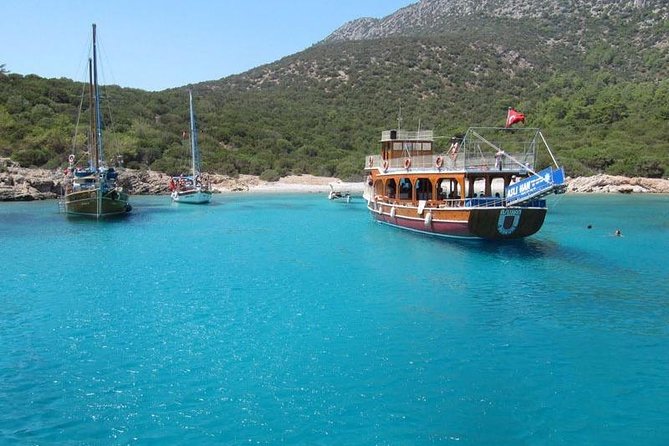
Day twelve drives toward Gaziantep and includes a boat trip at Halfeti. The water covers part of the old settlement, creating the unusual sight of a sunken city beneath the surface. It is a calm contrast to the stone-heavy sites from earlier days.
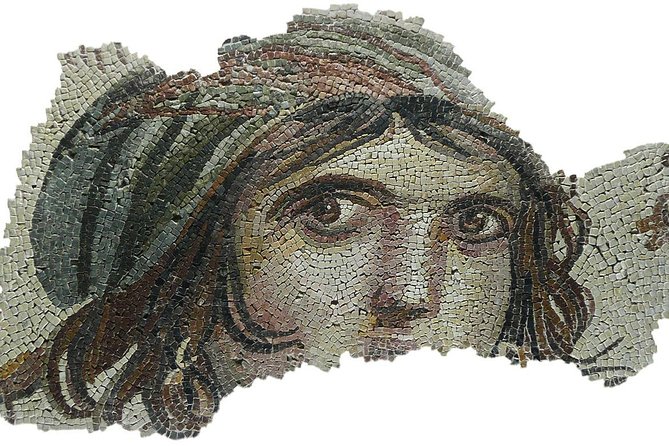
The Zeugma Mosaic Museum then brings Roman-era art indoors. Its mosaics were recovered from the submerged city of Zeugma and offer close views of craftsmanship that can be hard to appreciate at outdoor ruins.
The day ends with a flight back to Istanbul. The schedule lists about eight hours, so expect a final busy day rather than a slow farewell. The domestic flight is a practical inclusion because it avoids another long overland return.
Day thirteen is simple. After breakfast, you are transferred to the airport for your onward flight. The trip begins and ends in Istanbul, which makes it easier to add your own extra nights before or after the organized program.
What the $3,560.68 price covers
At $3,560.68 per person, this is not a bargain-basement group tour. The value comes from what the price gathers into one package: 12 nights of accommodation, daily breakfast, nine dinners, entrance fees, a fully air-conditioned non-smoking vehicle, an English-speaking guide, airport transfers in Istanbul, and a domestic flight.
You are also paying for route design. Connecting Istanbul, Gallipoli, Troy, Ephesus, Pamukkale, Cappadocia, Mount Nemrut, Göbekli Tepe, Sanliurfa, Halfeti, and Gaziantep independently would require careful timing, multiple hotel bookings, private transfers, and research into eastern Turkey.
The price does not include compulsory travel insurance, guide and driver tips, or optional activities. The Bosphorus cruise, folklore evening, and Cappadocia balloon ride should be treated as extras. Group discounts are offered, but the available details do not state the discount amount.
Accommodation is described as boutique and 4-star, but individual hotels are not named. If hotel style or location matters greatly to you, ask for the property list before booking. Nine included dinners reduce daily planning, though they also mean fewer evenings completely free to choose your own restaurant.
How the group format affects the experience
The maximum group size is 20, and that is a useful middle ground. You have company and a guide throughout the route, but the group should be easier to manage than a large coach party.
The quality of the guide matters enormously on a program with this much history. Fatih Karci receives praise for his command of Turkey’s past and his personal care. Eda is praised for explaining details clearly to a small group of six. Tamer is repeatedly described as organized, patient, helpful, and entertaining, while Goksu is noted for clear English and attention to rest and toilet breaks.
Guides can change by departure, so do not assume one particular person will lead your trip. Still, the repeated emphasis on organization and explanation is encouraging. A careful guide is especially useful on Gallipoli, Ephesus, Göbekli Tepe, and Mount Nemrut, where context changes what you see.
The driver also matters on these long roads. Hasan and Murat receive specific praise for safe, cautious driving. Tips for both driver and guide are not included, so plan for that added cost.
Who should book this Turkey tour?
I would choose this program if you want a strong historical framework, prefer organized transport, and like the idea of seeing eastern Turkey without handling every connection yourself. It suits first-time visitors who want the major western sights but do not want to stop at Istanbul, Ephesus, and Cappadocia alone.
It is particularly good for people interested in archaeology, ancient civilizations, military history, religious traditions, and changing regional cultures. The mix is broad: Ottoman Istanbul, World War I Gallipoli, Bronze Age Troy, Greek and Roman sites, Seljuk and spiritual traditions, prehistoric Göbekli Tepe, and the Commagene kingdom.
I would hesitate if you want long stays in each place, flexible meal choices, or quiet mornings. Gallipoli, Konya, Mount Nemrut, and the eastern route create several demanding days. August can also be very hot, so travelers who struggle in high heat should consider the season carefully.
The tour is described as suitable for most participants, but the information does not provide detailed accessibility notes. Ask about walking surfaces, the Mount Nemrut ascent, underground-city passages, and bathing access at Pamukkale if any of those could affect you.
Booking is non-refundable and cannot be changed for personal reasons. Poor weather or failure to reach the minimum group size can lead to a different date, another experience, or a full refund. Confirmation is normally immediate, but bookings made within nine days of departure may take up to 48 hours and remain subject to availability.
Should you book the Magic Explorer?
Book it if you want Turkey in large, satisfying portions rather than a relaxed regional holiday. The strongest reasons are the eastern route, the included logistics, the small group limit, and the combination of Mount Nemrut and Göbekli Tepe with better-known sites such as Ephesus and Cappadocia.
Think twice if the thought of repeated eight to eleven-hour days makes you tired just reading about them. This is a serious sightseeing journey, but for an archaeology-minded visitor who values a capable guide and does not want to arrange Turkey’s difficult overland connections alone, the price can be justified.
FAQ
How long is the Magic Explorer tour?
The tour lasts approximately 13 days and includes 12 nights of accommodation.
Where does the tour begin and end?
It begins in Istanbul and concludes with a transfer to the airport in Istanbul for your onward flight. The listed starting point is in Kılıçali Paşa, Beyoğlu, Istanbul.
What is the maximum group size?
The group can include a maximum of 20 travelers.
Are airport transfers included?
Yes. An inbound Istanbul transfer and an outbound Istanbul transfer are included.
Are meals included?
Breakfast is included for all 12 mornings, and nine dinners are included. Other meals are not listed as included.
Is a domestic flight included?
Yes. A flight from Gaziantep back to Istanbul is included on day twelve.
Are entrance fees included?
Yes. The tour includes entrance fees for the listed included sites, including Troy, Ephesus, Pamukkale, Hierapolis, Göreme Open Air Museum, Mount Nemrut, Göbekli Tepe, and the Zeugma Mosaic Museum.
Is the Bosphorus cruise included?
No. The half-day Bosphorus cruise is listed as an optional activity.
Is the Cappadocia hot-air balloon ride included?
No. The stated inclusions do not include a hot-air balloon ride.
What is not included in the price?
Compulsory travel insurance, tips for the driver and guide, and suggested optional activities are not included.
Just added around Istanbul
- Whirling Dervish Ceremony★ 4.5 · 35 reviews
- Istanbul:Whirling Dervish Ceremony, Mystical Sufi Experience★ 4.1 · 17 reviews
- Turkish Dance Show at Hodjapasha Cultural Centre in Istanbul★ 4.7 · 56 reviews
- Turkish Tapas – Meze Cooking for Beginners in Istanbul★ 4.5 · 16 reviews
- Istanbul Sultanahmet Turkish Bath Sultan Suleyman Bath★ 3.7 · 38 reviews
- Turkish Marbling Paper Ebru Art Workshop★ 5.0 · 44 reviews
- Turkish and Islamic Arts Museum: Entry Ticket & Audio Guide★ 4.2 · 19 reviews
- Flying Dress Photography on an Iconic Rooftop in Istanbul★ 5.0 · 87 reviews
Istanbul Tours, compared.

Bosphorus Dinner Cruise & Show with Private Table
Read our review →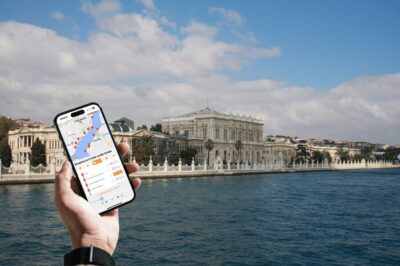
Daytime or Sunset Sightseeing Cruise & Audio Guide
Read our review →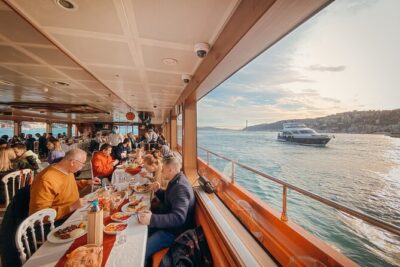
Bosphorus Dinner Cruise with Turkish Night Show
Read our review →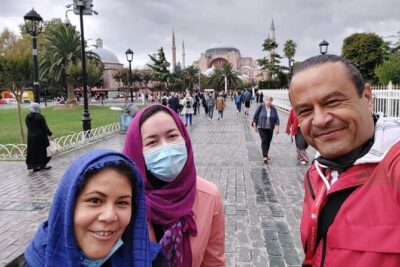
Best of Istanbul 1, 2 or 3-Day Private Guided Istanbul Tour
Read our review →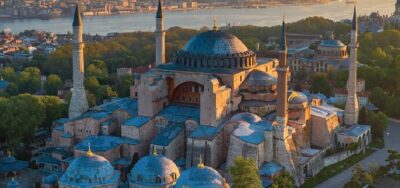
Hagia Sophia Skip-the-Line Ticket & Museum Option
Read our review →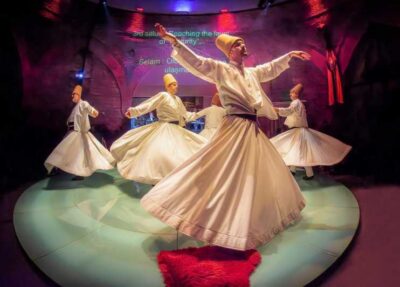
Hodjapasha Whirling Dervishes Show & Exhibition
Read our review →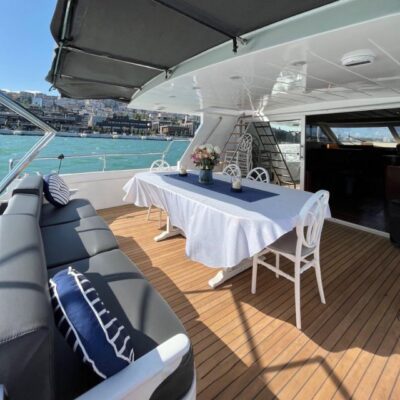
Sunset or Day Small-Group Yacht Cruise with Snacks
Read our review →