
Reviewed · WHIRLING DERVISH SHOWS
Istanbul: Whirling Dervish Ceremony next to Hagia Sophia
The striking thing here is that you are not watching a flashy stage act. You are sitting quietly through a Sufi prayer ceremony, with local dervishes turning to the sound of instruments whose music reaches back to the 15th century. The setting, a traditional wooden house beside Hagia Sophia, gives the evening a strong sense of place.
I like the short introduction before the Sema, which explains Rumi, Sufi practice, and the meaning of the gestures. I also like that ticket income supports scholarships through the arts center, giving this modestly priced experience a useful purpose beyond sightseeing.
The main consideration is pace. The ceremony lasts about 55 minutes and is slow, quiet, and serious. If you expect an energetic folkloric show, you may find it too restrained. Sound during the introduction can also be uneven, and one guide was reported to speak too quickly.
In This Review
- Key points to know
- What the 55-minute Sema ceremony is really like
- Entering the wooden house beside Hagia Sophia
- The introduction gives the ritual a frame
- Strings, drums, and the haunting sound of the ney
- The dervishes turn slowly, then the room changes
- A local drink and a useful social touch
- Why the $17 price makes sense
- Timing, access, and small practical details
- How to prepare for a more meaningful visit
- Who should book this experience
- Should you book the Whirling Dervish ceremony?
- FAQ
- How long does the Whirling Dervish ceremony last?
- How much does the experience cost?
- Where is the meeting point?
- When does the venue open?
- Is the ceremony performed in English?
- Is a drink included?
- Is the venue wheelchair accessible?
- Are children allowed?
- Can I cancel for a refund?
Key points to know
- A genuine Sufi ceremony: Local followers perform the Sema as a religious ritual, not simply as a staged dance.
- A prime Old Istanbul setting: The venue is next to Hagia Sophia and close to the Basilica Cistern meeting point.
- Music from another age: Strings, drums, and the ney flute accompany the ceremony with pieces composed from the 1400s to the early 1800s.
- Useful context before and after: An English-speaking host explains the ritual, with time for questions afterward.
- Tea or sherbet included: A small traditional drink is served as part of the ticket.
- Good value at $17: The price is low for a central Istanbul cultural experience, especially with live musicians and a drink included.
What the 55-minute Sema ceremony is really like
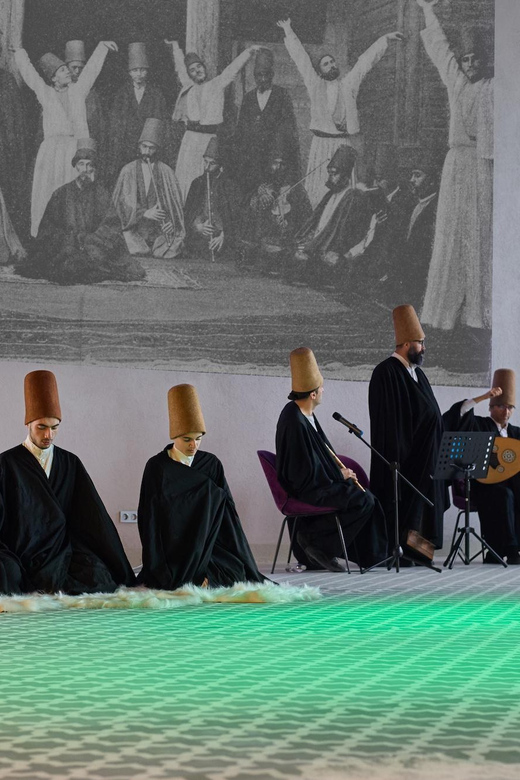
The Whirling Dervish ceremony, known as the Sema, is built around prayer, music, movement, and stillness. The turning is not presented as a trick or a test of balance. It symbolizes a spiritual journey toward divine love and unity, with the dervish letting go of the ego.
That distinction matters. You will get more from the ceremony if you treat it as a religious ritual with artistic elements, not as a theatrical dance show. The room becomes quiet, the musicians begin, and the repeated motion gradually creates a calm, meditative feeling.
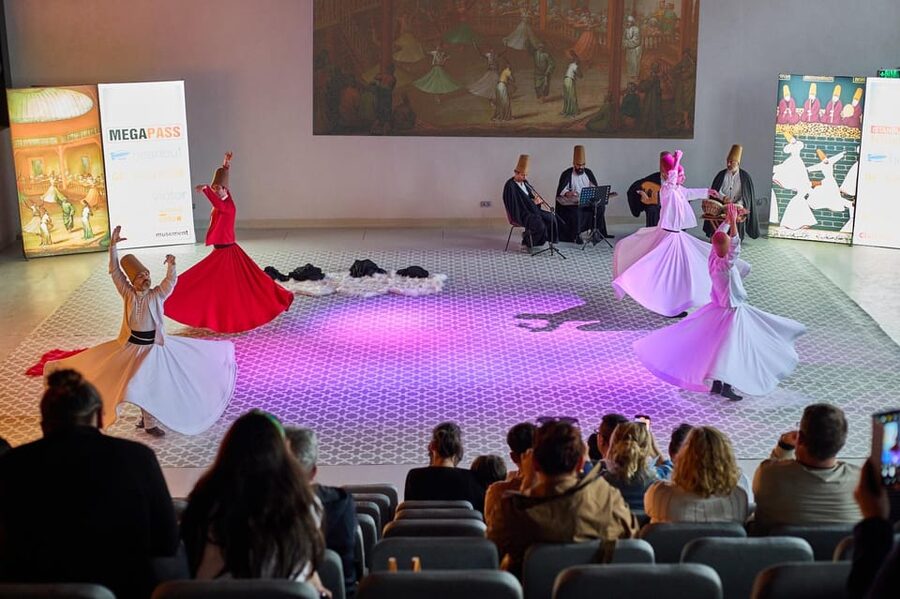
The ceremony has a deliberate rhythm. It does not rush to its most dramatic moment. The musicians set the mood first, then the dervishes enter with calm, measured movements. As the music develops, their turning becomes faster while their upper bodies remain composed.
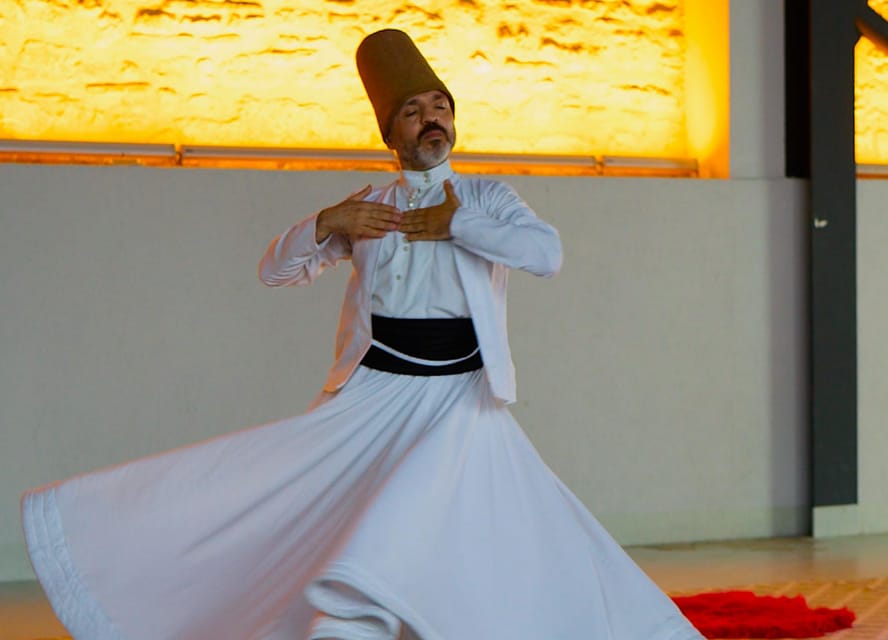
One familiar image is the raised hand and lowered hand. The raised hand receives blessing from above, while the lowered hand passes it toward the earth and other people. The gesture gives the turning a clear meaning: spiritual experience is not meant to end with the individual.
More Whirling Dervish Shows in Istanbul
- Istanbul: Hodjapasha Whirling Dervishes Show & Exhibition
★ 4.4 · 4,790 reviews - Istanbul: Whirling Dervishes Ceremony and Mevlevi Sema
★ 4.3 · 1,694 reviews - Istanbul Hodjapasha Whirling Dervishes Show & Exhibition
★ 4.0 · 503 reviews
Entering the wooden house beside Hagia Sophia
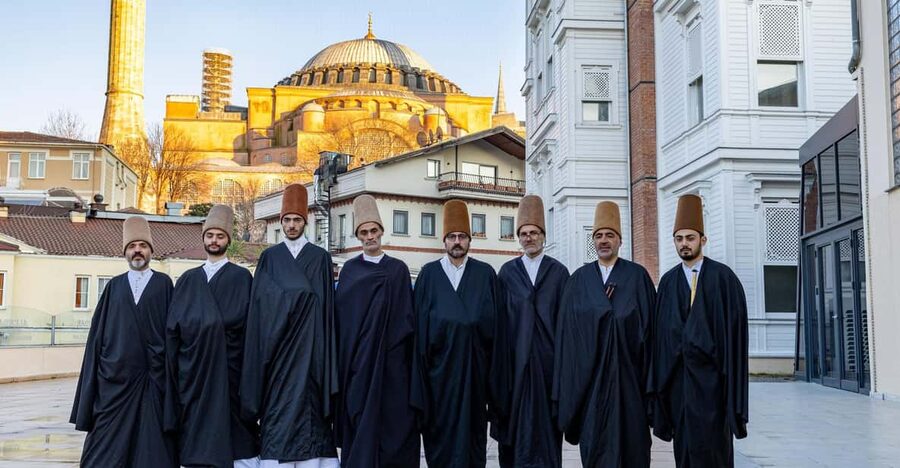
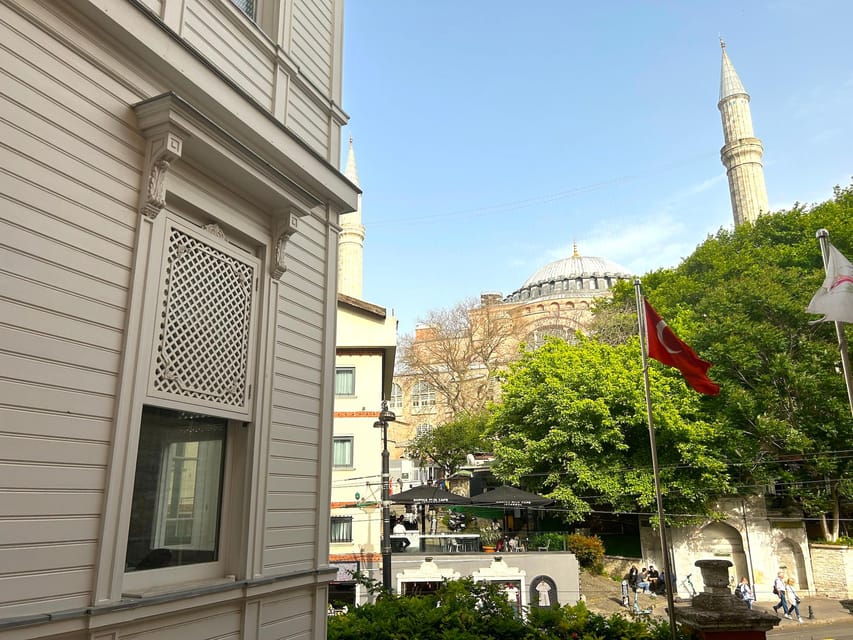
You meet the host next to the entrance of the Basilica Cistern. Look for the reception desk at the gate of the large white wooden house. The gate opens 30 minutes before the ceremony, so arriving early gives you time to find the correct entrance and settle down.
This meeting point is easy to pair with a visit to the Basilica Cistern, Hagia Sophia, or the Blue Mosque area. It is also worth checking your map carefully. A phone map has led some people to the wrong side of the road, which can be confusing when several historic buildings and large entrances crowd the same district.
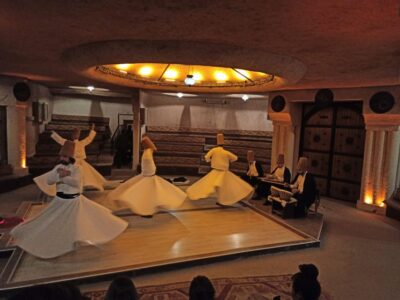
The arts center is part of the appeal. It feels less like a standard theater and more like a cultural space with a local purpose. The house itself is attractive, and the hall is arranged so you can see the ceremony from every seat. Comfortable seating is a useful detail during a quiet ritual, when shifting around becomes especially noticeable.
The room may feel busy before the start, particularly during popular evening times. Still, the arrangement is practical. You do not need to worry about fighting for a view once you are seated.
The introduction gives the ritual a frame
Before the musicians begin, an English-speaking host explains what you are about to see. This short talk covers the origins of the dervish tradition, the role of Sufism, and the broad meaning of the ritual.
I consider this explanation essential. Without it, the ceremony can look like a group of people spinning in robes while unfamiliar words are recited. With the background, the movements become easier to read. You understand why the dervishes bow, how the music guides the service, and why the turning is treated as prayer.
The host also answers questions after the ceremony. Kasl was singled out for being especially helpful, including when assisting a member of a wheelchair-using party. Other accounts describe the host as patient and clear, though sound quality is not perfect in every seat.
The introduction is delivered in English. A smart audio guide is also included in English, German, French, Italian, Russian, Spanish, and Arabic. This is useful if you want more background than the live talk provides, though it depends on having your phone available and ready to use.
For a little preparation, read a short account of Rumi and Shams Tabrizi before you go. Learn what the ney flute is and keep in mind the Sufi idea of releasing the self. You do not need to become a scholar, but a small amount of context will help you follow the ceremony rather than simply watch the movement.
Strings, drums, and the haunting sound of the ney
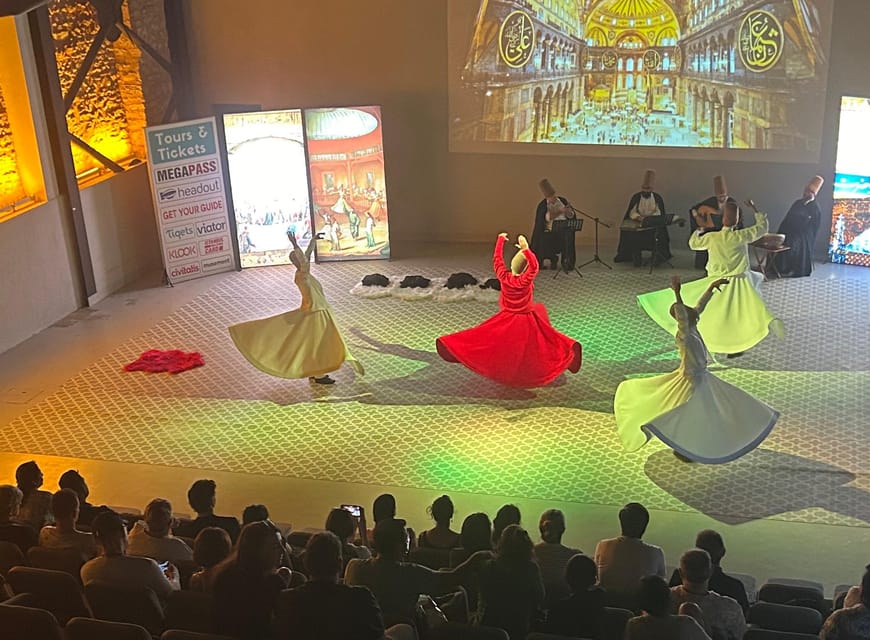
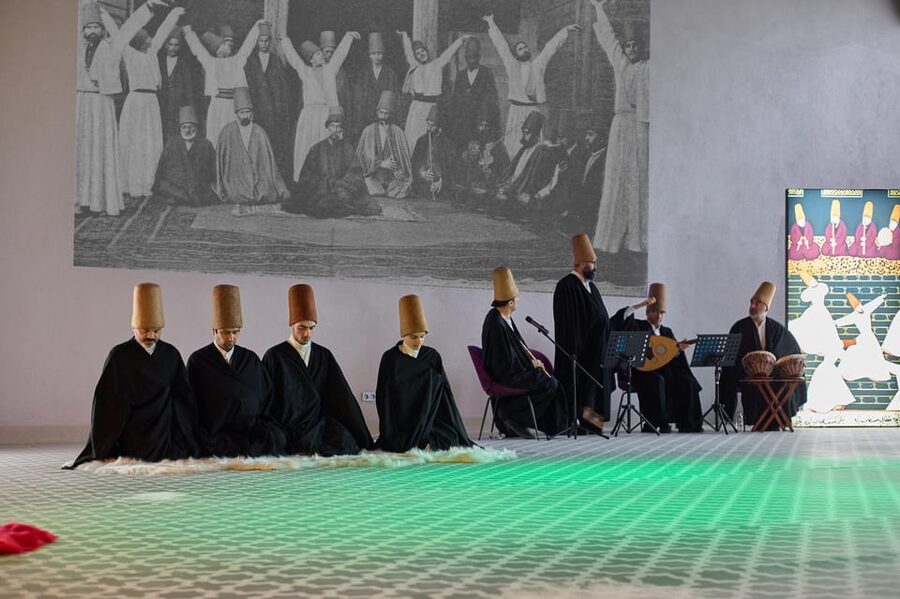
The music deserves as much attention as the turning. The opening section uses traditional instruments, including strings, drums, and flutes. The ney, a reed flute, has a breathy, human sound that fits the reflective mood of the Sema.
The musical pieces were composed between the 1400s and the early 1800s. That gives the ceremony a direct link to the musical world of earlier Ottoman and Sufi culture. You are not hearing a modern soundtrack written to make the ritual more exciting.
The musicians are a major part of the experience. Several people found the live music unexpectedly strong, especially because the ceremony is often described first as a dance. In practice, the music sets the pace, shapes the silence, and makes the repeated turning feel less like a visual spectacle.
There is one limit: English translations of the songs are not provided. The smart guide and spoken introduction explain the ceremony, but you will not understand every recited line. If the words matter most to you, this may leave a gap. If you can accept the vocals as part of the sound and ritual, the lack of translation is less troublesome.
More old city & historic peninsula tours in Istanbul:
- Istanbul: Basilica Cistern Fast-Track Entry and Audio Guide
★ 4.6 · 7,521 reviews - Istanbul: Hagia Sophia Skip-the-Line Ticket & Museum Option
★ 3.7 · 4,958 reviews - Istanbul: Topkapi Palace & Harem Museum Ticket & Audio Guide
★ 4.1 · 3,977 reviews - Istanbul: Blue Mosque & Hagia Sophia Guided Tour w/ Tickets
★ 4.8 · 3,600 reviews
The dervishes turn slowly, then the room changes
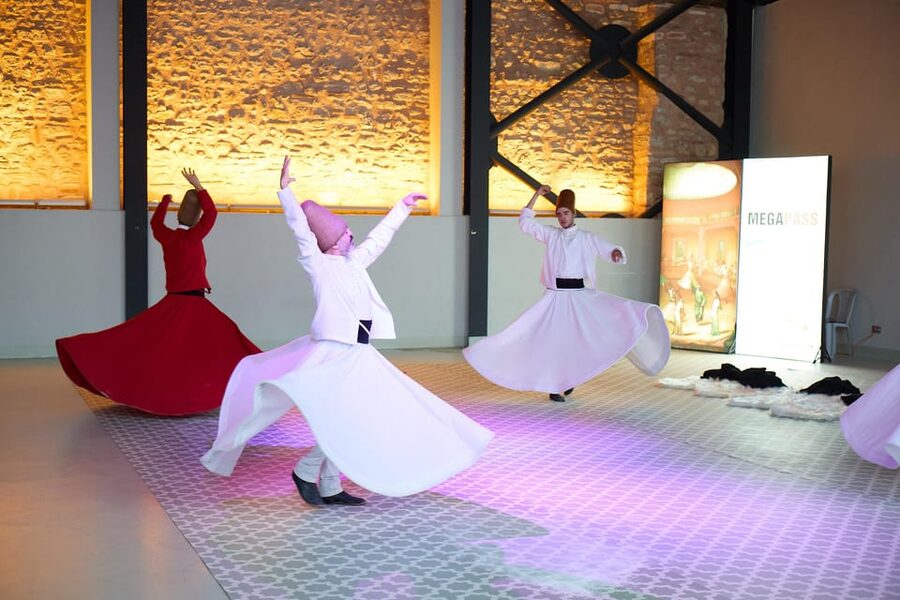
Once the prayers begin, the dervishes enter quietly. Their white robes and dark outer garments create a simple visual contrast, but the effect comes mainly from the steady repetition of the movement.
The ceremony can feel hypnotic, though that word should not make you expect a show built around spectacle. The mood grows slowly. The music, silence, and turning work together, and the room becomes more reflective as the ritual continues.
The performance may involve four dervishes, while one account described eight people taking part in the ceremony. The exact number can vary, but the central experience remains the same: local Sufi followers carry out a formal ritual with care and restraint.
You are expected to remain silent. Phones should stay away during the ceremony, even if photography and video are allowed. Using a phone can pull you out of the atmosphere and disturb the people around you. Visit the restroom before or after, since leaving during the ritual works against both the quiet and your own concentration.
The ceremony is not designed for children under two. Older children may attend, but you should consider their ability to sit quietly through a slow religious service. One family found it worthwhile with young children, though full-price tickets for children were viewed as less attractive.
A local drink and a useful social touch
Tea or sherbet is included with the ticket, along with water. The drink is generally served as you leave, adding a small Turkish touch to the end of the evening.
This is not a meal or a tasting session. Food and other drinks are not included, so plan to eat elsewhere. The drink works best as a simple closing gesture rather than a major part of the booking.
The post-ceremony questions are also worth staying for. They give you a chance to ask about the music, the symbols, the dervishes, or the relationship between Sufism and the ceremony. One visitor had to leave as the ceremony ended because it started late, missing this part, so allow enough time if the discussion matters to you.
Why the $17 price makes sense
At $17 per person, this is one of the more affordable cultural activities in the historic center. You receive admission, live traditional music, the Sema ceremony, an English explanation, a multilingual audio guide, water, and tea or sherbet.
The price is especially fair because the experience lasts close to an hour and takes place in a central location. You are not paying for transport, dinner, or a long guided tour, but those omissions also keep the cost clear and low.
The arts center’s scholarship work adds another point in its favor. Ticket income helps fund education through the center, so your purchase supports more than an evening’s entertainment. That purpose is not the reason to attend, but it makes the modest ticket price feel better directed.
Still, value depends on your interests. If you want a lively cultural show with costumes, dancing, and audience participation, spend your money elsewhere. If you want a quiet introduction to Sufi culture in the middle of Istanbul’s historic district, $17 is a strong deal.
Timing, access, and small practical details
The stated duration is 55 minutes. Check the available start times when booking, since the exact schedule is not supplied here. The gate opens 30 minutes before the ceremony, which gives you a sensible arrival window.
The venue is listed as wheelchair accessible. In practice, access may require staff assistance, so contact the provider in advance if someone in your party uses a wheelchair. Kasl helped one such group, but the arrangement was not entirely effortless.
There is no transport included. You make your own way to the white wooden house beside the Basilica Cistern. Because this is central Old Istanbul, allow extra time for finding the entrance, crossing busy streets, and getting through the surrounding historic district.
Cancellation is allowed up to 24 hours before the start for a full refund. You can also reserve and pay later, which is useful when your Istanbul schedule depends on museum hours, weather, or other timed visits.
The activity is led in English, while the digital guide offers seven languages: English, German, French, Italian, Russian, Spanish, and Arabic. The live talk may be harder to follow if the speaker talks quickly or if the sound system is weak, so the audio guide is a useful backup.
How to prepare for a more meaningful visit
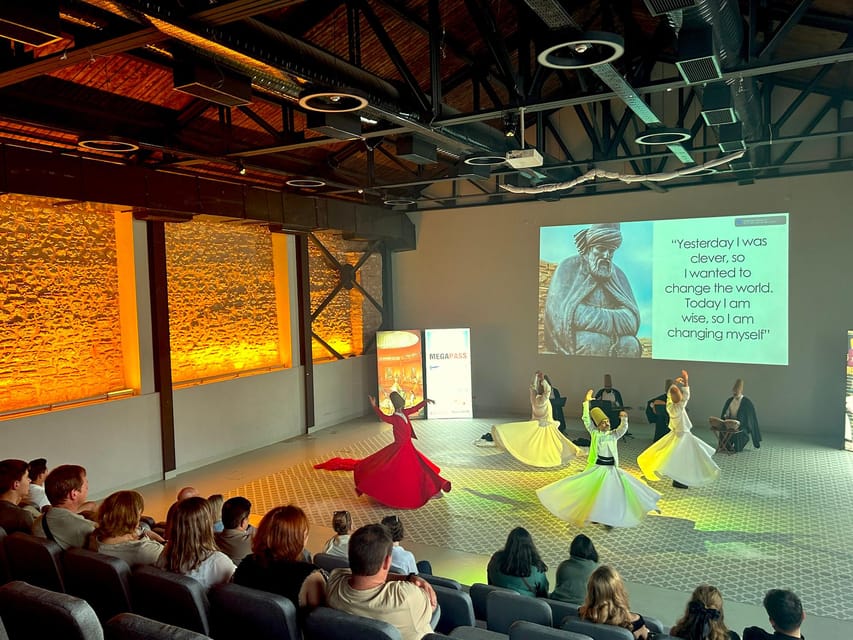
You do not need special clothing or prior knowledge, but your attitude matters. Treat the Sema as a sacred practice. Keep quiet, avoid phone use, and do not reduce the turning to dizziness or circus skill.
A little reading can make a large difference. Rumi, Shams Tabrizi, the ney flute, and the Sufi concept of letting go of the self all help explain the ceremony. The host supplies the basic framework, but preparation allows you to notice more of the symbols and music.
Arrive early enough to sit down calmly. The venue is attractive, and every seat is reported to have a good view, but early arrival removes the stress of map confusion or a last-minute entrance.
Do not plan another tightly timed activity immediately afterward. The ceremony itself is 55 minutes, and the closing questions may continue beyond the formal ending. If the event begins late, a narrow schedule could force you to leave before the final explanation.
Who should book this experience
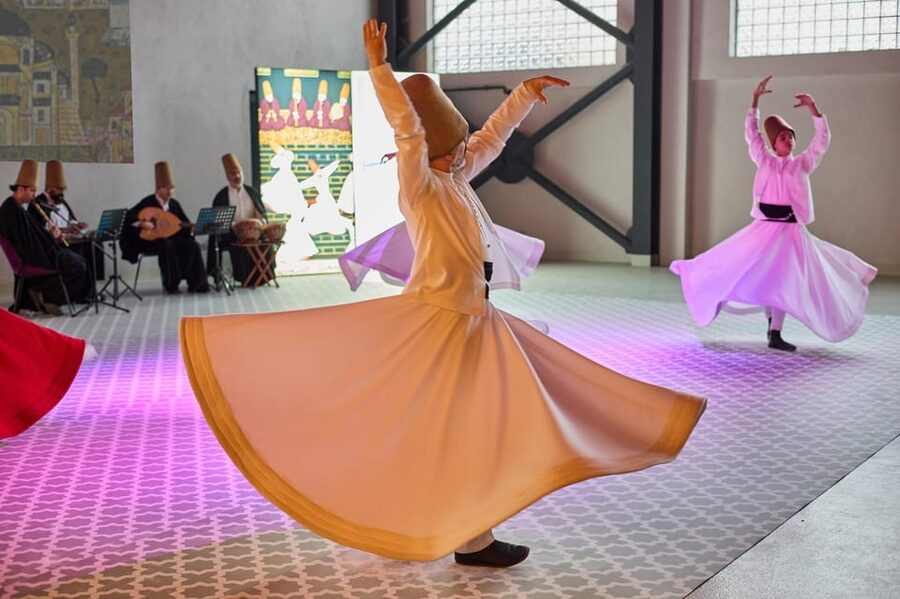
I would choose this for a first visit to Istanbul if you want something beyond mosques, palaces, and food stops. It gives you a window into a living religious and artistic tradition, and its location makes it easy to fit into a day around Hagia Sophia and the Basilica Cistern.
It suits adults, couples, solo visitors, and older children who can sit quietly. It is also a good choice for anyone interested in Ottoman-era music, Rumi, Islamic art, or contemplative experiences.
You should think twice if silence makes you uncomfortable or if you need constant action. The ceremony is intentionally slow. The music and turning build by repetition, not by surprise.
Photography may be allowed, but I would keep your phone in your pocket unless you are certain it will not distract you or the people nearby. The illuminated panels on either side of the hall can create harsh reflections in photographs, so this is better experienced with your eyes than through a screen.
Should you book the Whirling Dervish ceremony?
Book it if you want a sincere, low-cost cultural experience in the heart of Istanbul. The strongest parts are the local setting, live traditional music, clear background talk, and the calm force of the ceremony itself. The scholarship purpose of the arts center is an added reason to feel good about the purchase.
Skip it if you are looking for an entertaining dance performance, translated songs, or a fast-moving evening activity. The ceremony asks for patience and respect.
For most first-time visitors who can give 55 quiet minutes to the experience, I think it is worth booking. Read a little about Rumi first, arrive early, silence your phone, and stay for the questions if you can. That approach will help you see the Sema as more than spinning beside Hagia Sophia. It becomes a carefully held moment of music, prayer, and reflection.
FAQ
How long does the Whirling Dervish ceremony last?
The ceremony lasts 55 minutes.
How much does the experience cost?
The listed price is $17 per person.
Where is the meeting point?
Meet the host next to the entrance of the Basilica Cistern. The reception desk is at the gate of the large white wooden house.
When does the venue open?
The gate opens 30 minutes before the ceremony begins.
Is the ceremony performed in English?
The live activity includes an English-speaking guide. A smart audio guide is also available in English, German, French, Italian, Russian, Spanish, and Arabic.
Is a drink included?
Yes. Tea or sherbet and water are included. Food and other drinks are not included.
Is the venue wheelchair accessible?
The activity is listed as wheelchair accessible. Staff assistance may be needed, so contact the provider ahead of time if accessibility is important for your booking.
Are children allowed?
Children under two are not suitable for this activity. Older children may attend, but they must remain quiet during the ceremony.
Can I cancel for a refund?
You can cancel up to 24 hours in advance for a full refund. Reserve-now, pay-later booking is also available.
Just added around Istanbul
- Topkapi Palace&Harem-Guided Tour-Skip lines- All tickets inc★ 4.8 · 66 reviews
- Istanbul: Topkapi Palace Skip-the-Line Ticket & Guided Tour★ 4.2 · 178 reviews
- Istanbul Highlights Small-Group Walking Guided Tour★ 4.4 · 179 reviews
- Istanbul: Private Guided Food Tour with 10 Tastings★ 4.7 · 49 reviews
- Istanbul: Belly Dancing, Show, & Dinner at Sultana’s Ticket★ 3.8 · 71 reviews
- Istanbul: Private Local Food & Markets Experience★ 4.9 · 27 reviews
- Skip-the-Line Hagia Sophia Digital Tickets w/Audio Guide★ 4.3 · 23 reviews
- Istanbul: Guided Shopping Trip with Turkish Coffee Tasting★ 4.7 · 37 reviews
Whirling Dervish Shows, compared.
Hodjapasha Whirling Dervishes Show & Exhibition
Read our review →
Istanbul Hodjapasha Whirling Dervishes Show & Exhibition
Read our review →
Istanbul Traditional Turkish Dinner and Dervish Experience
Read our review →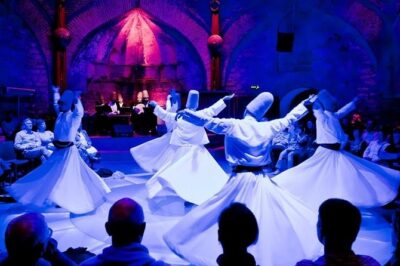
Traditional Turkish Dinner and Dervish Experience
Read our review →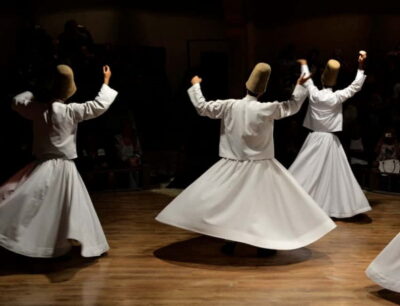
Whirling Dervishes Ceremony & Optional Transfer
Read our review →Browse the lists this tour appears in